










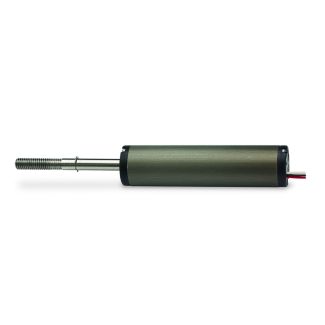
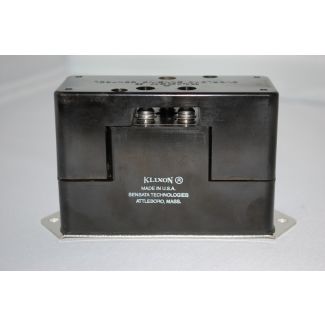


Sensors are electronic devices that detect, measure, or respond to physical changes such as temperature, motion, pressure, proximity, light, or fluid levels. Sensor sensing is integral to applications in industrial automation, electronics manufacturing, robotics, HVAC, automotive systems, and smart devices. There are a variety of sensor types available, utilizing different technologies to meet the operational requirements of an application or system.
What Are Sensors and How Do They Work?
Electronic sensors are devices designed to detect physical changes in their environment, such as heat, light, temperature, volume (fluid levels), pressure, and motion. When a change occurs, the sensing sensor responds by converting that physical input into an electrical signal. Sensor operation follows a process: detection, measurement of the change, and transmission of the signal to a display, controller, or connected system. From there, the data transmitted from the sensor can be monitored, analyzed, or used to trigger a response. A sensor helps systems and equipment operate more efficiently and reliably. Their use is essential to modern automation, real-time monitoring, safety and control systems, and smart electronics (like wearables).
Types of Sensors
Sensors can be passive or active and can be grouped by what they are designed to detect. Each sensor is designed for specific applications, allowing systems to monitor conditions, improve safety, and automate responses across industrial, commercial, and electronic environments.
Proximity Sensors
A proximity sensor can detect a nearby object or the distance between two objects without physical contact. We see proximity sensors at work every day with elevators, automatic gates, and vehicles. Proximity sensors work in a variety of ways, including capacitive, inductive, and magnetic sensing.
A capacitive proximity sensor detects changes in capacitance between the sensor and an object. As distance, position, or material type change, so does the capacitance, and the sensor measures this change and converts it into an electrical signal. Inductive proximity sensors detect metal objects by creating a magnetic field. When a conductive object enters this field, it disrupts it, and the sensor detects the change as a signal. A magnetic proximity sensor detects a magnetic field, triggering the sensor. Proximity sensors are commonly used in industrial automation, conveyor systems, robotics, and manufacturing equipment.
Temperature Sensors
Temperature sensors are used to measure heat levels in applications, such as machinery, HVAC systems, electronics, and industrial equipment. Common types of temperature sensors include thermocouples, RTDs (resistant temperature detectors), and thermistors. Thermocouples are electronic sensors that measure temperature by combining two different metals that generate a small voltage when exposed to heat. RTDs measure temperature by tracking changes in electrical resistance within a metal, typically platinum. Thermistors are temperature-sensitive resistors that react quickly to small temperature changes.
Pressure Sensors
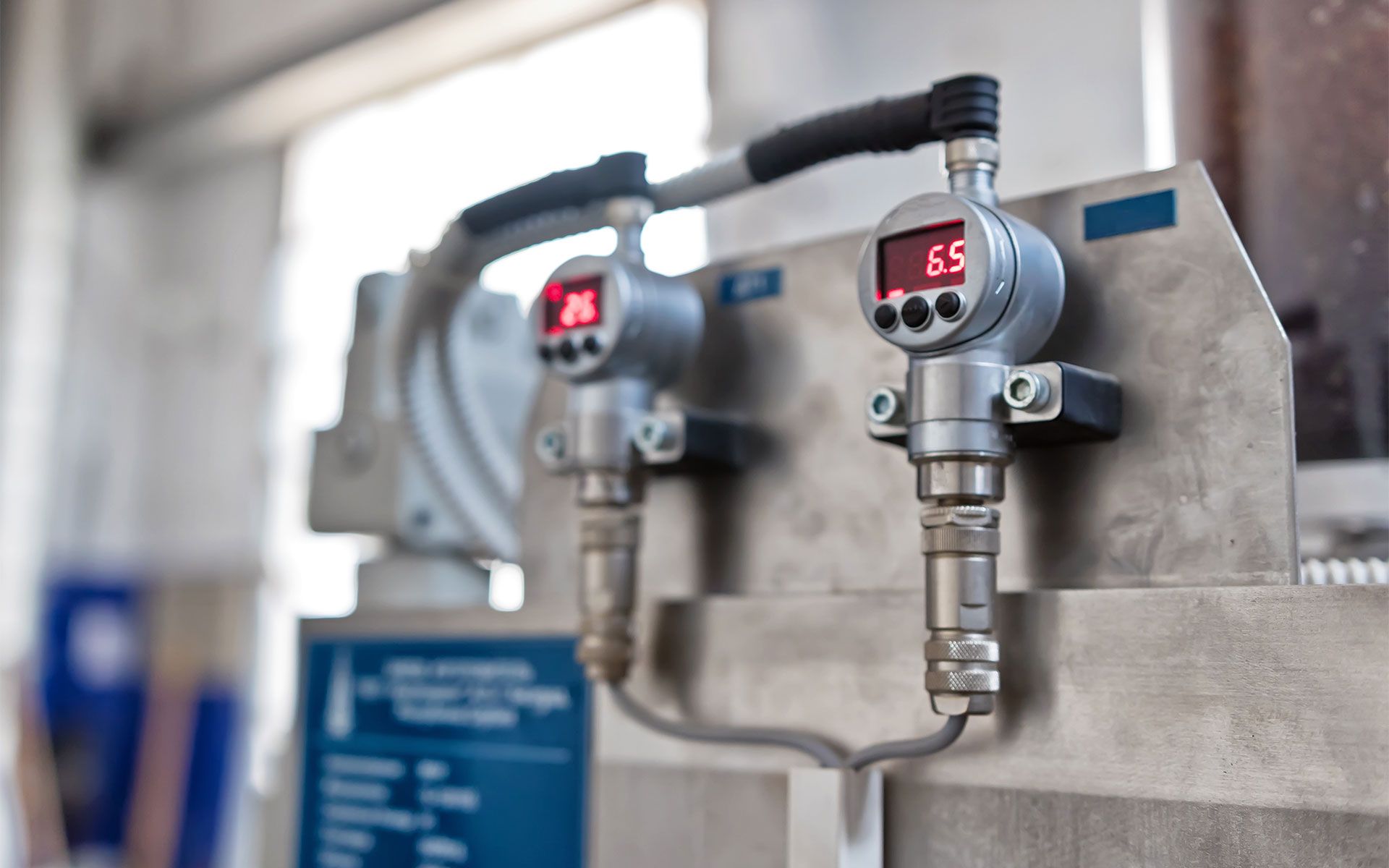
A pressure sensor measures gases or liquid pressure within a system and converts changes into a signal. These sensors commonly measure gauge pressure relative to atmospheric pressure, absolute pressure relative to a vacuum, or differential pressure between two points. Pressure sensing devices are common in hydraulic systems, pneumatic equipment, automotive applications, and industrial process control.
Ultrasonic Sensors
This type of sensor uses high-frequency sound waves to measure distance, detect the presence of objects, or monitor levels. It emits a sound pulse and measures the time it takes for the echo to return after hitting an object, then calculates the distance or levels. This type of sensor is ideal for liquid-level monitoring, tank measurement, automation systems, and flow detection applications. They also work well in challenging environments, since they can operate without physical contact.
Motion and PIR Sensors
These sensors are used to detect movement occupancy. PIR (passive infrared) technology is the most common detection method. It senses changes in infrared radiation, i.e., heat, emitted by people or animals. These sensors are integral to security systems, smart buildings, automatic lighting systems, and IoT applications.
Flow and Level Sensors
These types of sensors help monitor the movement and quantity of liquids, gases, sludge, or other materials within industrial systems. Flow sensors measure the movement of these materials through pipelines. Level sensors, on the other hand, measure how much is present in containers or tanks. We see them widely used in industrial automation, wastewater systems, and food processing for accurate system control.
Industries That Use Sensors
Sensors are essential for improving efficiency, automation, monitoring, and safety across countless industries and applications. In industrial manufacturing, sensor sensing helps control equipment, track production, and support predictive maintenance. The automotive and aerospace industries sensing sensors to support monitoring, navigation, and safety systems. HVAC systems need sensors to regulate temperature, airflow, and energy use in buildings. Sensors enable accurate patient monitoring and diagnostics in medical equipment. Modern robotics uses them to ensure precise movements and environmental awareness. They are essential to monitoring power generation and distribution in energy systems. In agriculture, sensors support soil monitoring, irrigation control, and crop management. And let’s not forget wearables, which require sensor sensing to function.
How to Choose the Right Sensor
Several factors will guide your sensor selection, including application-specific requirements. Begin by determining what needs to be measured or detected, i.e., presence, distance, position, temperature, or pressure. Consider the material of the detection target. Is it metallic, non-metallic, liquid, or solid? Define the distance to the target, or the required sensing distance range, for the application. Also consider the operating environment, including temperature and exposure to dust, vibration, or moisture. Next, match the sensor's power requirements and output (e.g., digital, analog, NPN, PNP, IO-Link) to your control system. And finally, consider the mounting requirements and physical size, i.e., how much space is available in the application design.
Key Sensor Specifications to Consider
Sensor specifications to consider include sensitivity, operating voltage, response time, detection range, IP ratings, temperature tolerance, and output type. Sensitivity is how precisely a sensor can detect small changes in the environment. The power requirements for the application’s operation will steer the voltage requirements. The response time is how quickly the sensor reacts, and the detection range is the distance or scope of the measurement required. Ensuring the IP ratings, temperature tolerance, and output type align with the application requirements is also important.
Sensors for Automation and Smart Systems
Modern automation and smart systems rely on sensors for real-time data collection and system responsiveness. Smart and IoT sensors connect equipment, systems, and networks, enabling continuous monitoring and data sharing across industrial automation systems. Today’s smart manufacturing and robotics rely on automation sensors for precision, efficiency, and adaptive control. Sensors also power predictive maintenance by identifying performance changes before failures occur.
Frequently Asked Questions
What are the different types of electronic sensors?
Common types include temperature, pressure, proximity, motion, light, flow, level, and ultrasonic sensors
How do industrial sensors work?
They detect physical changes such as heat, pressure, or motion. The detected data is converted into electrical signals and sent to control systems for monitoring or automated response.
What is the difference between analog and digital sensors?
Analog sensors produce continuous signals that vary with the measured condition, while digital sensors produce discrete signals, typically as on/off states or digital data.
What is a proximity sensor used for?
They detect the presence or absence of an object without physical contact - typically in automation, safety systems, and position detection.
What are ultrasonic sensors used for?
Ultrasonic sensors use sound waves to measure distance, detect objects, and monitor levels.
What is the difference between active and passive sensors?
Active sensor sensing requires an external power source to operate and emit signals. Passive sensors detect and respond to environmental changes without emitting energy.
How accurate are industrial sensors?
The accuracy varies by sensor type and application, but many industrial sensors are highly precise within defined tolerances.
What are smart sensors?
They combine sensor sensing and processing to collect data, process it, and communicate with connected systems in real time.
What is sensor sensitivity?
Sensor sensitivity refers to how well a sensor can detect small changes in measured conditions, where higher sensitivity enables more precise detection of minor variations.