


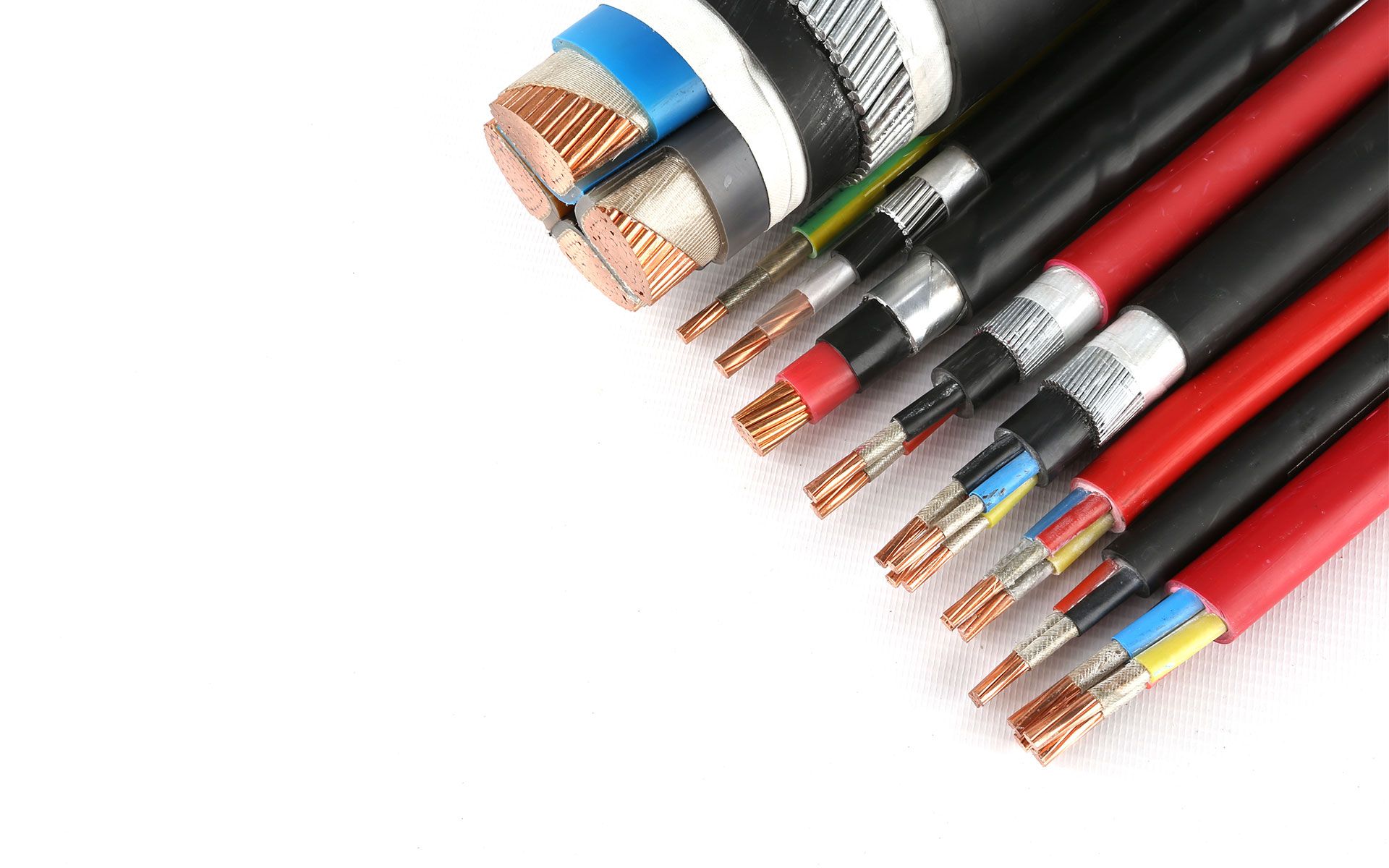

Precision matters when working with electronics. Choosing the wrong component can compromise performance and create unnecessary safety risks, even when the decision seems as simple as choosing between a cable vs wire. Although the terms are often used interchangeably, these conductors differ in both construction and purpose. Therefore, understanding the difference between a wire and a cable is essential to selecting the right solution and ensuring safe, reliable operation.
In today’s blog, we break down the key distinctions between the wire and cable, including construction, durability, and electrical performance. We’ll also cover the most common types of each and when they’re best suited for indoor, outdoor, and other real-world applications. Whether you’re designing a home circuit or planning an industrial project, this guide will help you confidently choose the right option.
What Is a Wire?
In the simplest terms, a wire is a strand of conductive material, such as copper or aluminum, encased in a protective covering. A wire’s function is to conduct electrical power or signals from one point to another. Wires can be either solid (one piece of metal) or stranded (multiple thin metal strands twisted together). Regardless of the strand makeup, a wire is always a single conductor, offering a single path for current to flow.
Wires are commonly used for straightforward electrical connections, such as internal wiring in residential and commercial buildings, and are frequently color-coded (using insulation jackets) for circuit identification. As single conductors, wires are best suited for simple circuits such as those in switches, sockets, and lighting fixtures. Both cost-effective and easy to install, wires are essential to everyday electrical work.
What Is a Cable?
Where a wire is a single conductor, a cable is a bundle of multiple conductors (typically insulated) encased in a jacket. This jacket or sheath protects the cable from moisture, chemicals, abrasion, and environmental damage. Many cables also include shielding to reduce electrical noise and protect signal quality. Shielding is a protective layer in a cable that surrounds the inner conductors, helping keep external signals from getting in and internal signals from leaking out.
The ability to safely carry power or data through multiple protected conductors inside a single, protected package makes cables ideal when greater durability, protection, or data capacity is required. For example, cables are common in industrial equipment, telecommunications, networking, power distribution, and outdoor installations.
Cable vs Wire: Key Differences
What is the difference between a cable and a wire? Although both are conductors used to carry electricity and data, there are notable differences that influence the choice of cable vs wire for an application.
Structure and Construction
Wires are single conductors that can be either bare or covered. Cables contain multiple insulated conductors bundled together inside a protective outer jacket and may also include shielding to protect against interference. Cables' more robust construction allows them to carry more complex signals or power while offering greater protection than a single wire.
Durability and Protection
By design, wires are minimally protected, especially non-insulated or lightly insulated ones. For this reason, they work best inside devices, panels, and controlled environments. Cables, however, are built for harsher conditions. From multiple insulation layers to shielding and fillers, the conductors within are well protected. Plus, the durable outer jacket further guards everything from moisture, abrasion, chemicals, sunlight, and electrical interference. For example, underground power lines use heavily protected cable to withstand moisture and physical stress.
Flexibility and Strength
Wires, especially stranded, are more flexible and easier to bend and route in confined spaces. Stranded wire is common in robotics, automotive wiring, and equipment that moves or vibrates. Cable isn’t as flexible, but it’s more robust, providing greater protection in demanding environments.
Electrical Performance & Safety
A wire or cable’s electrical performance describes how effectively it carries power or signals without overheating, losing signal quality, or causing interference. Performance depends on factors such as voltage rating, current capacity, insulation and temperature rating, shielding, and the operating environment. Using a conductor outside its specifications can lead to signal loss, premature failure, equipment damage, or even shock and fire hazards.
For safety, many wires and cables are tested and certified by organizations such as UL or IEC, while installation must comply with electrical codes such as the NEC. When properly selected and installed, these standards help ensure the cable and wiring will perform safely.
Cost Differences
Wires are generally less expensive than cables because they are simpler in design and require fewer materials. Cables cost more due to additional materials, such as insulation layers, jackets, shielding, and fillers, as well as manufacturing complexity. However, the extra cost buys durability, protection, and reliable performance in demanding conditions. For sensitive data applications, industrial settings, or outdoor installations, this reliability makes the investment worthwhile.
Types of Wires
There are two main types of wires: solid and stranded. Wires can also be bare or insulated, depending on the application and safety requirements.
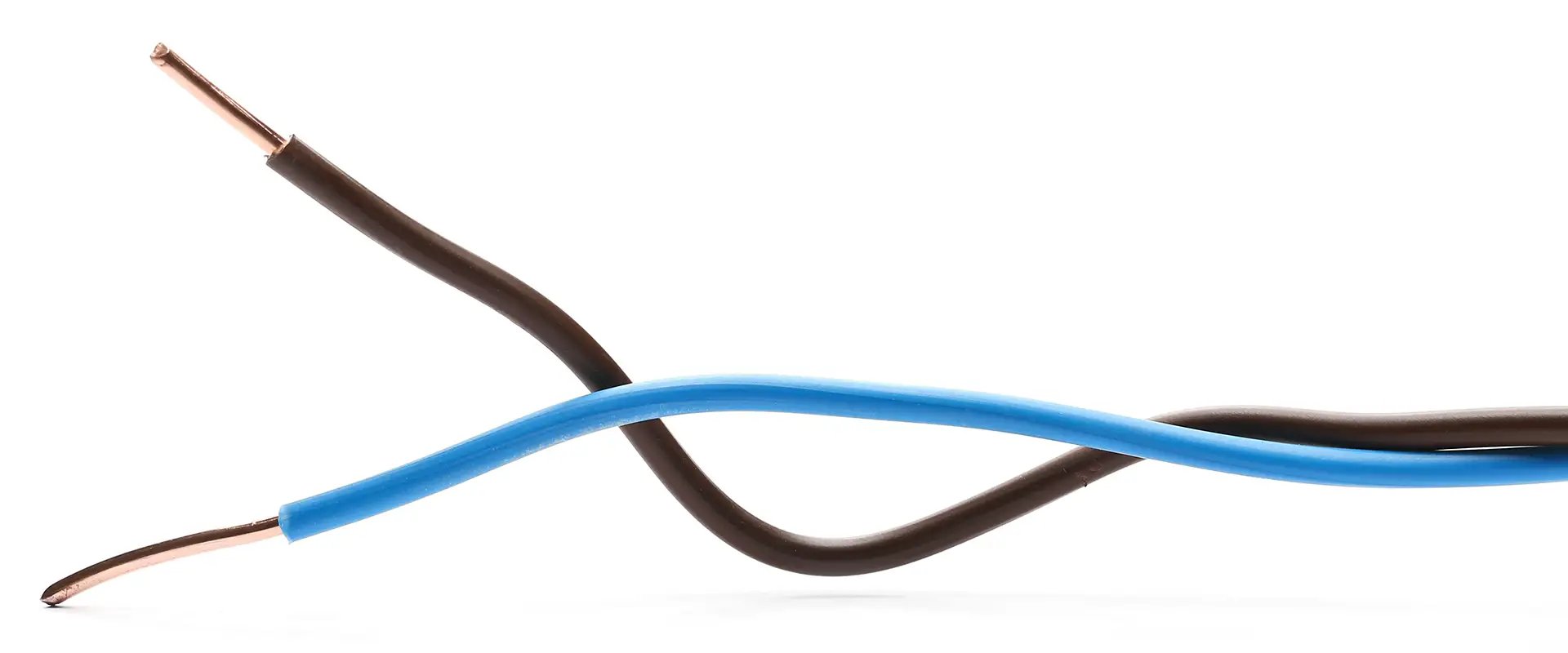
Solid Wire
Solid wires are a single, solid piece of conductive metal (commonly copper for its high conductivity and flexibility). They are rigid and hold their shape, making it easy to install them in fixed locations, such as home electrical outlets, switches, or stationary circuits.
Stranded Wire
Stranded wire’s design makes it more flexible and able to withstand repeated bending or vibration, reducing breakage over time. This fatigue resistance is due to its construction from multiple thin strands of conductive metal twisted together. Stranded wire is ideal for automotive wiring, robotics, and portable electronics, where wires move or vibrate regularly.
Bare Copper Wire
As the name indicates, this type of wire is made of copper and has no insulation. It is highly conductive and cost-effective, making it ideal for grounding, bonding, and lightning protection. However, this lack of insulation requires careful installation to avoid short circuits, corrosion, or accidental contact.
Insulated Wire
Insulated wire has a protective coating of plastic, rubber, or polymer. This jacket helps prevent contact with other conductors while reducing the risk of shocks or short circuits. Insulated wire is used in home circuits, appliances, low-voltage electronics, and outdoor wiring. The wire’s voltage rating, temperature tolerance, and suitability for specific environments depend on its insulation type.
Types of Cables
There are various types of electrical cables, each designed for different purposes and environments.
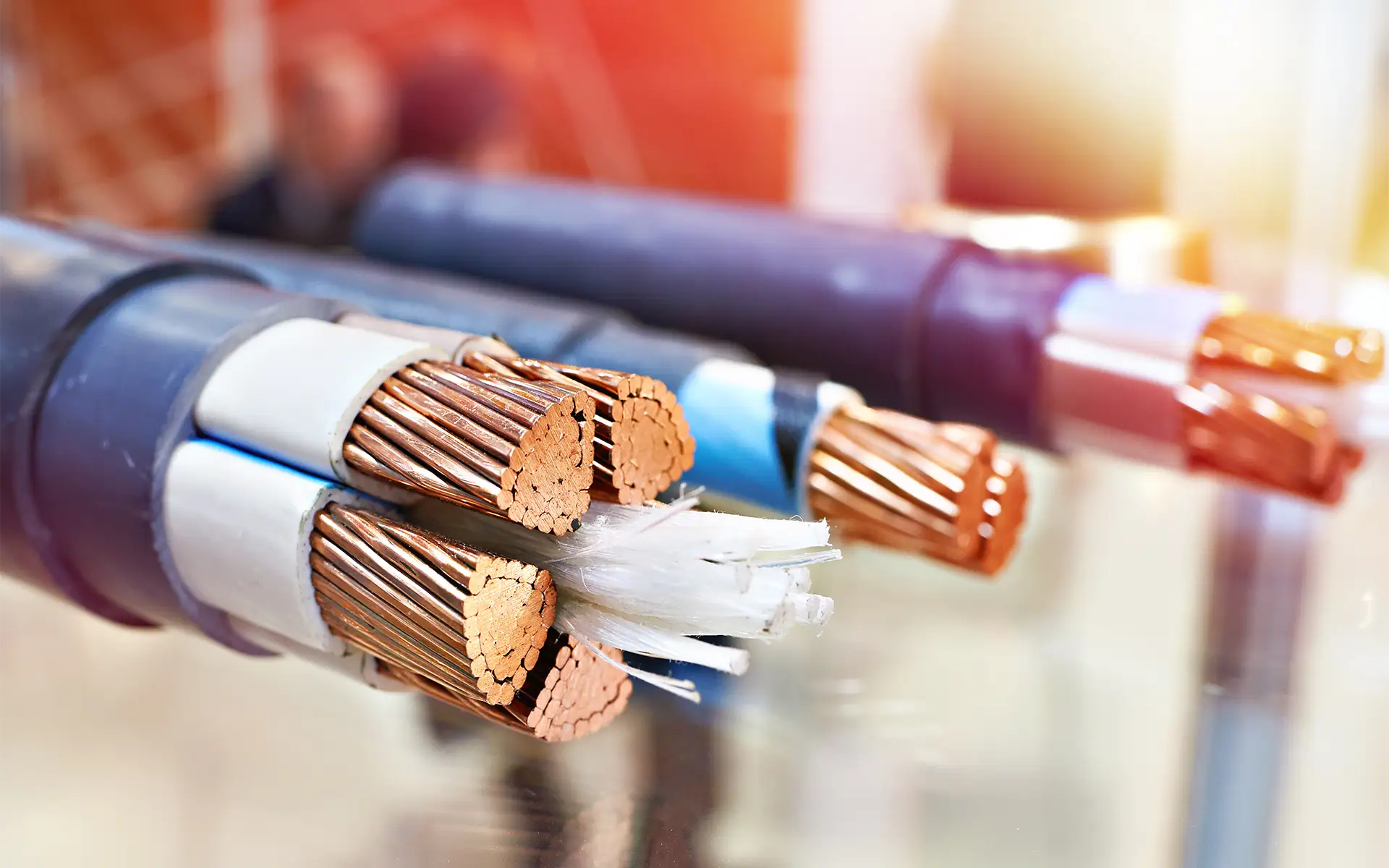
Coaxial Cable
This type of cable has a central conductor surrounded by insulation, a metallic shield, and an outer jacket. The coaxial cable’s design reduces signal interference and maintains high-quality transmission over long distances. For this reason, this cable is the preferred choice for carrying television signals and video transmission.
Ethernet/Network Cable
Used for computer networking, data centers, and internet connections, the Ethernet cable is likely one of the most recognizable. It contains multiple twisted pairs of insulated wires, enclosed in a protective jacket. Their construction provides a shielded pathway for multiple signals while reducing crosstalk (the interference that occurs when signals from one pair bleed into another) and maintaining data integrity.
Fiber Optic Cable
Fiber-optic cables are unique because they carry data (rather than electricity) as pulses of light through glass or plastic fibers. The signal transmission is light-speed fast and experiences minimal interference. For this reason, fiber optic cables are ideal for high-speed internet, telecommunications, and long-distance data transmission.
Power Cable
Another widely known type, power cables deliver electrical power from a source to a device or system, whether that’s a home, an EV charger, or an industrial motor. They consist of one or more insulated conductors with a protective jacket and may also include shielding for added protection. Power cables can withstand higher voltages, tougher environments, and mechanical stress to deliver electricity safely and efficiently over long distances.
Multi-Conductor Cable
A multi-conductor cable includes multiple insulated conductors bundled together inside a jacket (often with shielding). These cables are typically used for control, instrumentation, or automation systems that require carrying multiple signals or low-power circuits. Unlike power cables, they prioritize organization, signal separation, and reliability over high-current transmission.
Real-World Applications of Wires and Cable
The decision to use wire vs cable depends on factors including installation type, voltage level, mechanical stress, and environmental exposure. In general, wires are used for internal wiring applications while cables are better suited for outdoor, industrial, or heavy-duty applications. The following are examples of real-world applications that use wires and cable.
Home Electrical Systems
A residential electrical system delivers power from the main service panel to outlets, lights, and appliances throughout the house. Within this system, individual wires carry electricity to these devices. For example, a wire inside a wall connects the circuit from the breaker panel to a standard outlet, safely delivering electricity for plugged-in devices.
Home electrical systems use cables when multiple circuits or conductors need to be routed together. For instance, a kitchen circuit may use a multi-wire cable to power both a dishwasher and a garbage disposal, or a home theater setup may use shielded cables to reduce interference from appliances and electronics. Cables also make installation easier and safer when running through attics, crawl spaces, or other areas where wires may incur damage.
Automotive & Marine
Wiring is constantly exposed to vibration, tight bends, moisture, temperature swings, and movement in cars and on boats, so stranded wire is best in these environments. Cables are also widely used because their outer jacket protects against abrasion, chemicals, and corrosion, providing long-term safety and performance.
Networking and Communication
Cable is used more than individual wire in these types of applications because data signals require shielding, insulation, and consistent physical shape and spacing of the conductors to prevent interference. While individual wires may still be used in devices or connectors, structured, robust cabling is the standard for reliable networks.
Industrial and Construction
In these rugged environments, conductors must withstand heat, vibration, moisture, chemicals, and electrical noise, so heavy-duty cable is typically preferred over single wire runs. Shielded cables are also standard because they block electromagnetic interference from motors, drives, and high-power equipment.
We find wires in enclosed spaces, such as control panels, motor junction boxes, or machinery cabinets, where the conductors are protected from external hazards and do not need additional mechanical protection. However, once the conductors leave an enclosure, cable is usually the safer and more reliable choice.












Peerless Electronics: An Authorized Distributor
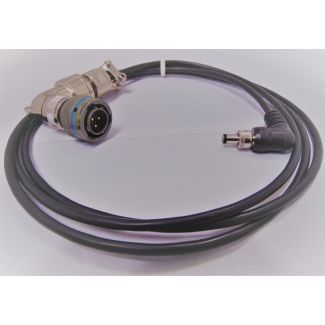
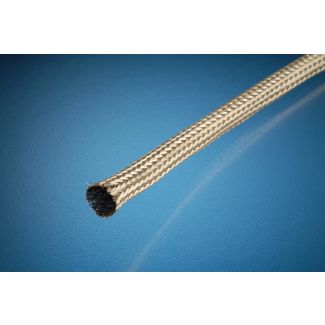
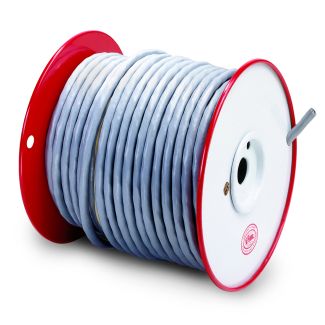
Understanding the differences between a cable and a wire is essential for electrical performance when selecting the right conductor for an application. Choosing between wire vs cable depends on the operating environment, voltage, flexibility, and protection requirements. However, to help ensure performance and safety, it’s important to source quality wires and cables you can trust. Peerless Electronics is an authorized distributor for many of the industry’s leading manufacturers, ensuring customers receive genuine, high-reliability products. Peerless also offers Value-Added Services, such as custom cable assemblies and precision wire cutting, to streamline installation and reduce labor costs.