




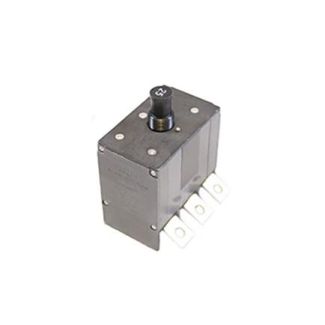


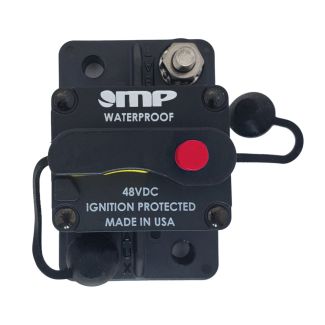
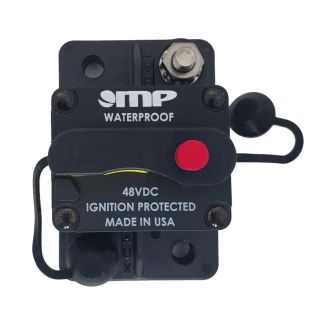
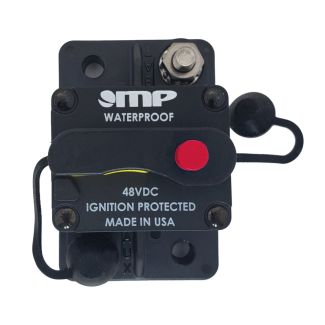
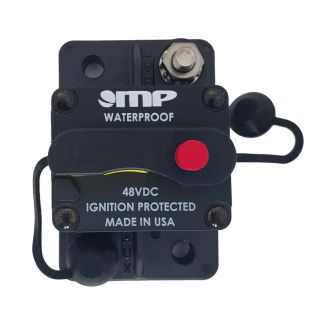
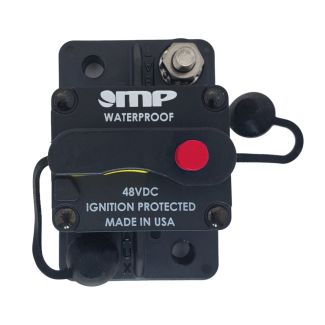
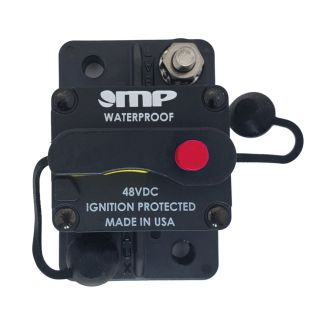
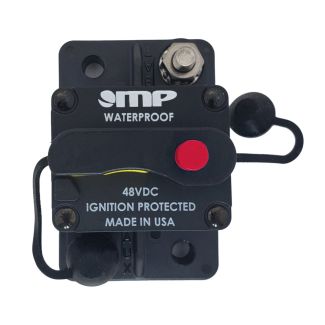
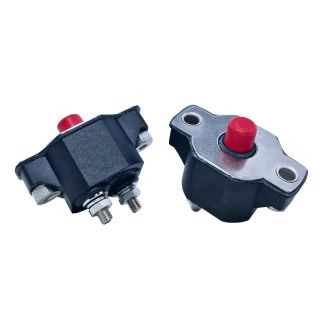
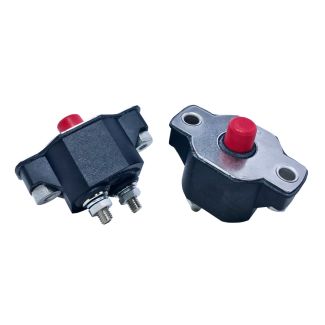
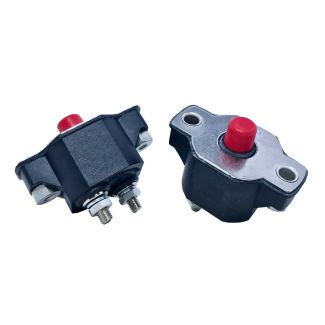
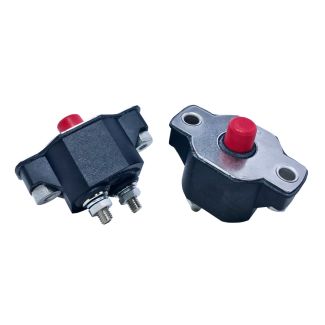
Electrical circuit breakers are critical devices that protect circuits from overcurrent, overload, and short circuits by automatically disconnecting power. Unlike fuses, which must be replaced after use, circuit breakers can be reset to resume normal operation. Commonly used in both commercial and residential panels, they keep electrical systems running safely and reliably. Whether you are sourcing for industrial and automotive applications or need thermal military/aerospace circuit breakers for mission-critical applications, we have you covered. Peerless is your fully authorized source of high-quality breakers from today’s leading manufacturers, including Sensata KLIXON, TE Connectivity, Mechanical Products, Pollak, and many more.
Overcurrent, Overload, and Short Circuit Explained
A circuit breaker helps maintain safe and reliable electrical systems by detecting and responding to electrical faults. The most common types include overcurrent, overload, and short circuit conditions, and understanding each helps clarify how circuit breaker protection works.
An overcurrent is any situation in which the electrical current exceeds safe limits. A circuit breaker provides effective overcurrent protection by preventing wires and components from overheating and failing. An overload can occur when a circuit carries more current than it is designed for for an extended period. Overloads are common when too many devices are connected to one circuit, which can cause heat to build up gradually and lead to damage.
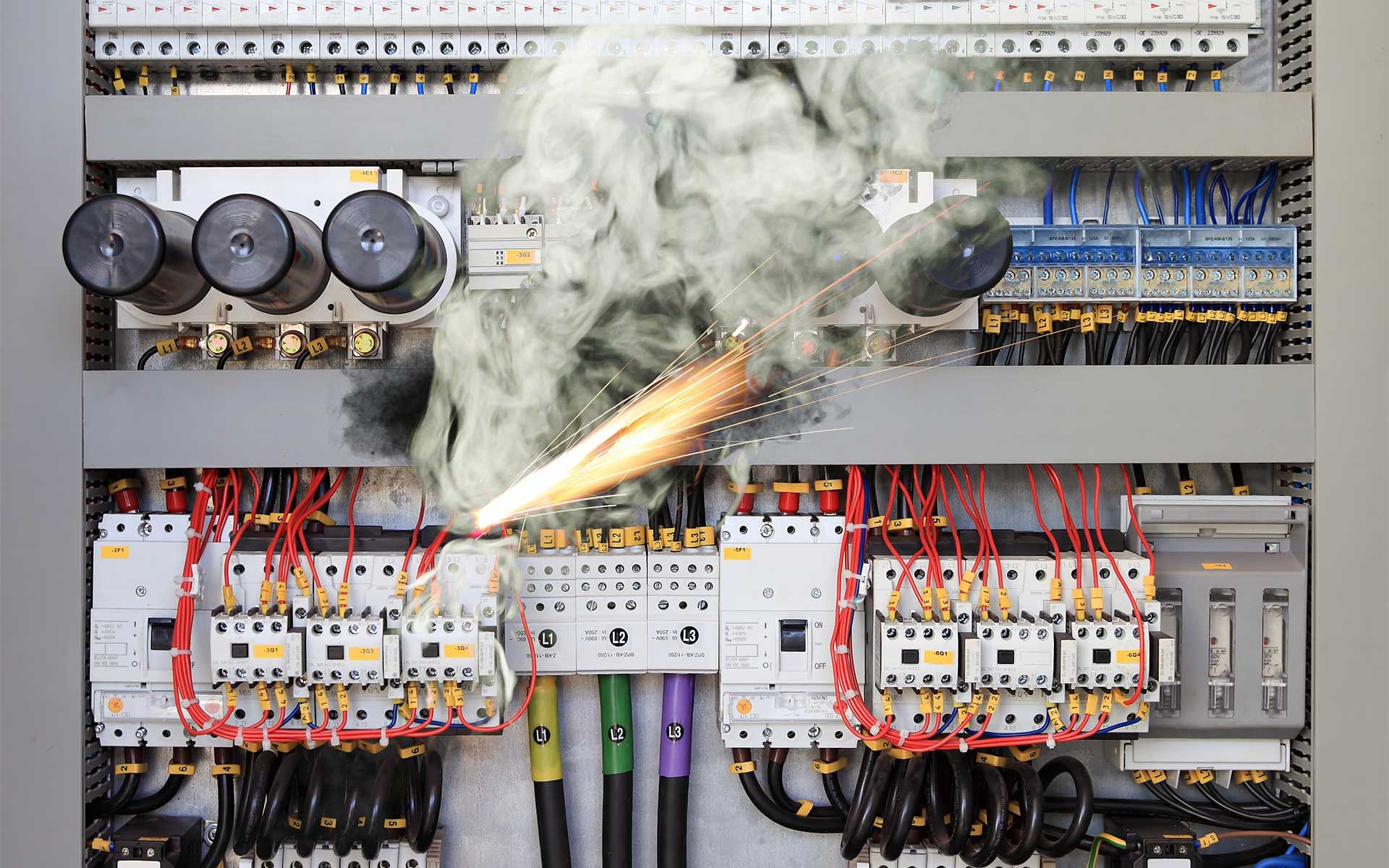
Short circuits occur when current takes an unintended low-resistance path. A common example is when a live wire contacts a neutral or ground wire, causing a sudden surge of current that can result in damage or a fire risk.
Types of Circuit Breakers
Circuit breakers are used across commercial, industrial, and specialized electrical systems. Each type of circuit breaker is designed to handle specific voltage levels, environments, and performance needs. The designs of each type may differ, but they all serve the same core function: interrupting current during electrical faults.
Miniature Circuit Breakers (MCB)
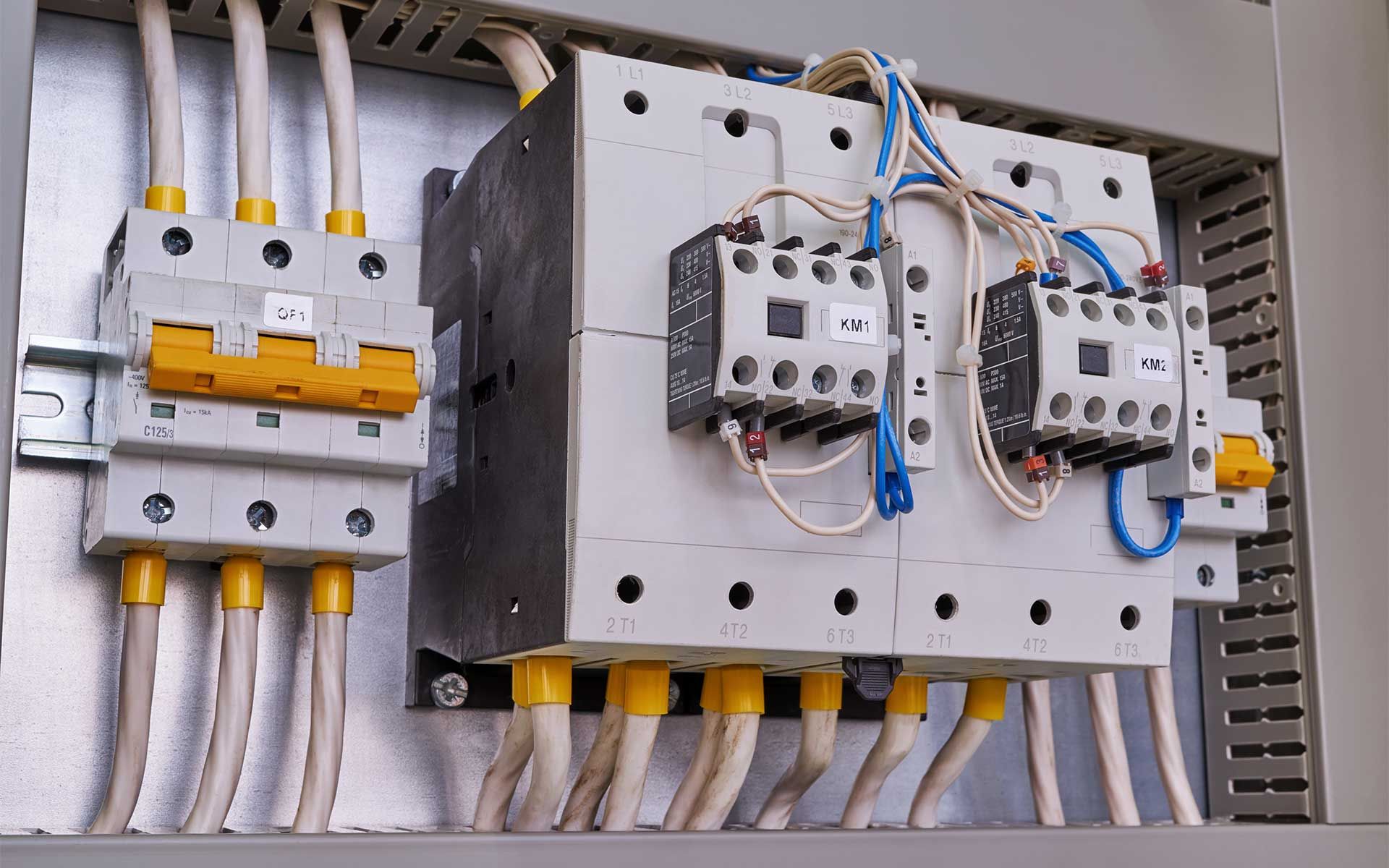
A miniature circuit breaker, or MCB, protects circuits in residential and lighter commercial applications. Compact, low-voltage, the MCB breaker is typically rated between 1 and 100 amps. MCBs are easy to reset after a trip to resume circuit protection.
Molded Case Circuit Breakers (MCCB)
The molded case circuit breaker (MCCB) is ideal for systems with higher electrical loads operating in demanding conditions. Designed to handle current ratings between 100 and 2,500 amps, this industrial circuit breaker safely protects circuits from larger fault currents. Molded case circuit breakers have adjustable trip settings to meet specific system requirements. They can safely protect circuits in systems with high-capacity performance needs, e.g., manufacturing facilities, large buildings, and heavy equipment.
Ground Fault Circuit Interrupters (GFCI)
A ground fault circuit interrupter, or GFCI breaker, detects ground faults that can cause electrical shock. These occur when current flows to ground instead of through the circuit, so the current is essentially leaking out of the circuit. When this happens, a GFCI breaker can quickly cut power to prevent electrical shock. Ground fault circuit interrupters are essential in areas where moisture poses a danger, like kitchens, bathrooms, outdoor areas, etc.
Arc Fault Circuit Interrupters (AFCI)
An arc fault circuit interrupter (AFCI circuit breaker) can detect dangerous arc faults in wiring and connected devices. Arc faults happen when electricity jumps across a damaged or loose connection, creating heat and sparks. An arc fault circuit breaker quickly shuts off power when it senses this condition. We find AFCI breakers in residential, commercial, and aircraft electrical systems. They are especially valuable for applications with concealed wiring, where arc faults may not be detectable until it's too late.
High-Voltage and Industrial Circuit Breakers
A high-voltage circuit breaker can safely interrupt higher currents than standard devices can handle, making them ideal for large electrical networks, such as industrial and utility systems. Common industrial circuit breakers include vacuum, air, and gas-based designs, which describe the method used to extinguish electrical arcs during a fault.
How to Choose the Right Circuit Breaker
Proper circuit breaker selection keeps systems safe. For optimal performance, consider the electrical load, system requirements, and application type when deciding which type to use. The first step is to determine the application type, such as industrial, aerospace, defense, automotive, etc. Also, review the load and safety requirements to guide your choice.
Key selection criteria include amperage rating and voltage requirements. The amperage rating should match the circuit's maximum current load. For example, a 15 to 20-amp circuit breaker is common in residential applications, and a 200-amp circuit breaker is more common for light commercial systems.
For voltage requirements, a circuit breaker's voltage rating must be equal to or greater than the system's operating voltage. So if an electrical system operates at 120V, you must use a breaker rated for at least 120V. Also, choose a breaker tested and rated for the type of current in your circuit, either AC or DC.
Other considerations are the interrupting capacity, trip characteristics, and panel compatibility. The interrupting capacity is the maximum current a circuit can handle during a short circuit. The trip characteristics indicate how quickly a breaker responds to overloads or short circuits. Finally, ensure the circuit breaker is compatible with the panel, as not all breakers are interchangeable across manufacturers or panel designs.
Our Top Circuit Breaker Categories
As a leading circuit breaker distributor, especially for aerospace, industrial, high-performance, and automotive systems, we carry a wide range of circuit breaker solutions, including aircraft circuit breakers and aviation circuit breakers, designed for specific electrical applications.
Thermal And Thermal Aviation Circuit Breakers
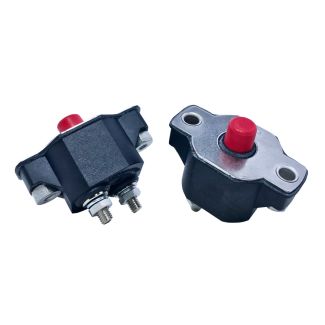
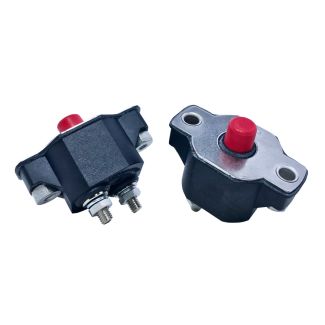
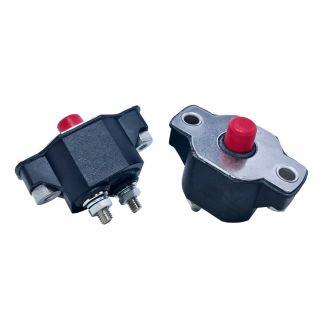
Thermal circuit breakers are regularly incorporated in general-purpose electrical systems where operating conditions are considered “normal”. They protect circuits from extreme or abnormal heat generated by excess current, i.e., overcurrents. Thermal circuit breakers house a bi-metallic strip that responds to rising temperature, bending to trip the breaker and interrupt the circuit. Thermal aviation breakers are a specific type of thermal circuit breaker designed specifically for aircraft electrical systems. This type of aviation circuit breaker is highly regulated, offering trip-free operation - the breaker will automatically trip open during a fault condition even if the pilot tries to physically hold it down. Another key attribute is visual trip indication with the exposure of a white indicator band around the shank, making it immediately visible. Because aircraft operate across extreme climate variations, these breakers offer ambient temperature compensation to prevent nuisance tripping.
Hydraulic Magnetic Circuit Breakers
These circuit breakers excel in demanding environments subject to high vibration, shock, and temperature swings. Unlike thermal breakers, these circuit breakers are not affected by rising temperatures. Rather than a bi-metallic strip, hydraulic magnetic breakers use magnetic flux and silicone fluid to detect overcurrent conditions. What’s unique about these breakers is that they allow a time delay to accommodate initial current surges (such as motor starts) while still protecting circuits from high values of overloads or short circuits. Commonly used in aircraft, these aviation circuit breakers help protect systems during flight.
Automotive Circuit Breakers
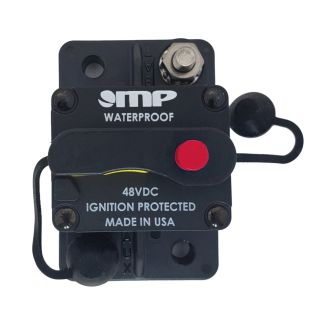
These are thermal circuit breakers designed specifically for vehicle electrical systems. They use a bimetal strip to interrupt current overflow, and they can be reset manually or automatically after the fault is cleared. This makes them more efficient and cost-effective. There are different types of automotive circuit breakers, each designed to protect different systems in a vehicle, from power windows and locks to main power circuits and power distribution units.