



An electric sensor plays a significant role in monitoring electrical systems by ensuring safety, efficiency, and precise measurement across many industries. These devices detect changes in electrical properties, such as voltage, current, resistance, and capacitance, and convert them into measurable signals for monitoring or control. In industrial environments, these sensors support automation, process control, and equipment safety. In consumer devices, they power everyday functions in smartphones, appliances, vehicles, and wearables. In this article, we explore the electric sensor in depth, examining its main types, applications, and how it improves system performance across industries.
What Is an Electric Sensor?
An electric sensor is a device that detects a physical change in its surroundings and converts it into an electrical signal that a control system can interpret and act upon. When a physical variable changes (light, temperature, ect), the sensor responds by altering a specific electrical property, such as voltage, current, resistance, or capacitance, in a predictable and measurable way. That electrical change becomes meaningful data, and control circuits or industrial controllers read it to determine what is happening in the system. Essentially, electrical systems would operate blindly without these devices, as they provide the real-time feedback necessary to measure conditions, make decisions, and respond accurately and safely.
Although the terms electric sensor, electrical sensor, and electronic sensor are often used interchangeably, they are not technically identical. An electric sensor is a general term for any device that converts a physical change, such as pressure, temperature, motion, or light, into an electrical signal. An electrical sensor is a broad term for any sensor used in an electrical system. An electronic sensor is a type of electric sensor that uses semiconductor devices and supporting electronic components to detect physical changes and convert them into processed electrical signals.
How Electric Sensors Work: Understanding Electronic Implementations
Electric sensors operate in three main steps: detection, conversion, and processing. First, the sensor element detects the physical change. For example, a thermistor’s resistance changes as temperature rises. Next, the sensor converts this change into an electrical signal, often adjusting voltage, current, or resistance to make it measurable. Finally, the signal undergoes processing, where electronic components amplify, filter, or digitize the output so controllers or monitoring systems can interpret it accurately.
Modern electric sensors often include electronic components that enhance the signal and enable integration with digital systems. For example, a pressure sensor used in industrial automation may rely on a MEMS sensing element to produce a voltage change as pressure varies. However, it is the integrated sensor electronic that conditions and formats this signal so a PLC or microcontroller can correctly interpret it. This combination of sensing elements with electronics enables real-time, precise operation across both industrial and consumer applications.
Core Components of an Electric Sensor
Electric sensors comprise three key components: the sensor element, signal conditioning, and the output interface. The sensor element directly responds to the physical input. Next, signal conditioning circuits process the raw signal (e.g., amplify, filter, etc.) to reduce noise and improve accuracy. Finally, the output interface delivers the conditioned signal in a usable form, which can be analog or digital, for monitoring, control, or automation systems. The electronics put the “electric” in these sensors by ensuring reliable, repeatable, and precise measurements, even in challenging industrial environments.
Types of Electric Sensors and Their Electronic Implementations

Electric sensors are classified by the characteristic they measure, including pressure, proximity, temperature, and light. Each type converts a physical input into an electrical signal that systems can monitor or process. Modern implementations often incorporate electronic components, such as amplifiers or signal conditioning circuits, to improve accuracy, reduce noise, and enable integration with digital controllers. It’s critical to understand the different types of electric sensors to select the right solution for industrial, automotive, or consumer applications.
Pressure Sensors
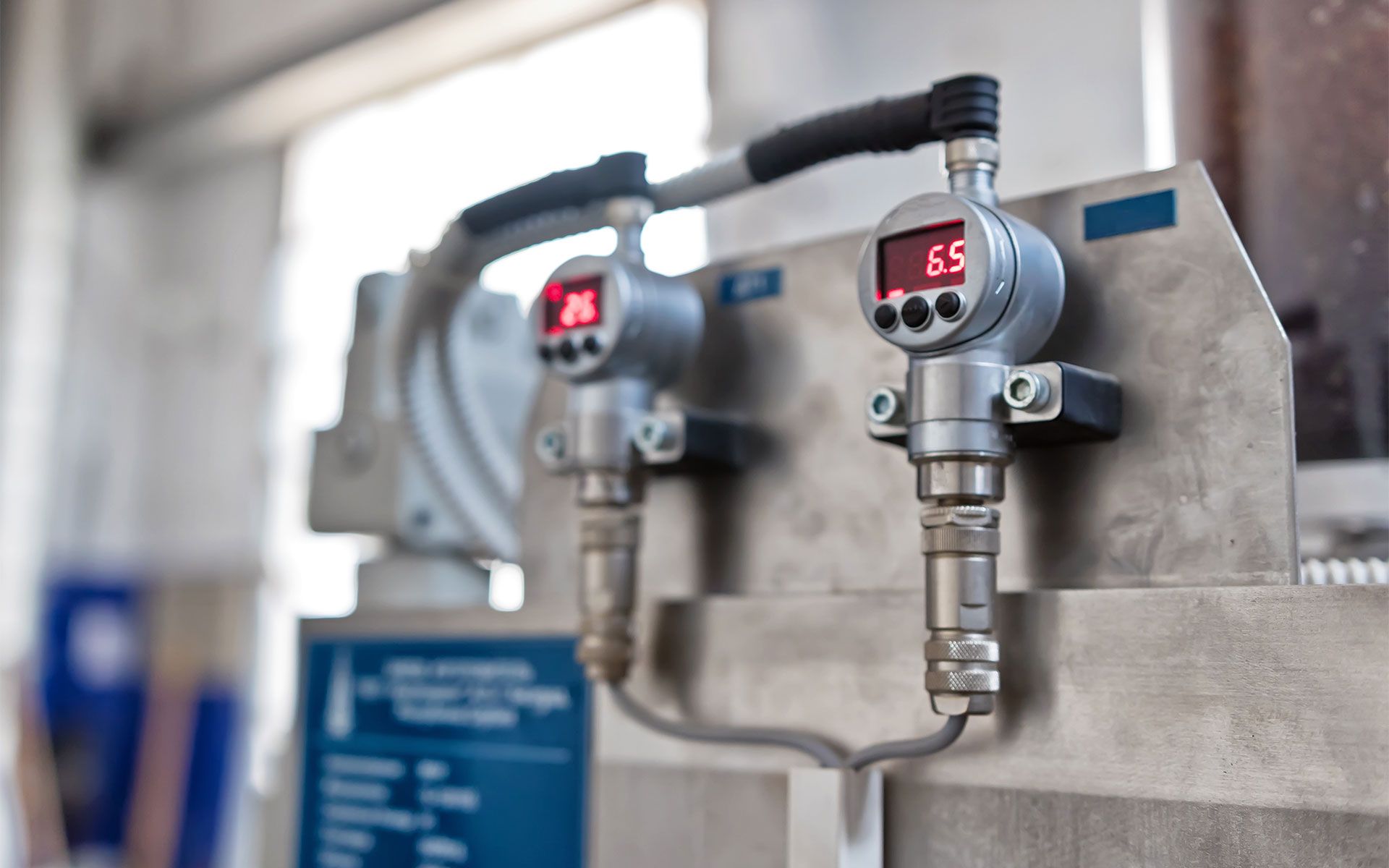
A pressure sensor detects changes in fluid or gas pressure and converts them into electrical signals for monitoring and control. They typically use diaphragms, strain gauges, or piezoresistive elements that deform under pressure, producing measurable changes in voltage or resistance. Industrial systems use pressure sensors for process control and hydraulics, while HVAC systems use them to monitor airflow and refrigerant levels. Modern electronic pressure sensors include amplification and filtering circuits to ensure accurate and reliable readings in challenging environments.
Proximity Sensors
Proximity sensors can detect objects or movement without physical contact. Instead, they use capacitive, inductive, or ultrasonic sensing methods. These sensors offer precise, fast, and non-contact detection and are widely used in industrial automation, manufacturing lines, and safety systems. Electronic proximity sensors often include signal conditioning circuits that enhance sensitivity and reduce false triggers to improve output reliability.
Temperature Sensors
As the name indicates, these electric sensors measure thermal changes and convert them into electrical signals. Common types include thermocouples, thermistors, and resistance temperature detectors (RTDs). We commonly find temperature sensors in industrial monitoring systems and consumer electronics, such as smartphones, appliances, and HVAC devices. Electronic temperature sensors often include amplification, filtering, and digital interfaces to deliver real-time readings that integrate seamlessly with controllers or microprocessors.
Optical and Light Sensors
Both of these electric sensors use photo-sensitive components like photodiodes, phototransistors, or photoresistors to measure light intensity or wavelength presence and convert them to electrical signals. Common optical/light sensor applications include smart lighting, smartphones, cameras, and automated systems that respond to surrounding lighting conditions. They often incorporate photodiodes or phototransistors with signal-conditioning circuits, which improve accuracy and speed. These electronic sensors combine light-detecting elements with electronics to enable responsive lighting and adaptive automation.
Electric Sensors in Industrial Applications
Industrial environments rely on accurate measurement and reliable control, which are essential for safe and efficient operations. Industrial electronics and sensor applications meet those needs by monitoring variables such as pressure, temperature, position, and motion to ensure equipment operates within defined parameters. They also regulate airflow, fluid levels, and thermal conditions to maintain consistent performance and energy efficiency across HVAC and process control systems.
Electric Sensors in Consumer Devices
Sensors are essential to the usability and performance of consumer electronics. For example, smartphones use electric sensors to detect touch, motion, light, and orientation. This then enables screen rotation, adaptive brightness, and health tracking. The electric sensor is also integral to smart lighting, climate control, and security in home automation systems by responding to user presence or environmental changes. In vehicles, sensors enable safety systems, navigation, and driver assistance features. Advances in miniaturization and sensor electronic design make these systems more accurate and energy efficient to improve overall performance.
Benefits of Using Electric Sensors
In both industrial and consumer applications, electric sensors are essential to helping systems measure conditions accurately and respond quickly to changes. With real-time conversion of physical inputs into electrical signals, machines, devices, and control systems can monitor performance in real time. This improves accuracy and reduces guesswork by enabling systems to react automatically without manual input. Electric sensors also support safety, detecting abnormal environmental conditions early and helping prevent equipment failures or hazards.
Overall, the electric sensor improves efficiency by optimizing system operation and reducing energy waste. They also enable data collection, which is essential to tracking performance and identifying trends, as well as planning maintenance before problems occur. No matter the application, industrial or consumer, these sensors make technology more responsive, reliable, and easier to use.
Choosing the Right Electric Sensor for Your Application
Understanding the operating conditions is essential to choosing the right electric sensor. For example, sensors exposed to heat, moisture, vibration, dust, or chemicals may experience degraded performance and reduced lifespan. The required level of accuracy is also important. Some applications need highly precise measurements, while others only require general detection or monitoring.
The signal type should match the system receiving the data. For example, electric sensors may provide analog or digital outputs, so it's important to ensure they are compatible with the system in that regard. Durability is another consideration, especially in industrial settings where sensors must withstand continuous operation and harsh conditions without frequent replacement.
Beyond technical specifications, it’s also important to consider how the sensor fits into the overall system, including installation, maintenance, and long-term reliability. All of these factors influence the selection of electric sensors and help ensure functionality and performance across applications.
The Role of Sensor Electronics in Accuracy and Reliability

In an electrical sensor, the sensor electronics make the sensing element's output useful. While the sensing element responds to a physical condition such as temperature, pressure, or motion, the electronics turn that raw electrical change into a clean, reliable signal that a system can understand.
- Signal Conditioning: The raw sensor signals are amplified and filtered by the sensor electronics to remove noise and interference. This enables precise, high-resolution measurements.
- Calibration and Compensation: Sensor electronics support calibration and compensate for environmental factors (temperature drift, pressure variations, and mechanical vibration), helping to maintain accurate measurements over time.
- Intelligent Diagnostics: Electronics enable self-monitoring features that detect faults, degradation, or abnormal behavior in real-time, improving system reliability and reducing downtime.
- Reduced Power and Weight: Sensor electronics reduce overall power consumption and the need for excessive cabling. This supports compact and energy-efficient system designs.
- Robustness in Harsh Environments: Integrated sensor electronic design improves resistance to electromagnetic interference and harsh operating conditions. This ensures consistent performance in industrial and consumer applications operating in challenging environments.
This close integration of sensors and electronics is critical in applications where accuracy and reliability matter, such as manufacturing automation, HVAC systems, and process control. Sensor electronics manage noise, compensate for environmental factors, and deliver consistent output, enabling electrical sensors to provide dependable feedback in real-time. Without this electronic layer, sensor data would be unstable, difficult to interpret, and far less trustworthy.
Why the Electric Sensor Matters in Modern Technology
Sensors are integral to efficient, safe, and intelligent operations across countless industries and in everyday life. They provide real-time measurement and monitoring, enabling systems to detect changes and respond automatically. This optimizes performance and prevents problems before they escalate. Sensors support automation and process control in manufacturing, improve energy efficiency in HVAC, and enhance usability and safety in vehicles.
Electric sensors enable these capabilities by converting physical conditions into electrical signals, which integrated sensor electronics then process into reliable, actionable data for systems. The result? Optimized performance, improved automation, and smarter decision-making overall.
Peerless Electronics is a trusted choice for engineers and buyers across industries when sourcing reliable electrical sensors. As an authorized stocking distributor for leading industrial brands, we carry high‑quality sensing and control products from names like Honeywell Sensing and Control, Sensata Technologies, TE Connectivity, Danfoss, and many others. From precision pressure sensors to temperature-sensing devices and more, we offer a broad selection backed by over 50 value-added electronic solutions, including sensor calibration.