




In electronics, the simplest devices often make the biggest impact. Such is the case with electrical power distribution blocks, a cornerstone of electrical systems. These components have a significant impact on power management, especially within control panels, automation lines, and energy management networks. Not only do they improve efficiency and safety by managing electrical connections, but they also save valuable space inside control panels or equipment.
A power distribution block is essential to safely and efficiently delivering power from one source across multiple circuits. Keep reading to learn more about these critical components. We’ll explore how they function, their benefits, different types, and what to consider when selecting the right electric block for your application.
Understanding the Function of a Power Distribution Block
The electrical power distribution block splits and distributes current from a single input source to multiple outputs. This allows one power source to safely and efficiently supply several devices or circuits. These components are sometimes also called power terminal blocks or power distribution units (PDUs).
How do these components work? An electric block manages electrical output using conductive materials (i.e., conductors), which are usually copper or aluminum. When power from a single source enters the block, the conductor acts as a pathway for electricity, facilitating even flow to each connected circuit. Insulation around the conductive material helps contain the current, preventing short circuits and ensuring safe electrical flow. In essence, these compact and lightweight devices centralize and organize electrical connections to improve efficiency and enhance safety.
Key Benefits of Using Electrical Distribution Blocks
Electrical distribution blocks play a central role in creating a secure and organized power distribution system. Found in control panels, switchboards, and industrial machines, they offer several advantages:
- Simplified Wiring: Electrical blocks simplify wiring by consolidating multiple connections into a single, more manageable unit. Therefore, a single input can efficiently feed multiple outputs without a tangle of separate wires.
- Improved Safety: A distribution block reduces the risk of electrical hazards by providing a secure and enclosed environment for power connections.
- Reduced Installation Time: Installation is faster when using pre-assembled or modified terminal blocks, which Peerless offers as a part of its Value-Added Services.
- Neat, Organized Panels: Centralized connections keep panels organized and easy to maintain.
- Scalability: Electrical distribution blocks enable the addition of circuits without requiring rework of the entire system.
Explore our range of power distribution blocks.


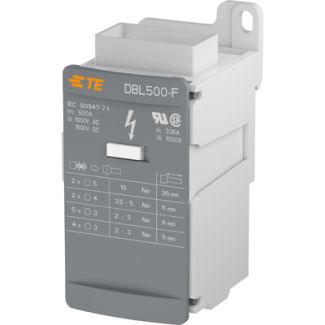


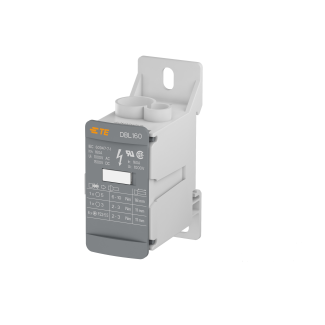
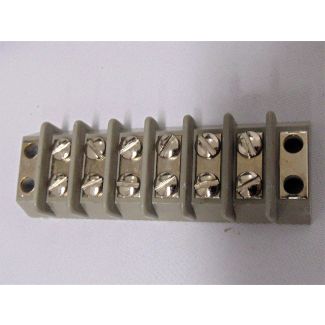

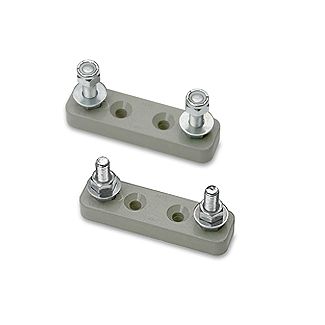
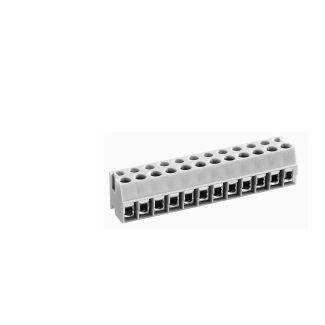


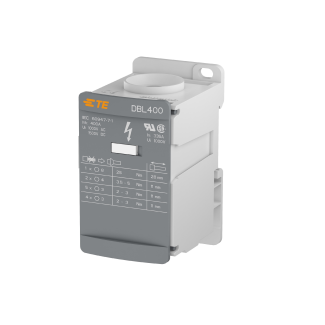


Types of Electrical Power Distribution Blocks
There are various types of distribution blocks. Each type is designed to fulfill specific requirements depending on the application.
Single-Pole Distribution Blocks
Single-pole electrical distribution blocks connect each input to a single output, allowing them to handle one circuit per terminal. We typically find a single-pole distribution block in an industrial control panel or other applications where a single line feeds a single device. Depending on the design and conductor size, its current ratings typically range from a few amps to 100 A.
Multi-Pole Distribution Blocks
A Multi-pole block distributes power to multiple circuits simultaneously from a single point. This simplifies complex wiring setups while providing more flexibility. They also have safety covers, which protect against accidental contact in industrial or commercial panels.
Modular / DIN Rail Mounted Blocks
DIN-mounted electrical distribution blocks are designed for industrial control panels and similar electrical enclosures. Their modular design easily snaps onto a DIN rail for an organized setup. This configuration ensures quick installation, easy maintenance, and flexible reconfiguration as needed.
Common Applications Across Industries

Electrical blocks help improve safety, efficiency, and organization in power management. We find them in use across various industries, from factory floors to utility environments. Let’s explore some examples of industry applications and benefits:
- Industrial Automation: Electrical blocks efficiently distribute power to sensors, relays, and motor drives, helping reduce downtime and ease maintenance.
- HVAC Systems: Distribution blocks minimize wiring errors and system reliability with safe and centralized connections for control circuits and more.
- Power Control Panels: Power distribution blocks organize and protect high-current connections in control panels. This facilitates consistent power flow and easier troubleshooting in manufacturing or utility environments.
- Military Vehicles & Equipment: Rugged, vibration-resistant electrical blocks ensure safety and durability in harsh environments by delivering reliable power in vehicles, communication systems, and field equipment.
- Renewable Energy: Electrical blocks safely and efficiently manage power from renewable energy sources (e.g., wind turbines, battery banks) to support system protection.
How to Choose the Right Power Distribution Block
When selecting an electrical power distribution block, it’s important to consider the following selection criteria:
- Voltage and Current Rating: The distribution block needs to safely handle the system’s maximum voltage and total load demand.
- Wire Size & Number of Outputs: The block terminals must accommodate the wire gauges and include enough outputs to support the circuit design.
- Conductive Material: Determine and use the type of material suitable for the application.
- Insulation Type: The electrical block’s insulation or housing material must withstand the conditions of your operating environment.
- Mounting Method: Choose a mounting type that is compatible with your application.
- Environmental Conditions: Based on the enclosure’s environment, ensure electrical blocks are rated to withstand specific conditions.
Unsure which electrical power distribution block best suits your application? Contact us for assistance.
Installation and Safety Best Practices
Safety is paramount in any electrical installation. Whether installing or performing maintenance, the following best practices can help protect personnel during distribution block installation:
✔ Power down all circuits before installation or maintenance.
✔ Verify the voltage and current ratings align with system specifications.
✔ Inspect the insulation and housing for cracks, wear, etc., before mounting.
✔ Use the correct wire size and type for each terminal connection.
✔ Tighten terminals to the manufacturer’s recommended torque using a calibrated tool.
✔ Clearly label all connections to simplify future troubleshooting and maintenance.
✔ Ensure secure mounting on the panel or DIN rail to prevent vibration or movement.
✔ Install protective covers or barriers where applicable to prevent accidental contact.
✔ Perform regular inspections to check for loose connections, discoloration, etc.
✔ Immediately replace damaged or corroded components.
Related Electrical Components
Various control panel components work in conjunction with electrical distribution blocks to maintain the organization and safety of a system. For example, control relays receive power through the electrical blocks to switch circuits. Additionally, circuit breakers (or fuses) protect those circuits from overloads or short circuits. These components all work together to create a reliable, efficient, and safe electrical system, whether in industrial panels or other applications.
Electrical Distribution Blocks at Peerless Electronics
As a leading authorized distributor, Peerless Electronics carries reliable electrical power distribution blocks suited for rugged industrial, military, and aerospace environments. Our extensive inventory is backed by over 50 Value-Added Services and custom-tailored technical support. This ensures that you not only receive the part you need quickly but also have the resources necessary for superior, installation-ready solutions backed by industry-leading customer service.
Frequently Asked Questions (FAQ)
What materials are used in electrical power distribution blocks?
In general, a distribution block consists of copper or aluminum conductors housed in thermoplastic, nylon, or other heat-resistant materials.
Do power distribution blocks require maintenance or inspection?
Yes, it’s recommended that electrical distribution blocks undergo inspection for loose connections, discoloration, corrosion, or signs of overheating every 6-12 months to ensure safe and reliable function.
What are the advantages of using a power distribution block over direct wiring?
Using electrical distribution blocks over direct wiring helps simplify wiring, improve safety, reduce installation time, and keep panels organized.
Are there modular or DIN-rail-mounted versions of power distribution blocks?
Yes, industrial panels use modular or DIN rail-mounted electrical power distribution blocks.
How do you choose the right distribution block for industrial applications?
To ensure the distribution block matches your system requirements, consider the voltage and current ratings, wire size, number of outputs, materials, mounting method, environmental conditions, and safety features when selecting it.