


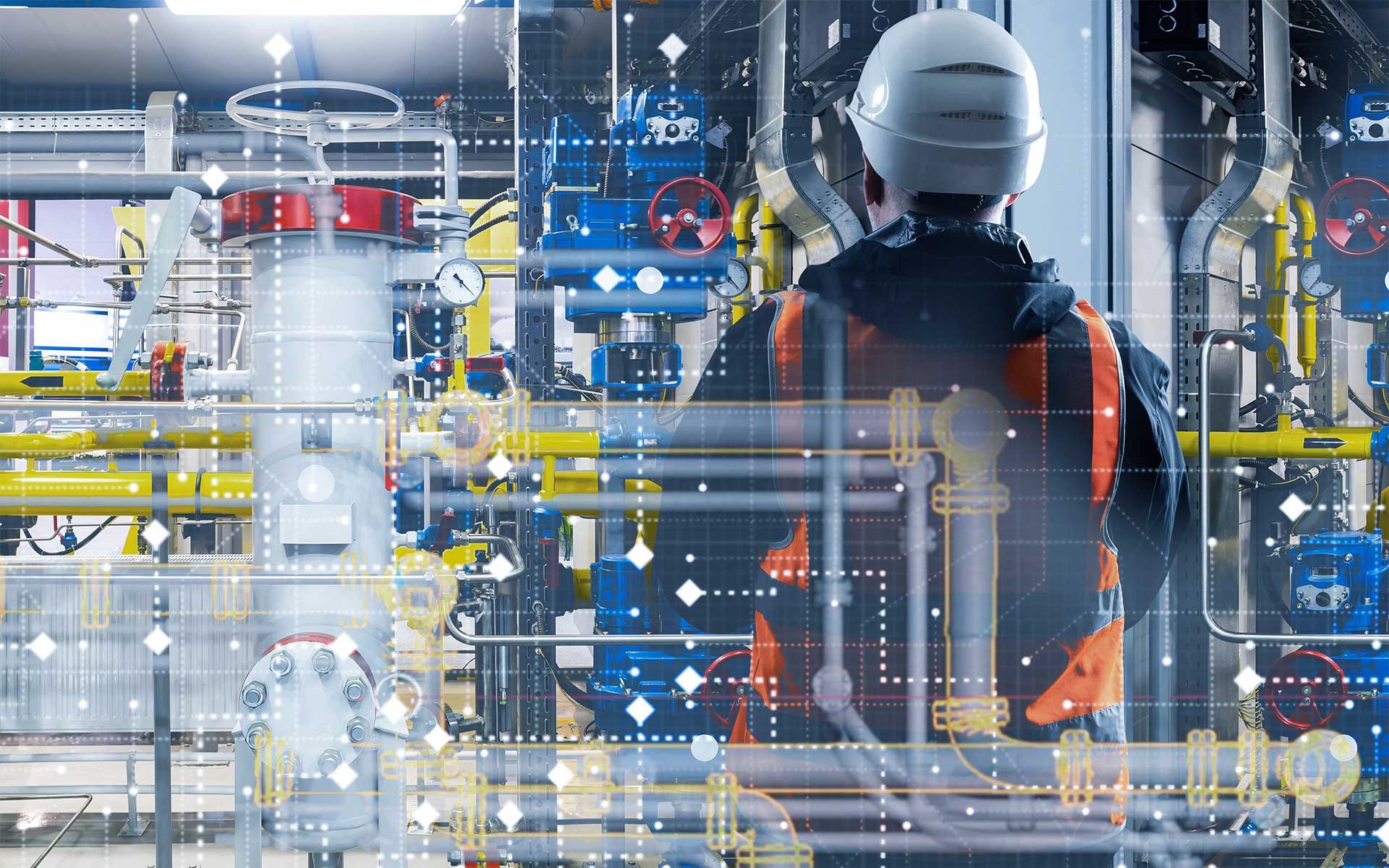
Industrial Control Systems (ICS) are the information systems that control industrial processes such as production, manufacturing, product handling, and distribution. They consist of integrated hardware and software systems used to monitor, control, and automate processes. ICS is an umbrella term for these hardware and software systems, including Programmable Logic Controllers (PLCs), Supervisory Control and Data Acquisition (SCADA) Systems, and Distributed Control Systems (DCSs). These technologies work together to manage everything from simple machine operations to larger complex production environments. Modern industrial automation relies on these systems to support critical infrastructure across manufacturing, energy, water treatment, and transportation sectors.
What Are Industrial Control Systems (ICS)?
Industrial Control Systems are the “brains” behind industrial processes, helping run and manage machines and operations in industries such as manufacturing and production. The National Institute of Standards and Technology (NIST) defines ICS as “An information system used to control industrial processes such as manufacturing, product handling, production, and distribution. An industrial process control system includes supervisory control and data acquisition systems used to control geographically dispersed assets, as well as distributed control systems and smaller control systems using programmable logic controllers to control localized processes.”
In simpler terms, an ICS helps control everything from making products to moving and distributing them. These systems can manage operations across large areas or handle smaller, more localized tasks using automated controllers. Overall, industrial process control systems keep operations running smoothly and efficiently. There are various system “types” categorized as ICS, including SCADA, DCS, and PLC.
SCADA Systems (Supervisory Control and Data Acquisition)
SCADA systems are high-level control systems used to monitor and manage equipment across multiple locations. They collect real-time data from remote field devices and sensors, transmitting it to a central control station for analysis. From there, operators and engineers use the data to make informed decisions and respond to issues quickly. SCADA industrial control systems are essential for managing distributed operations such as power grids, water distribution systems, and oil and gas pipelines. Within industrial control systems, SCADA serves as the eyes and ears for remote equipment.
DCS – Distributed Control Systems
Distributed control systems, a computerized network of controllers used to automate industrial equipment and complex processes, are akin to a central nervous system. With DCS, autonomous controllers are distributed throughout the system, each managing a specific part of the process. They then communicate with each other and with a central interface, where operators monitor and make adjustments as needed. Unlike SCADA, a distributed control system for industrial automation is typically site-contained, such as in a plant or refinery, rather than spread across a large geographical area. DCS are common in chemical processing, oil refining, and power generation.
PLC – Programmable Logic Controllers
Programmable Logic Controllers (PLCs) are industrial computers used to control repetitive, discrete processes, such as step-by-step or on-or-off type operations, on the plant floor. They manage tasks using sensors and programmed instructions. Sensors collect data and send it to the PLC, which executes predefined logic to control the actuators and perform the task. PLC industrial control systems are the workhorses of factory automation because they are rugged, fast, consistent, and highly programmable. Common use cases include assembly lines, conveyor systems, and packaging machinery.
Key Components of an Industrial Control System
While SCADA, DCS, and PLC-based systems differ in architecture and scale, they are all built on a common foundation of core industrial control system components. These core components of industrial automation and control systems drive automation and serve as the physical and logical building blocks of ICS.
Sensors and Field Devices
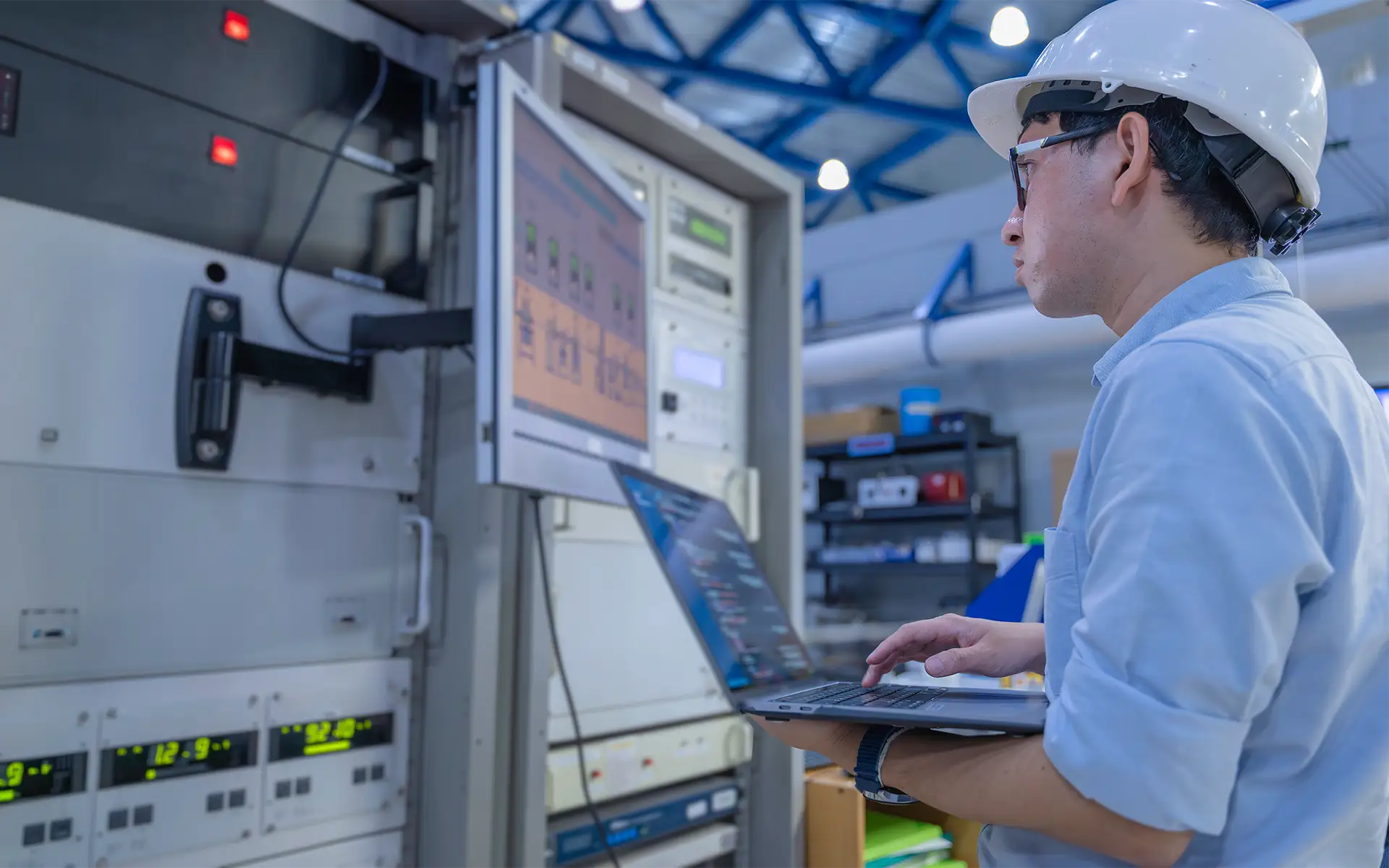
Sensors and field devices are basically the eyes and ears of industrial control systems. They serve as the starting point for the system's process, collecting real-time data from the environment (e.g., temperature, pressure, flow, or position) and then sending it back to trigger action. Field devices are the physical equipment located on the plant floor or within the process environment that interact directly with real-world conditions. Sensors are a type of field device that continuously measure environmental variables such as temperature, pressure, flow, level, and position.
Controllers (PLCs, RTUs, DCS Controllers)
Controllers enable automated decision-making and ensure processes run efficiently and consistently. They process the collected sensor data and compare it with programmed logic to determine execution commands. Controllers include programmable logic controllers (PLC), remote terminal units (RTU), and distributed control system controllers (DCS).
Actuators
Actuators physically perform the work in response to the controllers' commands. Depending on the system, this can be opening or closing valves, starting or stopping motors, or adjusting mechanical components. There are three common types of actuators used in industrial control systems: pneumatic (compressed air), hydraulic (pressurized oil), and electric (voltage/motors).
HMI – Human-Machine Interface
The HMI, or human-machine interface, is where engineers and operators interact with the industrial system. Typically a dashboard-style interface, it offers monitoring and control of the machine(s). For example, using the HMI, an engineer can monitor temperature trends, check alarms, or tweak machine settings. Through this operator-facing dashboard, operators can easily check system status and alarms, or enact manual overrides.
Communication Networks and Protocols
Communication networks and protocols work together to transmit actionable data among industrial devices, enabling automation of industrial processes. The communication network is the hardware, such as copper cables, fiber-optic cables, wireless transceivers, and switches, that physically connects programmable logic controllers (PLCs), sensors, and actuators. The protocols include the programmable logic, or established set of rules, syntax, and messaging formats, that dictate how data is received, sent, and understood by devices across that network.
SCADA Software and Historians
SCADA and historians both handle data in industrial environments. However, they play distinct roles and serve different purposes. SCADA systems monitor and control industrial processes in real time, providing operators with a comprehensive view of the system's status. Historians primarily focus on data storage and analysis. They capture vast amounts of time-series data for future reference and trend analysis to support decision-making.
ICS Architecture: How the Layers Work Together
Industrial control system architecture follows the Purdue Model, an international standard and architectural framework that organizes industrial and manufacturing control systems into hierarchical layers. The model architects the system into different layers or levels:
| Level 0: Physical Process | The physical machinery, sensors, and actuators driving the process itself. |
| Level 1: Basic Control | Controllers and programmable logic controllers (PLCs) that read sensors and execute commands. |
| Level 2: Supervisory Control | Supervisory systems (SCADA, HMIs) that monitor and control the physical process. |
| Level 3: Site Operations | Manages production scheduling, historical data, and supervisory operations (e.g., historians, domain controllers). |
| Level 4: Site Planning/Logistics | Includes enterprise applications like ERP, supply chain, and manufacturing execution systems. |
Within this architecture, captured data flows sequentially up and down the hierarchy.
Beginning at Level 0, the physical sensors gather real-time data and send it to controllers that process it to run machinery. Next, supervisory systems display it to human operators, and the operational data moves up to business networks for analysis and application. Within the Purdue Model, the boundary between Level 3 and Level 4 in industrial control systems is where OT and IT networks meet. This layer prevents direct communication between enterprise IT and core control hardware and hosts proxy servers and data historians, so the system can safely share information upward without exposing the control floor.
Industries That Rely on Industrial Control Systems
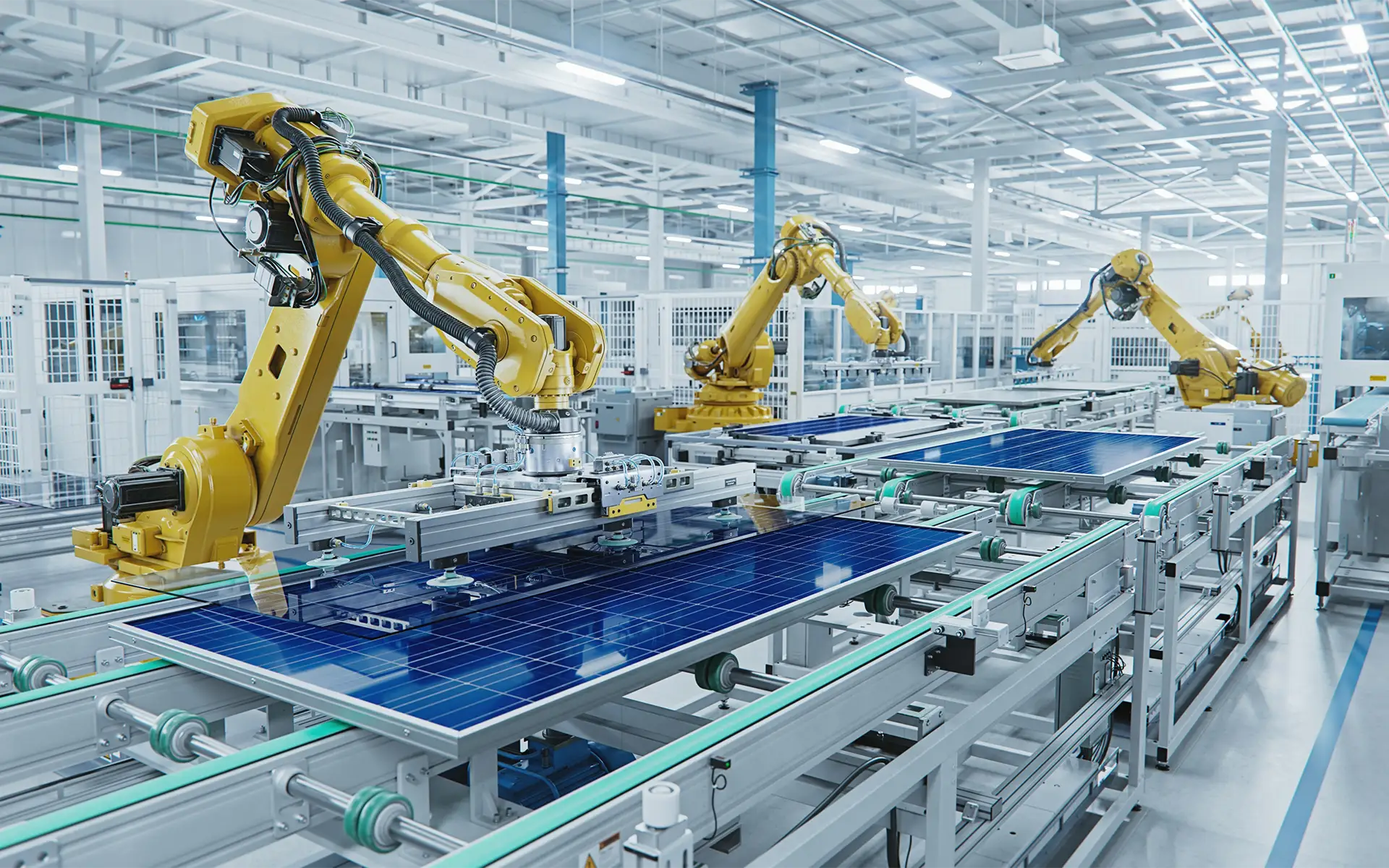
Industrial automation and control systems are instrumental to a wide range of industries that need to automate and manage industrial processes efficiently. Industries like manufacturing, energy, transportation, and more rely on ICS to maintain safe and reliable operations.
- Manufacturing: factory automation, assembly lines, robotics, packaging systems
- Energy / Utilities: power generation, transmission, distribution systems
- Water / Wastewater: treatment plants
- Oil / Gas: exploration, refining, and pipeline operations
- Transportation / Infrastructure: rail systems, traffic management, airport operations
- Food / Beverage Processing: automated mixing, cooking, packaging, sanitation processes
Reliable Industrial Control System Components
Peerless Electronics plays a vital role in powering industrial control systems by supplying the high-performance components that keep systems running safely and reliably. As an authorized stocking distributor to the globe’s leading manufacturers, you’ll find the essential components of industrial control systems, such as sensors, switches, relays, circuit protection, and interconnect solutions. Plus, we offer essential value-added services, such as custom cable assemblies and kitting, to help streamline system integration and reduce downtime. Find the trusted components for reliable industrial automation and control system operations today!