


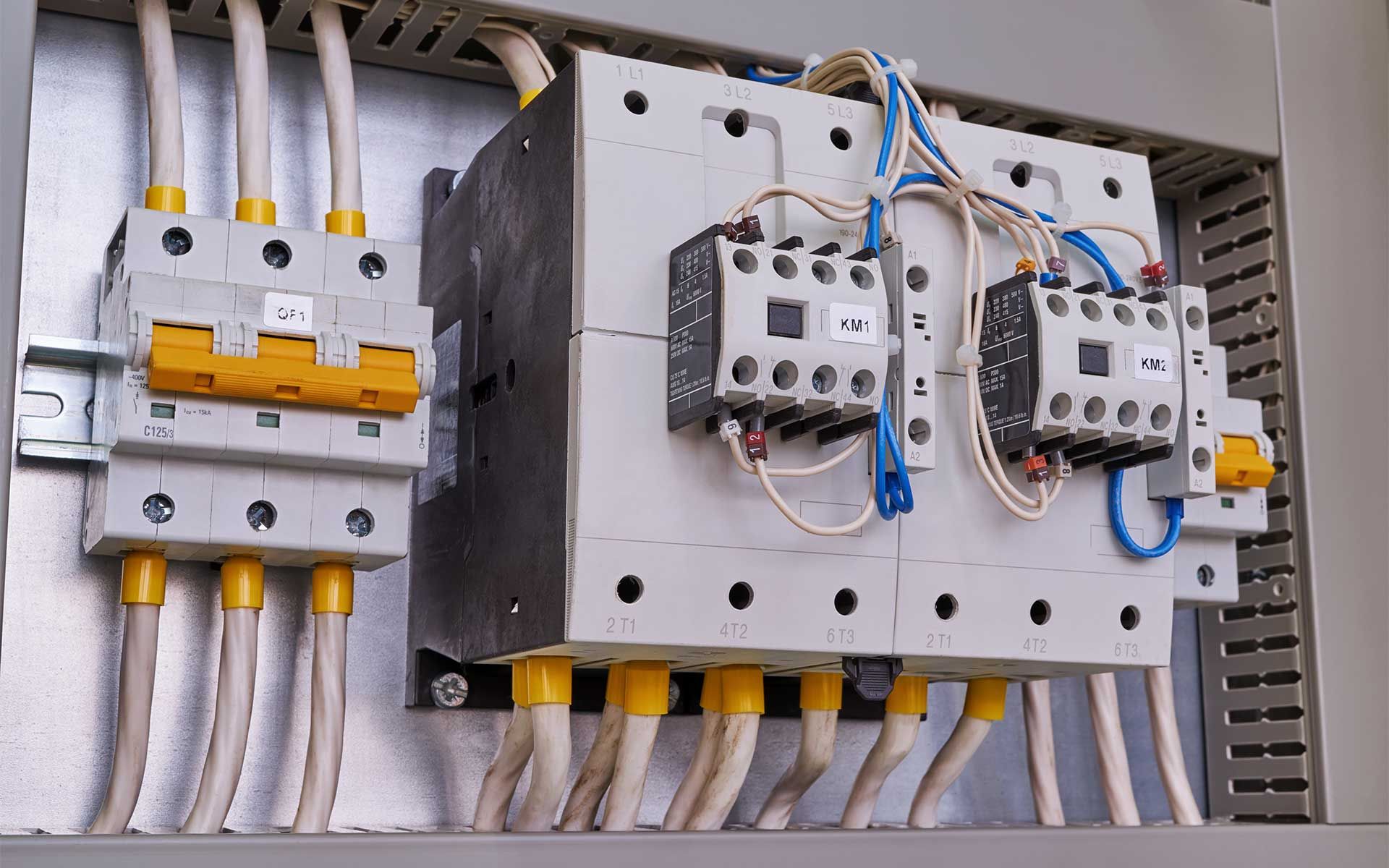

As a heavy-duty electrical switching device, a power contactor protects sensitive equipment from dangerous electrical loads during operation. It acts as a controlled gateway between power and equipment to help prevent overheating, electrical faults, and catastrophic system failures. Whether starting large motors or managing automation equipment, power contactors provide essential protection to both systems and operators in industrial and commercial systems.
Today, we’re discussing how power contactors work, exploring common types, reviewing typical applications, and providing guidance on choosing the right one. Whether used in manufacturing facilities, commercial buildings, or control panels, power contactors are foundational to reliable high-current electrical performance.
What Is a Power Contactor?
Industrial systems require significant electrical current to start and operate. Without a dedicated device to manage that load, system integrity is at risk. For example, starting a large motor without proper load control can result in severe arcing, overheated wiring, or even fire hazards caused by intense inrush current.
A power contactor is a heavy-duty electrical contactor designed to control these high-current loads in industrial and commercial environments. It enables operators and automation systems to safely manage equipment such as large motors, HVAC units, compressors, pumps, and automated machinery. While similar in concept to a relay, a power contactor is engineered for much higher current capacity, increased durability, and frequent switching under load. A main power contactor often serves as the central switching device within a panel or motor control center, connecting or disconnecting primary system power.
In high-power applications, power contactors are not optional components. They are fundamental to protecting equipment, maintaining electrical reliability, and ensuring safe operation.
How a Power Contactor Works
A power contactor creates electrical isolation between the control circuit and the power circuit through electromagnetic actuation. This action allows high-current equipment to be managed safely using a lower-voltage signal. The process begins in the control circuit. When an operator presses a start button or an automation system sends a signal, a low-voltage current energizes the contactor’s internal electromagnetic coil. Once energized, the coil generates a magnetic field that pulls a movable armature toward it.
As the armature moves, it mechanically closes a set of heavy-duty main contacts inside the contactor. These contacts are part of the power circuit and are specifically designed to handle high-voltage and high-current loads. When they close, electrical current flows from the power source to the connected equipment, allowing it to start and operate. When the control signal is removed, the coil de-energizes, and the magnetic field collapses. Springs inside the contactor then return the armature to its original position, opening the main contacts and interrupting the power circuit.
Therefore, a power contactor’s electromagnetic action allows a relatively small control signal to safely switch large electrical loads while keeping sensitive control components isolated from high-power conductors.
Key Components of a Power Contactor
The power contactor includes three main components: a coil, contacts, and an enclosure. The coil is the electromagnetic element that controls an armature’s movement. The contacts are metal elements that carry high current and are engineered to resist wear. The enclosure protects the internal components from dust, moisture, and mechanical damage. Many contactors also include arc suppression mechanisms, which reduce electrical arcing during switching, minimizing heat and extending component life.
Power Contactor Working Principle
Power contactors initiate when a low-voltage control signal energizes the coil. The coil, in turn, generates a magnetic field that pulls the armature to close the heavy-duty contacts. This completes the power circuit, allowing high-current electricity to flow to the connected equipment, such as motors. When the control signal is removed, the coil de-energizes, and the magnetic field collapses. Next, springs return the armature to its original position, opening the contacts and interrupting the circuit. This precise, repeatable cycle ensures that high-current loads are safely switched on and off while keeping control components isolated from the full power load.
Types of Power Contactors
We classify power contactors by current type, phase configuration, and intended application. Choosing the right contactor depends on whether the system uses AC or DC, the number of phases, and the specific equipment being controlled. The following are the main types of power contactors and their typical applications, which can help guide proper selection for industrial and commercial electrical systems.

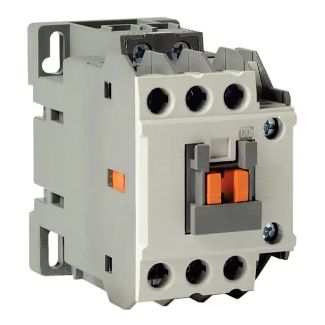
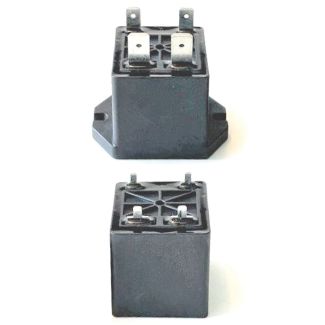
AC Power Contactors
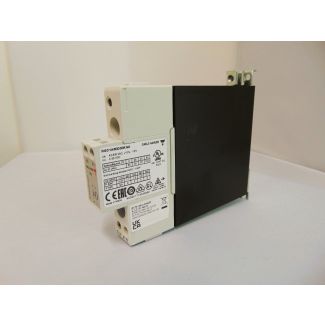
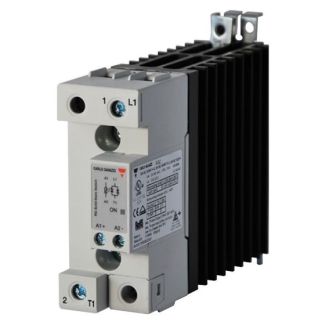
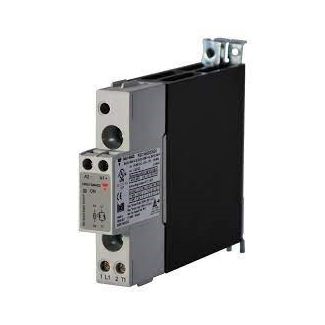
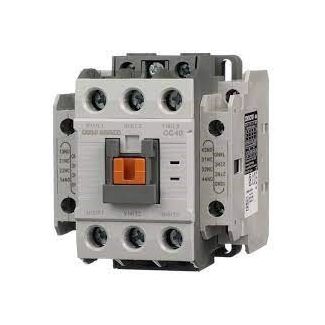
This is the most common type used in industrial and commercial systems. As the name indicates, an AC power contactor is designed specifically for alternating current (AC). They are capable of handling frequent on/off cycles and the inductive loads typical in AC circuits. The AC power contactor is widely used to control motors, compressors, pumps, and HVAC equipment. Built to resist wear and arcing under continuous operation, these power contactors are ideal for high-demand environments that need durability and reliability.
DC Power Contactors
DC power contactors are designed for direct current applications, which present unique challenges compared to AC systems. Unlike AC, DC does not naturally pass through zero voltage, so switching can create prolonged arcing that wears down contacts more quickly. DC power contactors often include enhanced arc suppression mechanisms to safely interrupt high-current DC loads. They are commonly used in battery systems, solar inverters, electric vehicles, and other industrial applications where traditional AC contactors would be unsuitable.
3 Phase Power Contactors
Three-phase electrical systems, which are standard in industrial motors and heavy equipment, typically use a 3 phase power contactor for switching. These contactors include three sets of contacts to simultaneously control three separate power lines (L1, L2, L3), enabling balanced load management, efficient motor startup, and coordinated shutdown. Their robust design ensures minimal wear and long service life, even under frequent cycling and demanding operational conditions.
3 Pole vs 4 Pole Power Contactors
A 3 pole power contactor switches the three main phases of a system and is commonly used for standard three-phase motors. A 4 pole power contactor adds a fourth contact to switch the neutral line, providing additional safety and isolation in certain systems. Neutral switching is critical when controlling loads that could create unbalanced currents or where complete disconnection is required. In practice, a 3 pole power contactor is the standard choice for switching three-phase systems, while the 4 pole version adds neutral control for additional safety in specific applications.
Power Factor Contactors
A power factor contactor (PFC) is used to switch capacitor banks in and out of an electrical circuit. It helps manage reactive power by controlling these capacitors, improving energy efficiency, stabilizing voltage, and reducing energy costs in industrial facilities. The power factor contactor is built to handle the high inrush currents that occur when capacitors are engaged, which ensures safe and reliable operation over time. They are an essential component of energy management systems, helping maintain an optimal power factor to ensure equipment performance and compliance with utility requirements.
Air Break Power Contactors
The air break power contactor uses an air gap between contacts to interrupt current and extinguish arcs during switching. This design makes it suitable for industrial and utility-scale applications, such as power distribution, large motor control, and heavy-duty machinery. An air break power contactor provides high reliability and operational longevity in environments where frequent switching and high-voltage loads could otherwise degrade standard contacts.
Power Contactor Applications
We commonly find power contactors in industrial electronics solutions to safely manage high-current electrical loads in industrial machinery and automated systems. In manufacturing and production facilities, they control large motors, pumps, compressors, and conveyor systems, enabling equipment to start, stop, and operate reliably without overloading control circuits.
Automation systems rely on them to provide precise and repeatable switching for robotic equipment, assembly lines, and material handling systems. These contactors ensure consistent operation and protect sensitive electronics from damage by safely handling frequent on/off cycles under high current.
In high-current environments, such as heavy-duty motor control and industrial power distribution, power contactors provide critical protection against overheating, arcing, and electrical faults. Their durable contacts, robust coils, and arc suppression features allow them to safely manage large loads over long service life.
How to Choose the Right Power Contactor
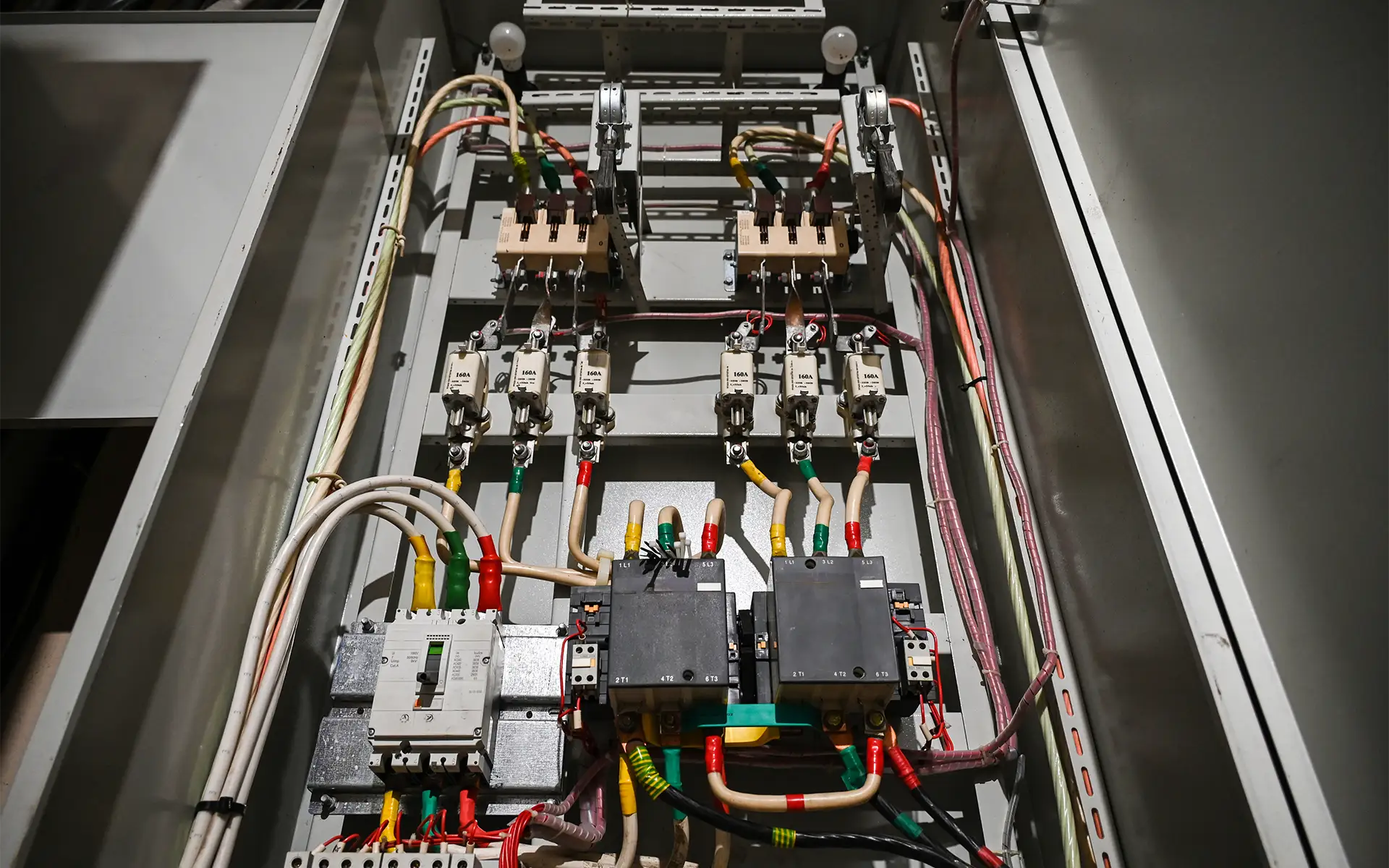
There are several technical factors to consider when selecting the appropriate power contactor for an application. Current rating is critical, as the contactor must safely handle both running and inrush currents for the connected equipment. The appropriate voltage rating ensures the device can operate reliably within the system’s supply parameters.
Choosing between AC and DC power contactors depends on the type of electrical system, as DC loads present different switching challenges and require enhanced arc suppression. The duty cycle, i.e., how often the contactor will operate, also affects selection and expected service life.
Environmental conditions, including temperature, humidity, dust, and vibration, also influence which power contactor and enclosure types are appropriate for safe and reliable operation. Other considerations may include the number of poles, auxiliary contacts for control signaling, and compatibility with automation systems.
Benefits of Using Power Contactors in High-Current Systems
Manual switches can technically be used to control high-current equipment, but they are impractical and unsafe for most industrial or automated applications. Large motors, HVAC systems, and automation equipment, for example, often draw very high currents (especially during startup). Flipping a manual switch under these loads can cause severe arcing, overheating, contact welding, or even fire hazards.
Power contactors are the optimal choice when managing high-current equipment. They enhance safety by isolating sensitive control circuits and system operators from high-voltage and high-current loads. Their distinctive contacts and coil design allow for frequent operation under demanding conditions without excessive wear.
A high power contactor also improves efficiency. They enable precise control of systems while reducing downtime caused by overloads or electrical faults. In industrial and automated environments, power contactors also provide scalability, allowing systems to expand or integrate additional equipment without redesigning control panels.
Why Power Contactors Are Critical in Modern Electrical Systems
In today’s industrial and automated systems, safely controlling high-current electrical loads is critical. Power contactors provide that control by isolating sensitive control circuits from high-current power. This protects equipment, wiring, and personnel from overloads, arcing, and potential electrical faults. Thanks to durable contacts, coils, and arc suppression features, power contactors allow frequent switching without compromising performance. This makes them essential for demanding applications such as motors, pumps, compressors, HVAC systems, and automated manufacturing equipment.
Power contactors' ability to ensure reliable operation under high-current conditions supports the longevity, efficiency, and safety of high-demand systems. In modern, high-power applications, they are essential to maintaining operational continuity and minimizing downtime.
Find power contactors online at Peerless Electronics. As an authorized distributor of the world’s leading manufacturers, we guarantee the authenticity and high quality of our components. Customers sourcing contactors for industrial and other high-power applications can leverage our extensive value-added electronic services for selection, customization, or sourcing support. Whether designing a new system or maintaining an existing one, we provide the reliable parts, expert guidance, and tailored solutions you need to safely and efficiently manage high-current applications.