



Safety is paramount in the world of electronics, especially when it comes to intricate systems like industrial control panels. For this reason, Underwriters Laboratories developed UL 508A as the safety benchmark for these control panels, which signals customers and inspectors that specific safety and performance standards have been met.
In this article, we’re exploring the UL 508A certification and its requirements, implications for OEMs and facilities, how it compares to UL 508, and more.
What Is UL 508A?
As a global safety science organization, Underwriters Laboratories (UL) develops standards and tests electrical equipment for safety, reliability, and performance. A UL certification, also referred to as UL Listed, means the complete product has been thoroughly tested and approved to operate safely as intended. The UL 508A certification is specific to completed industrial control panels, demonstrating that panel construction meets UL’s rigorous construction, wiring, and labeling requirements. Recognized by the National Electrical Code (NEC) and trusted by inspectors, industrial control panels manufactured to meet these UL safety requirements help ensure compliance and provide safety peace of mind.
Who Needs UL 508A?
Although a UL 508A certification is legally mandatory, compliance is often required by industrial equipment purchasers, electrical inspectors, and insurance providers. For this reason, UL 508A certification benefits entities involved in the production or installation of industrial control panels, including the panel manufacturers, OEMs using the panels, system integrators, compliance professionals, and facility owners or operators. Meeting these standards facilitates faster approvals, reduces change orders, and reduces delays during permitting and installation.
Why UL 508A Certification Matters
Industrial control panels that meet the UL 508A standard signal manufacturers, system integrators, facility owners, and inspectors that the panel follows the design and electrical control wiring standards developed to protect people, property, and operations. In industrial electronics, meeting these standards reduces risk and ensures compliance, thereby minimizing liability for both manufacturers and end-users. Furthermore, the NEC recognizes UL 508A as the standard for designing and constructing industrial control panels, including the labeling of Short-Circuit Current Ratings (SCCR), ensuring installation compliance.
UL 508A vs UL 508 vs Other Standards
UL 508A should not be confused with UL 508, which is an older standard replaced by UL 60947-4-1. Although both UL 508 and UL 508A address industrial controls, UL 508 addressed the safety of industrial control equipment components, such as switches, relays, and motor controllers, rather than the panel as a whole. It has since transitioned to UL 60947-4-1 to align with international standards.
Other UL standards related to specific systems or machinery include:
- UL 61800-5-1: adjustable speed drive systems
- UL 61010: electrical equipment for measurement, control, and laboratory use
Core UL 508A Certification Requirements

Meeting the requirements of the UL 508A certification process ensures that industrial control panels meet rigorous safety, performance, and compliance standards. Since the certification covers the entire assembled panel, not just individual components, it verifies that the wiring, grounding, labeling, and protective measures meet recognized industry standards. Industrial control panels built according to these requirements demonstrate to inspectors and customers that they are safe to operate, code-compliant, and inspection-ready.
The core requirements of UL 508A certification include the following:
Components & Ratings
All industrial control panel components must be either UL-listed or UL recognized, and the electrical and temperature ratings must be appropriate for the application while meeting the NEC’s requirements. To ensure proper spacing stability and spacing, the components should also be securely mounted using approved methods, such as DIN rail (TS-35) mounting hardware.
Circuit Protection & SCCR (Supplement SB)
There must be SCCR labeling on panels to indicate the maximum short-circuit current they can safely handle. To determine the SCCR, Supplement SB of UL 508A provides an analytical method, which we’ll outline in more detail a little later in this article.
Wiring Methods & Conductor Sizing
There must be a clear separation of power and control circuits, as well as proper wire sizing, insulation, routing, and secure terminations.
Enclosures, Spacings & Environmental Ratings
The physical panel construction must have proper spacing, mounting, and component access, and the enclosure must protect components from environmental hazards, such as moisture, dust, and mechanical damage.
Marking & Label Requirements
To meet UL 508A label requirements, panels must include the UL 508A label and clearly indicate voltage, phase, and other critical ratings.
Determining SCCR Using Supplement B
Supplement B of UL 508A provides a simple method for calculating the SCCR of an industrial control panel without physical testing. It involves three steps, recognized by the NEC, which are as follows:
- Step 1: Assess each power circuit component, including the disconnect switches, circuit breakers, and bus bars, to determine their individual SCCRs.
- Step 2: Apply any current-limiting devices or circuit breakers, as their characteristics can modify the available fault current, potentially increasing the overall SCCR.
- Step 3: Analyze the configuration and ratings of all components to determine the panel's overall SCCR. Ensure it meets or exceeds the available fault current at the installation site.
Raising SCCR (Common Strategies)
The SCCR signifies the maximum short-circuit current an industrial control panel can safely handle. Therefore, if the panel’s existing rating is lower than the available fault current at the installation site or local codes require a higher SCCR for safety or insurance compliance, there are ways to raise it. One of the easiest solutions is to upgrade components using higher-rated breakers, fuses, or contactors that can withstand greater fault currents. You can also install current-limiting devices to restrict fault current and protect lower-rated components to increase the SCCR. And finally, a complete panel redesign, i.e., separating high-current circuits or rearranging components, can reduce exposure to short-circuit currents. No matter which method you choose, ensure it complies with UL safety requirements.
Conclusion
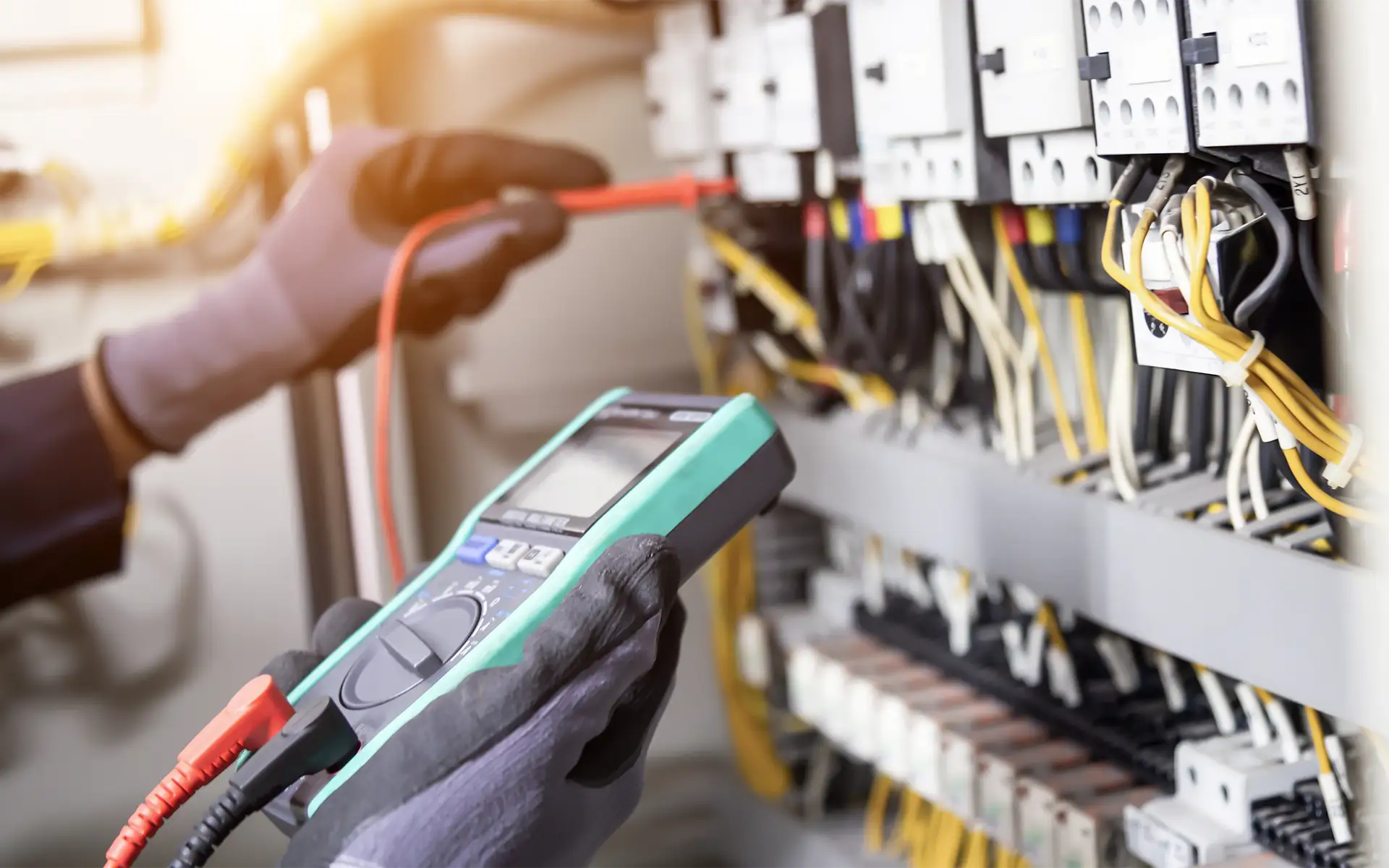
Safety and protection are critical when working with electrical equipment due to the potential risk of fire, shock, and other hazards. Fortunately, the testing and certification standards offered by Underwriters Laboratories and other entities can help mitigate these risks by ensuring equipment and systems undergo thorough testing for safety. Meeting these strict requirements ensures not only safer operations but also better performance and reliability. UL 508A certification also simplifies inspections and supports compliance with electrical codes, supplying greater confidence and peace of mind.
Peerless Electronics works tirelessly to source components from trusted manufacturers, ensuring everything we sell is of the highest quality. As an employee-owned authorized stocking distributor, we strive to deliver total customer satisfaction with every order, including over 50 value-added services and assemblies.