




When you combine “electronics” and “aviation”, you get avionics. What is avionics? Essentially, any electronics or electronic equipment related to aviation is considered avionic. Aviation systems make modern flight possible and generally include the flight controls, indicators and displays, communication, navigation, weather, system monitoring, and anti-collision systems. These systems work together to ensure precision, safety, and situational awareness for pilots and crew.
In both commercial and military aviation, avionics play a vital role in automating flight operations, enhancing performance, and reducing pilot workload. In this blog, we deep dive into avionics technology, examining its history, evolution, and significance in today’s aircraft, as well as what the future holds for this ever-advancing field.
The Origin and Evolution of Avionics
The term "avionics" was coined in 1949 by Philip J. Klass, a senior editor at Aviation Week & Space Technology magazine, to describe the electronics used in aviation. However, avionics in aircraft dates back even earlier, when radio communication first took flight just prior to World War I.
The first airborne radios were in zeppelins, the large, rigid airships used for passenger travel in the early 20th century. However, the military drove the development of lighter radio sets that could be carried by reconnaissance biplanes. These compact systems enabled the flight crew to send their observations back in real-time, ensuring valuable information was not lost if the plane was shot down.
The next major avionic advancement occurred in the 1930s with the invention of radar, initially developed as an air defense system, leading up to World War II. Radar became the foundation for modern aircraft navigation and air traffic control. In fact, many avionic systems have their origins in wartime developments of World War II. Aside from radar, autopilot systems also began as specialized systems to help bomber planes fly steadily enough to hit precision targets from high altitudes.
After the war, advances in electronics and computing revolutionized aircraft avionics. The introduction of transistors and solid-state components enabled aircraft to be lighter, faster, and far more reliable. By the 1970s, glass cockpits (i.e., digital displays) had replaced analog gauges with integrated digital displays, providing pilots with access to real-time flight data.
Today’s avionics continue to evolve through the use of GPS navigation, satellite communication, and fly-by-wire systems, which replace manual flight controls with computer-assisted precision. As automation and artificial intelligence (AI) advance, the next generation of avionics technology aims to make flight even safer, smarter, and more efficient.
What Are Avionics Systems? Key Components Explained

Avionics systems encompass the electronic components that enable an aircraft to communicate with the ground and fly safely and efficiently. These systems work together to control flight navigation, communication, and more, ensuring pilots have the information and automation needed to fly modern aircraft with precision.
Communication Systems
It’s not surprising that communication has driven the advancement of aircraft electronics over the past century, as it’s one of the most important systems for flying. Avionic communication systems include radios, transponders, and other electronic devices that pilots use to communicate with ground crews and air traffic control. In military aircraft, these avionics systems can also connect with satellites for even more situational awareness.
Navigation Systems
Avionic navigation systems enable pilots to know exactly where they are, plan the most efficient route, and safely reach their destination. Today’s navigation systems rely on several technologies, including Global Positioning Systems (GPS), Flight Management Systems (FMS), and Inertial Navigation Systems (INS).
GPS uses signals from satellites to pinpoint an aircraft’s exact location anywhere in the world, providing real-time position data. FMS is a computer-based system that uses GPS (and other inputs) to plan and optimize flight routes, manage fuel usage, and guide the aircraft. Finally, INS measures an aircraft’s motion using gyroscopes and accelerometers, so it can track positioning when GPS signals are weak or unavailable.
Flight Control and Monitoring Systems
These crucial aviation systems help pilots safely operate aircraft by providing critical information and automated support. One of the most well-known is the autopilot system, which can control the aircraft’s flight path, e.g., maintaining altitude, heading, and speed, without assistance. Autopilot systems help reduce the workload of pilots during long flights or complex maneuvers.
Monitoring systems include various gauges, dials, and instruments located in the cockpit to help pilots assess conditions. They continuously track performance, fuel usage, temperature, and other key metrics to manage potential issues before they become critical. More modern aircraft feature “glass cockpits” that use digital avionic displays instead of traditional analog gauges to present flight information. So, rather than having to manipulate and monitor dozens of separate dials and instruments, pilots can view integrated screens that display flight data and system alerts all in one place.
Safety and Warning Systems
These avionic systems are crucial for air safety, enabling pilots to anticipate and avoid potential hazards. Radar and weather detection systems provide real-time information about surrounding weather conditions, so pilots can navigate safely around storms and turbulence.
Pilots also rely on avionics technology to avoid collisions in the air and on the ground. The Terrain Awareness and Warning Systems (TAWS) alert pilots if the aircraft is approaching the ground or other terrain too quickly, while Traffic Alert and Collision Avoidance Systems (TCAS) monitor nearby air traffic and issue alerts to prevent midair collisions.
Avionics in Modern Aircraft
Rapid innovations in avionics technology are advancing and connecting modern flight decks more than ever. Modern systems are integrating automation, digital data links, and touchscreen displays to streamline pilot tasks and improve operational efficiency. While older aircraft relied on analog instruments and manual controls, modern aviation electronics feature interconnected systems that can manage flight paths, monitor performance, and communicate with ground operations in real-time.
Technology, such as real-time diagnostics, AI-powered analytics, and IoT-enabled sensors, enables aircraft to detect potential issues early, optimize performance, and enhance safety through predictive maintenance. For example, barcode services in aerospace tracking integrate barcode data to automatically update maintenance logs and predict component replacement schedules. Today’s avionics systems help create a more connected, data-driven flight environment that supports more accuracy and reliability while reducing the pilot’s workload.
The Future of Avionics Technology
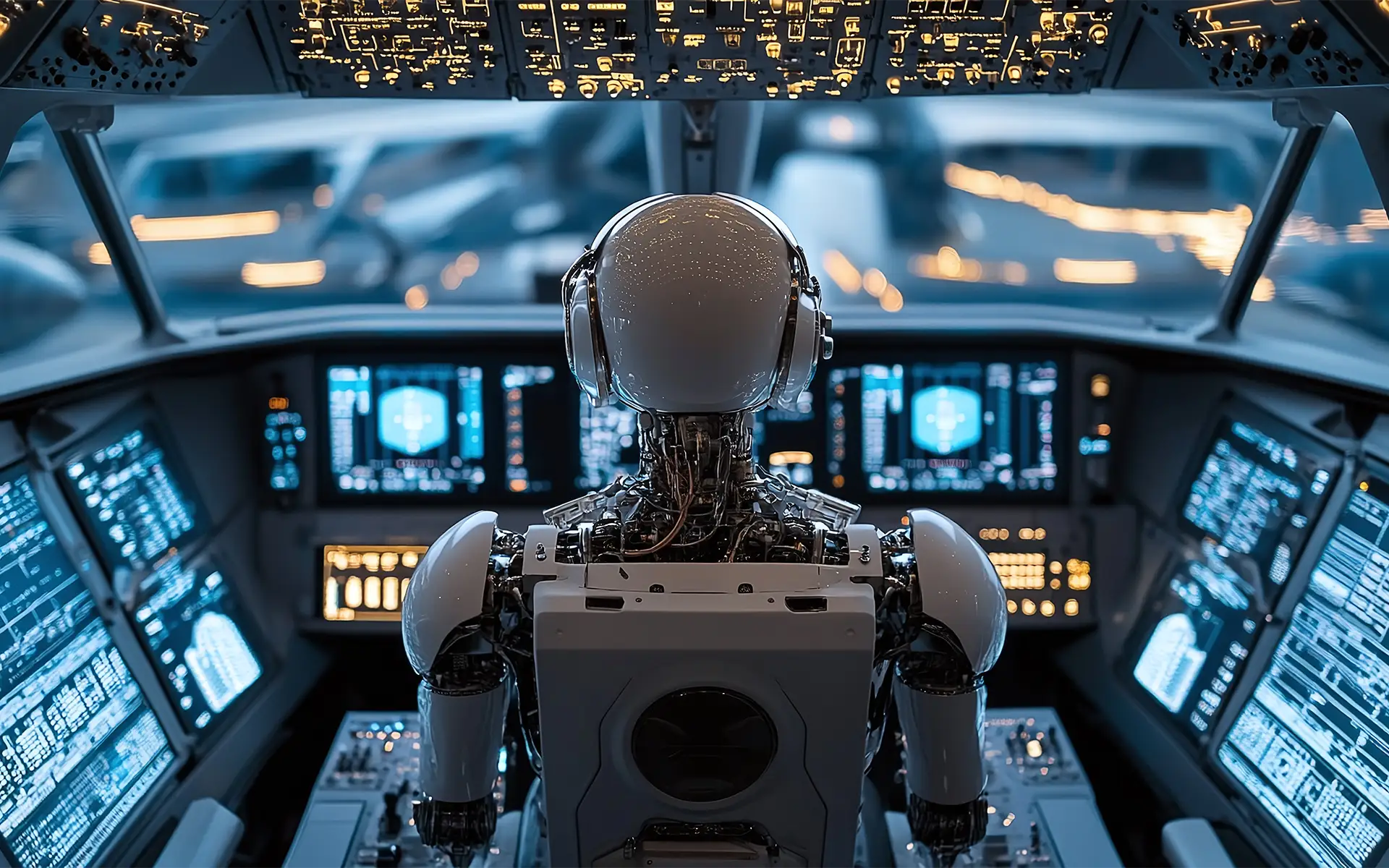
As avionics technology continues to advance and evolve, flying will only become more efficient and safer. The rapid adoption of AI is facilitating AI-assisted navigation, which can enhance decision-making by analyzing vast amounts of environmental and flight data in real-time. Augmented Reality (AR) has the ability to project critical flight information directly into the pilot’s field of view, thereby improving situational awareness. Already used for data transmission and sensing, optoelectronics in avionics is poised to drive faster, more reliable communication and precise system monitoring with reduced interference.
Additionally, as aerospace manufacturers continue to adopt data-driven flight control systems, cybersecurity will also play a crucial role in protecting these highly interconnected networks. The future of avionics lies in seamless integration. We will see intelligent systems continue to evolve, making flying safer, more efficient, and more responsive than ever before.
Peerless Electronics is a leading authorized distributor for aerospace electronics, offering components from the industry’s most trusted manufacturers. Furthermore, Peerless is a CMMC Level 2 (C3PAO) compliant business, ensuring supply chain security with DoD-approved data security.
Frequently Asked Questions About Avionics
What are examples of avionics systems?
Avionics systems encompass a wide range of aviation electronics and technologies that enable aircraft to operate safely and efficiently, including communication and navigation systems, autopilot systems, and anti-collision systems.
What are the main components of an avionics system?
Aircraft avionics systems integrate communication, navigation, flight control, safety, and monitoring technologies to ensure safe and efficient flight operations.