




Electricity is the backbone of modern industry, powering everything from manufacturing systems to data infrastructure. In high-performance environments, even a minor electrical fault can result in downtime, equipment damage, or fire hazards - all costly, even hazardous, outcomes without proper detection and protection. Fortunately, preventative solutions like arc fault circuit breakers can detect and stop potentially dangerous arcing conditions that standard breakers can miss.
In this blog, we’ll explain what arc fault circuit breakers are, how they work, and where they apply in industrial and high-performance electronics applications, as well as offer some general troubleshooting tips.
What Are Arc Fault Circuit Breakers
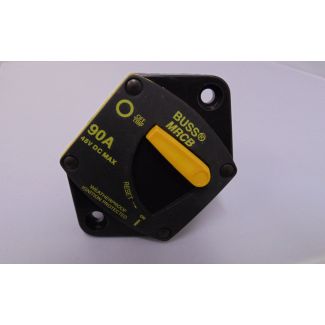
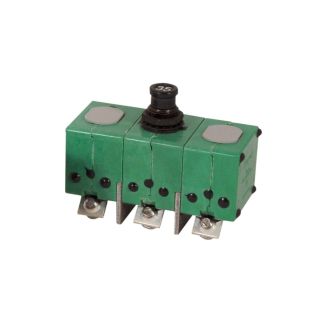
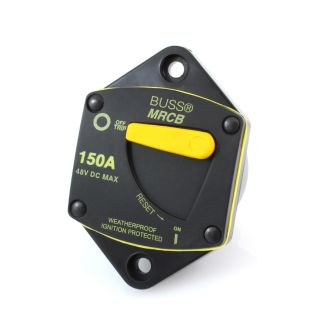
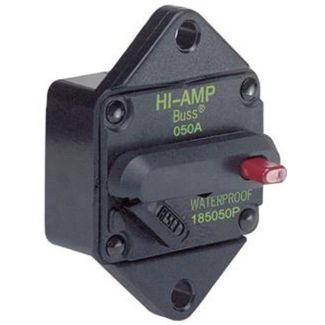
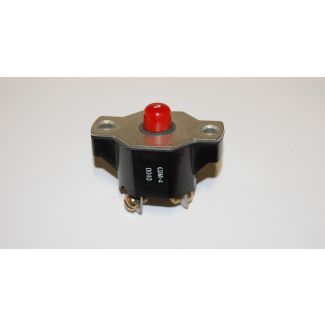
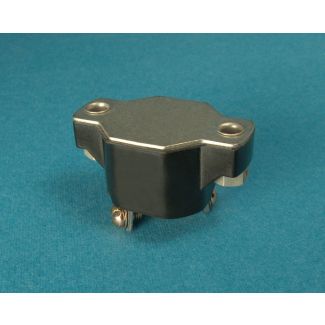
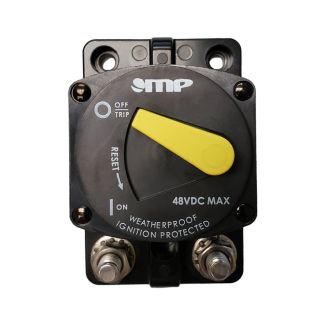
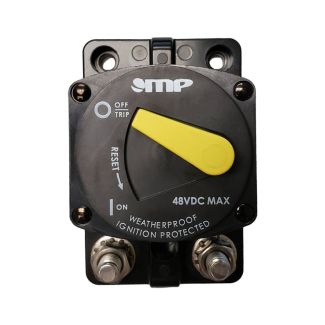
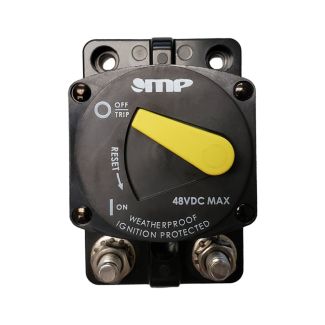
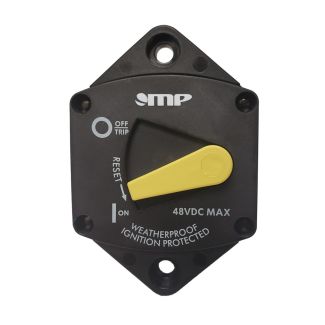
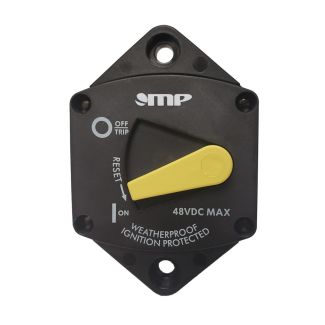
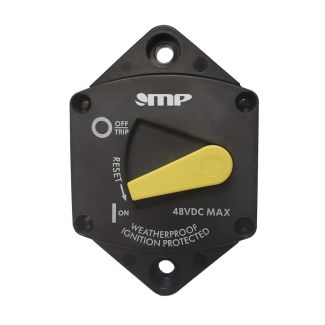
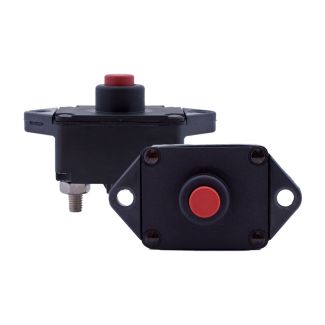
Arc fault circuit breakers are a type of circuit breaker designed to detect and interrupt dangerous arc faults in electrical circuits, like sparks or unintended electrical discharges that can lead to fires. Unlike standard circuit breakers, which only respond to overloads or short circuits, these advanced safety devices are engineered to recognize the electrical signatures of arcing conditions, shutting down power before escalation.
In high-performance electrical applications, such as industrial control systems or aerospace electronics, picking the right circuit breaker is critical. These environments often face challenges like mechanical wear, vibrations, or degraded insulation, increasing the risk of arcing. Arc fault circuit breakers offer a reliable layer of protection tailored to these demanding conditions.


Arc Faults and AFCI Technology
In environments with complex electrical systems, arc faults can be a serious hazard, occurring when damaged or deteriorated wiring causes electricity to jump across gaps. This jump produces intense heat capable of igniting surrounding materials. We generally categorize arc faults as series or parallel arc faults. A series arc fault occurs along a single conductor due to a break or loose connection, and a parallel fault can occur between two conductors of different potential, such as a hot and neutral wire. Both types are typical in situations where mechanical stress, vibration, or old insulation can degrade wiring over time, like factories or aircraft.
Arc fault circuit breakers achieve this by implementing AFCI (arc fault circuit interrupter) technology, the underlying detection and response mechanism that identifies arcing conditions. The technology is implemented into the circuit breaker and uses electronic sensing and pattern recognition to monitor electrical currents, detect arc faults, and shut off power to prevent fire hazards. When it comes to the working principle of arc fault circuit breakers and AFCI technology, think of the circuit breaker component as the body and the AFCI technology as the brain that makes arc fault circuit breakers smart enough to detect arcing and intervene before damage can occur.
Where Are Arc Fault Circuit Breakers Required?
The National Electrical Code (NEC), specifically NEC 210.12, requires AFCIs for 120-volt, single-phase, 15- and 20-amp branch circuits supplying outlets or devices in residential areas such as bedrooms, living rooms, family rooms, kitchen, laundry rooms, and more. Many older homes were built before AFCI, so they may not have them installed. Local building codes may not always mandate them, even in older homes. Introducing AFCIs in older homes is considered a safety upgrade. Although the NEC primarily applies to residential and some commercial or mixed-use construction, its principles are increasingly relevant in high-performance application environments where safety is a priority.
Installing Arc Fault Circuit Breakers

General instructions for installing standard circuit breakers are detailed in our blog, How to Replace a Circuit Breaker. However, circuit breakers with an arc fault detector are a little different. For example, AFCI breakers typically include a neutral wire connection, i.e., a coiled white pigtail wire that must connect to the panel's neutral bus bar. The circuit's neutral wire connects to the breaker’s neutral terminal, allowing the AFCI to monitor both the hot and neutral conductors for arc faults. It's also critical to ensure the replacement AFCI breaker is compatible with your panel's manufacturer and model.
Installing arc fault circuit breakers in industrial or high-performance applications requires technical knowledge and precision. These environments often involve higher current loads, sensitive systems, and highly regulated wiring standards. Therefore, proper installation involves ensuring all connections are torqued to specifications and verifying that neutrals are properly isolated (not shared across circuits). Confirming that the arc fault circuit breakers do not falsely trip due to electrical noise from VFDs or industrial controls is also critical. Also, always validate the breaker’s function post-installation using test equipment.
Troubleshooting Arc Fault Circuit Breakers
Arc fault circuit breakers are highly sensitive and can trip for both genuine faults and false alarms. Therefore, troubleshooting should be systematic to determine whether the breaker protects equipment from a real hazard or something less dangerous. AFCI breakers typically fail because of an actual arc fault due to damaged wires, loose terminal connections, pinched wires, and more. False positives or “nuisance tripping” can occur from high-frequency interference from VFDs, switching power supplies, or lighting ballasts. At other times, tripping can occur from breaker malfunction, improper installation, or environmental conditions, such as excessive heat or dust within panel enclosures.
Whatever the reason, troubleshooting should be systematic and cover the following steps:
- Reset the AFCI - if it trips again immediately, there's likely a real fault.
- Check wiring and connections for damage, loose terminals, or improperly terminated conductors.
- Isolate the circuit by disconnecting loads and reconnecting them one at a time to identify the problematic device.
- Use an AFCI Tester to simulate arc conditions and verify the breaker's response.
- Inspect equipment for motorized or electronic devices with high inrush or switching noise.
- Verify neutral wiring to ensure they are not shared or bonded improperly across circuits.
- Consult equipment manufacturers’ specifications for any AFCI compatibility notes.
When in doubt, replace arc fault circuit breakers to rule out a faulty device.
Although regularly integrated to protect residential electrical circuits, arc fault circuit breakers are also instrumental for fault detection in industrial, aerospace, military, and other high-performance applications where reliability and safety are critical. As electrical systems become more complex and the demand for fault-tolerant design increases, circuit breakers with AFCI technology play a key role in preventing electrical fires and minimizing equipment damage.
Peerless Electronics offers a curated selection of high-quality arc fault circuit breakers from trusted manufacturers, like Safran Power USA, designed for industrial, aerospace, and other high-performance applications. As an authorized distributor, we ensure the authenticity and reliability of every component we carry, so you can confidently specify, reduce downtime, and maintain the highest safety standards.
AFCI FAQs
Why do arc fault breakers keep tripping?
They can trip from actual arcing faults, nuisance tripping from variable frequency drives (VFDs), switching power supplies, or poor grounding/shielding in industrial equipment.
Can I replace a regular breaker with an arc fault breaker?
Yes, if the panel supports it and the wiring is compatible. Be cautious of false trips with industrial loads.
Do lighting circuits need arc fault protection?
In residential settings, yes. It is not typically required in industrial settings, but check local codes.
Are arc fault breakers required for smoke detectors?
Usually not required in industrial or commercial installs. Residential codes may apply in mixed-use buildings.
What is the difference between AFCI and GFCI?
AFCIs are designed to prevent electrical fires by detecting dangerous arcing faults, while GFCIs (Ground Fault Circuit Interrupters) protect people from electrical shock by detecting ground faults.