




Given today’s reliance on electronics, performance and reliability are critical. One of the most prevalent threats to both is interference, specifically electromagnetic interference (EMI) and radio frequency interference (RFI). EMI refers to any disruption in an electrical circuit caused by electromagnetic energy originating from either natural or man-made sources. RFI is a specific type of EMI occurring within the radio frequency portion of the electromagnetic spectrum, typically generated by wireless signals and communication devices.
While the terms are often used interchangeably, understanding the distinction between EMI vs RFI helps us identify, manage, and prevent interference in electronic applications.
Key Takeaways
- Understanding EMI vs RFI is critical for application design and meeting performance and compliance standards.
- EMI impacts both conducted and radiated pathways, disrupting nearly all electronic systems from power equipment to sensitive control electronics.
- RFI primarily affects wireless communication systems such as Wi-Fi, GPS, and medical devices by degrading radio signal integrity.
- EMI and RFI shielding help prevent unwanted electromagnetic signals from entering or exiting sensitive areas of electrical devices.
- Effective EMI/RFI management requires combining shielding, filtering, and material selection to ensure electromagnetic compatibility and compliance.
What Is EMI (Electromagnetic Interference)?
EMI is any electromagnetic disturbance that disrupts the performance of an electrical device. System designers generally group these disturbances into two types: conducted or radiated. The first type, conducted interference, travels along physical conductors like power cords or circuit wiring. The second type spreads through the air as electromagnetic waves, e.g., via smartphones or Wi-Fi routers. Manmade causes of EMI include electric motors, power lines, and switching power supplies. In nature, the most common source of EMI is lightning.
What happens when electromagnetic interference occurs? When devices or systems are disrupted by radiated or conducted sources of electromagnetic energy, their reliability, performance, and safety can suffer. For example, interference with devices can cause glitches or system failures. EMI can also introduce errors into signals in communication or computing systems, resulting in lost or inaccurate data. In industrial control or aviation systems, interference that disrupts equipment function can pose serious safety risks.
What Is RFI (Radio Frequency Interference)?
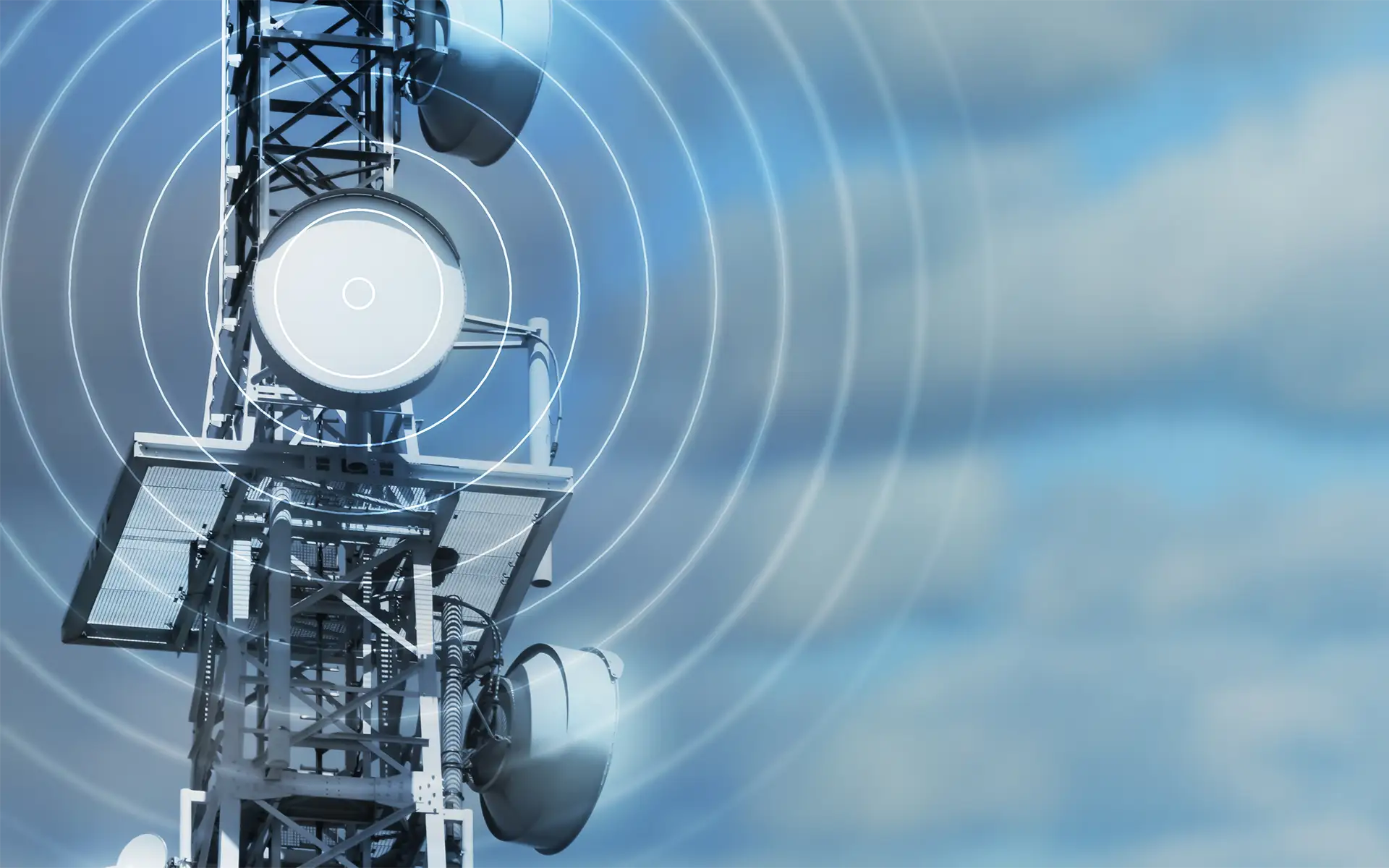
RFI is an electrical disturbance caused by radio waves. Since radio waves are a type of electromagnetic wave occurring within the radio frequency spectrum, RFI is a subset of electrical noise produced by any EMI source. In simple terms, all RFI is EMI, but not all EMI is RFI. RFI can either travel through the air as radiated energy (the most common form) or it can move along cables and conductors, where it may enter and disrupt connected systems.
Common sources of RFI include Wi-Fi routers, cellular towers, Bluetooth devices, AM/FM broadcasts, and everyday appliances like microwave ovens. This interference primarily affects wireless communications and radio-based systems that rely on clean RF signals to function properly, such as radios, GPS units, hearing aids, and certain medical equipment.
EMI vs RFI: Key Differences at a Glance
Let’s compare EMI vs RFI side by side to better understand their relationship and key differences. Although closely related, RFI is a subset of EMI, differing in sources, frequency ranges, and impact on systems.
| EMI | RFI | |
|---|---|---|
| Definition | Any unwanted electromagnetic disturbance affecting electrical circuits | EMI specifically within the radio frequency spectrum |
| Scope | Broad, includes all frequencies | Narrow, limited to RF range |
| Source Type | Motors, power lines, switching power supplies, lightning | Wi-Fi routers, cellular towers, Bluetooth, AM/FM signals, microwave ovens |
| Propagation | Conducted through wiring or radiated through the air | Primarily radiated through air, but can also travel via cables |
| Device Impact | Nearly all electronic systems | Wireless and RF-dependent devices (radios, GPS, hearing aids, medical equipment) |
| Relationship | RFI is a subset of EMI | Not all EMI is RFI |
A clear understanding of the EMI vs RFI distinctions is tremendously helpful for interference diagnosis. It’s also critical for applying the right shielding strategies in system design and troubleshooting.
EMI vs RFI Shielding: How to Protect Your Electronics
Fortunately, EMI and RFI shielding are highly effective for preventing unwanted electromagnetic signals from entering or exiting sensitive areas of electrical devices. With shielding, the electromagnetic wave’s energy is reduced, i.e., attenuated, when it passes through a conductive material, i.e., the shielding. Proper shielding ensures devices can operate without interference, or electromagnetic compatibility (EMC). The FCC, military, and other governing organizations have comprehensive EMI/RFI shielding and EMC guidelines that electronic devices must meet.
Common EMI/RFI Shielding Methods
The following common EMI/RFI shielding methods are designed to protect devices and systems from environmental interference or to prevent components from interfering with one another.
Metal Enclosures and Faraday Cages
These provide shielding by surrounding devices in a conductive, grounded metal housing that blocks external electromagnetic fields. When the interference encounters the enclosure or cage, it's redirected and distributed around the cage's exterior before it can enter. Within the enclosure, the conductive material cancels out electric fields, minimizing electromagnetic interference.
Conductive Coatings and Paints
These coatings and paints are thin conductive layers applied to the interior of an enclosure, usually a plastic housing. They offer lightweight shielding, reducing electromagnetic penetration. These conductive layers are cost-effective and well-suited to compact applications.
EMI/RFI Filters
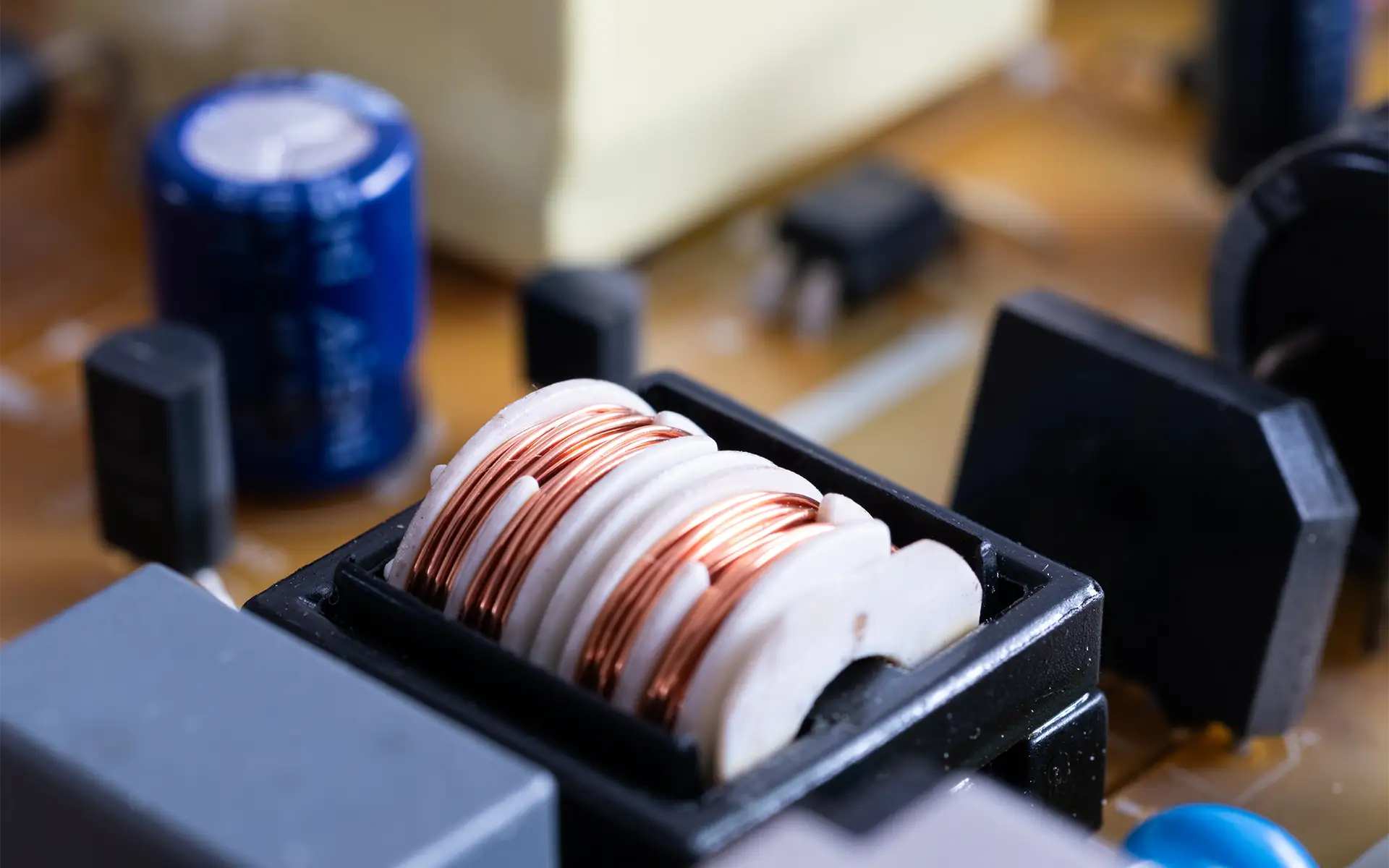
EMI/RFI filters, typically built into device power entry points, use a combination of inductors and capacitors. Working together, these passive components allow normal, low-frequency electricity to pass through while attenuating high-frequency noise. This prevents unwanted noise from entering or leaving a device through its power lines.
Ferrite Beads and Chokes
Ferrite beads and chokes are passive components that absorb and dissipate high-frequency noise. They are typically placed around cables to prevent unwanted signals from traveling along the lines without affecting normal low-frequency operation.
Shielded Cables and Connectors
Used to prevent interference pick up and emission along cable runs, shielded cables and connectors incorporate a conductive layer, typically a braided or foil shield, that blocks or contains electromagnetic energy. This helps maintain signal integrity and reduces noise in electrically noisy environments.
EMI vs RFI Shielding Coatings Explained
EMI vs RFI shielding coatings are conductive materials applied to non-conductive enclosures to attenuate electromagnetic interference. The coatings are commonly silver, nickel, or copper, and sprayed, painted, or plated onto surfaces to create a continuous conductive layer that reflects or absorbs electromagnetic energy, preventing noise from entering or escaping.
With these conductive coatings, different materials are better suited for different frequencies. Silver and copper coatings offer excellent conductivity and are highly effective for high-frequency RFI, making them ideal for applications involving wireless communication. Nickel-based coatings are slightly less conductive, but they provide more durable, cost-effective protection across a broader frequency range and for general EMI shielding. Each coating has a shielding effectiveness (SE), which is measured in decibels (dB). A higher SE value indicates greater attenuation of electromagnetic interference.
Different coating materials are better suited for different frequency ranges and application needs. Silver and copper coatings offer higher conductivity and effectively attenuate high-frequency RFI. Nickel-based coatings, although less conductive, provide more durable and cost-effective shielding across a broader frequency range. Each coating is characterized by its shielding effectiveness (SE), measured in decibels (dB), with higher values indicating greater attenuation of electromagnetic interference.
Why the EMI vs RFI Distinction Matters in Practice
Understanding RFI vs EMI is critical in electrical design, as it helps determine which type of shielding best fits the application. Shielding is important for meeting EMC compliance standards, such as FCC Part 15 for consumer electronics or MIL-STD-461 for military/defense applications. Electrical applications must pass the required EMI/RFI testing before a product or system can go to market. The choice of shielding technique depends on the scale of the EMI/RFI challenge at the application level. For example, medical devices such as pacemakers have stricter thresholds because RFI from phones can affect them.
With any application design, the right combination of filtering, shielding, and materials is essential to compliance and consistent performance. That is where a knowledgeable distribution partner becomes essential. Peerless Electronics offers an extensive range of high-quality, authorized electronic components and Value-Added services designed to support EMI and RFI mitigation. With deep industry expertise and a commitment to quality, we can help you source the right parts and improve system reliability for your industrial electronics, aerospace, defense, medical, and automotive applications.
Frequently Asked Questions: EMI vs RFI
Is EMI the same as RFI?
Not exactly. EMI (electromagnetic interference) is an unwanted electromagnetic disturbance across all frequencies. RFI (radio frequency interference) is a subset of EMI that occurs specifically within the radio frequency range. Essentially, with EMI vs RFI, all RFI is EMI, but not all EMI is RFI.
What is EMI and RFI in networking?
EMI and RFI in networking are electromagnetic interference that disrupts data transmission. EMI can introduce unwanted high-frequency noise into cables or circuits, affecting both wired and wireless systems. RFI mainly affects wireless communication, such as Wi-Fi or Bluetooth, by interfering with radio signals.
What is EMI and RFI filtration?
EMI and RFI filtration involves using passive electronic components, such as inductors and capacitors, to block or reduce unwanted high-frequency interference. EMI/REFI filters are typically placed on power lines or signal cables.
What is the main source of RFI interference?
The main sources of RFI are devices that emit radio-frequency energy, which can interfere with nearby electronics and communication systems. Common examples include Wi-Fi routers, cellular networks, Bluetooth devices, broadcast signals, and microwave ovens.