




As early as the 1930s, the DoD relied on electrical or fiber-optic connectors for severe aeronautical and tactical service applications. However, it became abundantly clear that a more reliable connector solution was necessary following repeated field failures and compatibility issues during World War II, which led to the development of military-grade connectors.
The design of these types of connectors meets the rigorous requirements of the U.S. military. Therefore, they reliably perform under extreme conditions often associated with mission-critical and aerospace conditions. In this blog, we’re exploring these rugged components in detail, including key features, common types, construction, testing, and applications. We’ll also detail how to select the right solution for your application and highlight future trends in military connector technology.
What Are Military Connectors?
Also known as military spec connectors (MIL-SPEC), these connectors are standardized circular electrical connectors. All military connector types meet U.S. military specifications for reliability, durability, and performance in extreme environmental conditions. They serve as interconnection points for electrical signals and power in demanding environments, transmitting current, data, or control signals between devices, systems, or components.
Like other MIL-spec components, military connectors must meet specific criteria outlined in MIL-DTL specifications, including requirements for materials, sealing, and EMI/RFI shielding. Typical applications for these connectors include military ground vehicles, aircraft, naval ships, communications equipment, and other mission-critical systems.
Why Reliability Matters in Defense Applications
In general, military applications, whether on the ground, in the air, or at sea, operate under demanding conditions. In these mission-critical situations, they must operate reliably despite harsh conditions, including rugged terrain, extreme temperatures, heavy vibration, and inclement weather. Communication loss or system shutdowns pose serious risks. To put it into perspective, if a fighter jet loses secure communication with its squadron due to a failed connector, it could compromise the mission and put the pilot at risk. For defense applications, reliability is critical under all conditions.
Key Features of High-Performance Military Connectors
Military connectors incorporate aerospace-grade materials engineered to withstand extreme stressors encountered in defense environments. These materials include high-quality metal alloys such as 6061-T6 aluminum and passivated stainless steel, as well as composite materials to enhance connector strength, corrosion resistance, and long-term durability. In addition to material selection, military spec connectors incorporate robust design features specifically developed to ensure reliability under stress and challenging conditions.
Rugged Environmental Protection
By design, military-grade connectors must withstand the toughest conditions. Their IP67 or IP68 ratings fully protect against dust intrusion and can withstand continuous water immersion. They also include advanced sealing features, such as O-rings, gaskets, and overmolded housings, that protect against contamination from salt spray, mud, moisture, and sand. Additionally, they can operate in extreme conditions, from arctic to desert environments and high-altitude environments, with wide operating temperature ranges (from –55°C to +200°C).
EMI/RFI Shielding for Secure Communication
Most military connector types incorporate EMI/RFI shielding to prevent electromagnetic or radio-frequency interference from disrupting sensitive electronics. Their 360° conductive metal shells, shielded backshells, and precision grounding paths block unwanted noise. In systems such as radar, avionics, and secure communication networks, shielding is critical, as even minor interference can distort data, degrade performance, or reveal positioning.
Vibration and Shock Resistance
As learned during WW II, connectors will fail if not engineered to withstand intense vibration and impact. Therefore, military connectors combat these conditions with threaded, bayonet, or quick-disconnect coupling mechanisms to ensure secure connection. Also, internal features such as contact retention clips, anti-decoupling mechanisms, and resilient insulators prevent signal interruption during shock events.
High-Density Contact Arrangements
Many military systems require the transmission of large amounts of data and power through a compact interface. Therefore, military spec connectors feature multi-pin configurations that support complex power distribution, high-speed data transfer, and mixed-signal applications. This high-density layout also reduces the number of separate cables and connectors needed, which is essential when space is limited, but performance demands are high.
Common Types of Military Connectors
There are various military-grade connector families, each with defining characteristics.

MIL-DTL-38999 Connectors
These high-density circular connectors are common in aerospace and defense applications. Light and durable, they offer high vibration resistance, support high contact densities, and offer EMI/RFI shielding.
MIL-C-5015 Connectors
Now classified as MIL-DTL-5015, these legacy military circular connectors are widely used for rugged power and signal transmission. Their durability and simplicity make them a good fit for ground vehicles, industrial equipment, and older military platforms.
MIL-DTL-26482 Connectors
These compact, quick-disconnect connectors are ideal for tight spaces. Their bayonet coupling mechanism enables fast mating and unmating, which is well-suited for avionics or communications gear.
Rectangular Military Connectors
Used when tight packaging or modular configurations are required. Their flat, compact footprint enables high contact density in control panels, vehicle systems, and missile electronics.
Military Cable Assemblies
These cable assemblies offer plug-and-play field deployment. Built to meet military specifications, they reduce installation time and minimize wiring errors, ensuring reliable performance in mission-critical applications.
Materials and Construction for Harsh Environments
In design, military spec connectors use materials that can withstand harsh, demanding environments to ensure reliable operation. Only using select, proven materials ensures connectors can withstand extreme temperatures, vibration, salt exposure, and chemical contaminants common in ground, air, and naval environments.
Aluminum, Stainless Steel, and Composite Shells
These materials carry high corrosion resistance, weight considerations, and “battlefield durability.” Each material offers unique advantages. Aluminum offers lightweight performance and stainless steel provides maximum strength and corrosion resistance. Composite shells provide non-corrosive, low-weight construction that maintains durability under sustained vibration and environmental exposure.
Contact Materials and Plating
Contact materials and plating are the metal components inside a military connector. The contact materials carry electrical signals or power, and plating is the protective coating applied to them. Gold, commonly used, is known for its excellent conductivity, corrosion resistance, and long-term reliability.
Sealing Components: Gaskets and O-Rings
Military spec connectors rely on O-rings, gaskets, and environmental seals to protect internal components from moisture, dust, and contaminants. This design maintains integrity under vibration, temperature extremes, and pressure changes.
How Military Connectors Are Tested and Certified
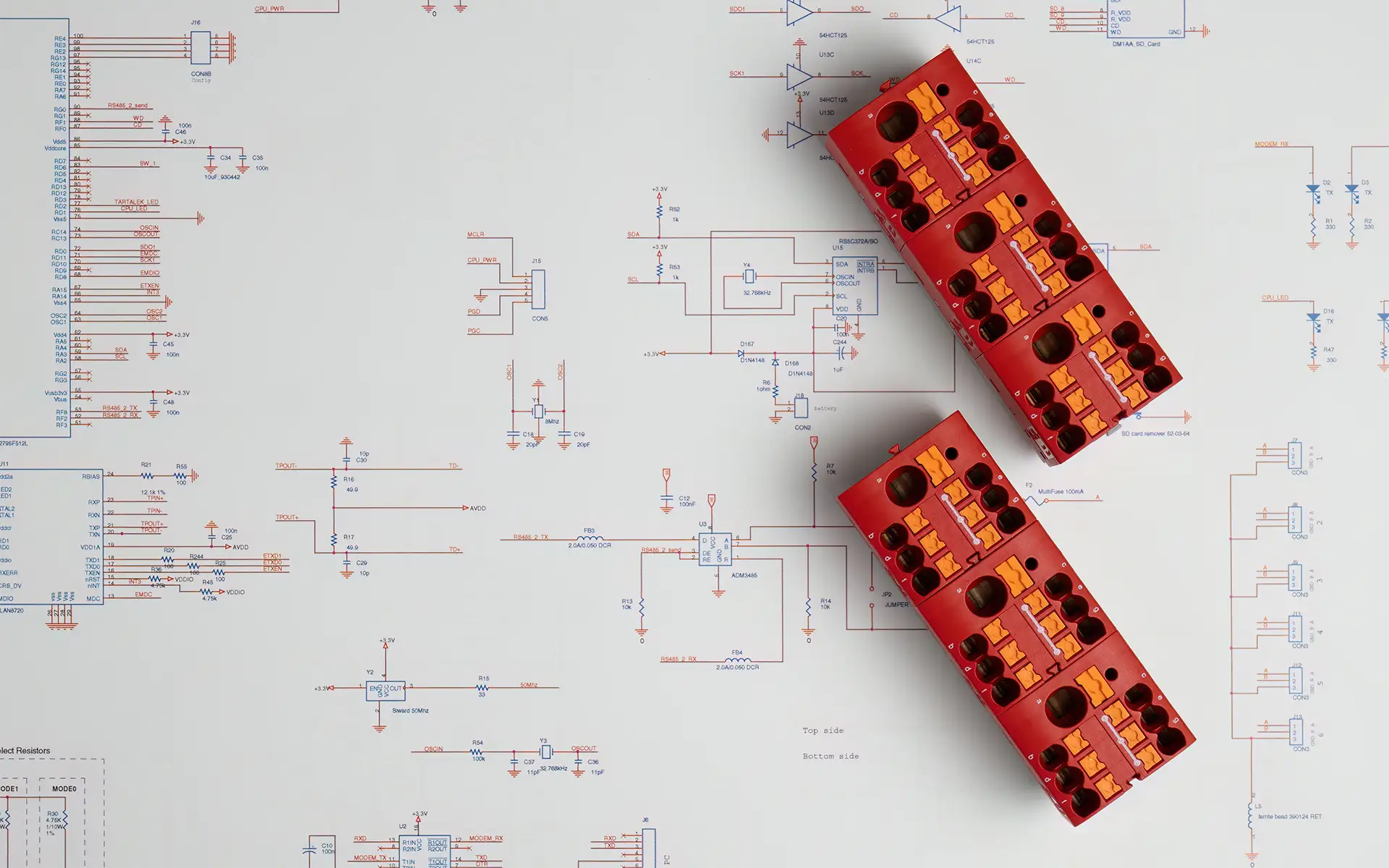
To meet U.S. military standards, military spec connectors undergo rigorous testing and certification to ensure reliable performance in mission-critical applications. The testing processes simulate the harsh conditions these connectors will face in the field, including extreme temperatures, mechanical stress, moisture, vibration, and corrosive environments.
MIL-STD Testing Requirements
Military connectors must meet a variety of MIL-STD protocols, including temperature cycling, salt fog, shock, vibration, humidity, acceleration, and mechanical stress.
Quality and Compliance Standards
Manufacturers must meet strict military and aerospace standards to ensure reliability and interchangeability, including:
- MIL-DTL defines materials, construction, and performance criteria for specific connector families.
- MIL-STD-810 are the test methods for determining the environmental effects on equipment.
- AS9100 is the aerospace quality management standard for connectors used in aircraft and spacecraft.
Applications of Military Connectors in Modern Defense Systems
Military-grade connectors offer unmatched performance under extreme environmental and operational conditions. Initially developed for the Department of Defense (DoD), their rugged construction and high reliability make them valuable across a broader range of defense-related applications, including defense contractors and government research agencies. These high-performance connectors are also commonly used in demanding industrial systems. The following are examples of real-world use cases across different military applications.
Aerospace & Avionics Systems
Military connectors are used in avionics and aerospace flight controls, navigation, and communication systems. They provide vibration-resistant, lightweight, and high-density connections that withstand temperature extremes and pressure changes at high altitudes. Applications include military and commercial aircraft, helicopters, and UAVs (unmanned aerial vehicles).
Ground Vehicles & Armored Platforms
Military spec connectors manage power distribution, sensor integration, and control electronics on tanks, armored personnel carriers, and other ground vehicles. Their construction is designed to resist shock, vibration, mud, dust, and extreme temperatures.
Naval and Marine Applications
The military connector types used in naval environments must withstand constant exposure to moisture, salt spray, and corrosive marine conditions. These connectors are integral to sonar systems, navigation electronics, communication lines, and weapons control. In applications requiring complete waterproofing or pressure integrity, such as underwater sensors, hermetically sealed connectors are used to prevent gas or moisture from entering.
Communication, Surveillance, and Electronic Warfare
Radars, drones, tactical networks, and electronic warfare systems that require data integrity and rapid transmission rely on high-density military connectors. The connectors' EMI/RFI shielding, environmental sealing, and secure mechanical coupling prevent interference and signal loss in electromagnetically noisy environments.
How to Select the Right Military Connector
The following provides a general framework for selecting appropriate military connector types.

Environmental and Operational Requirements
This includes temperature, exposure levels, and vibration profiles.
Electrical & Data Requirements
Determine the current load, signal integrity, and shielding needs of your application.
Size, Weight, and Mounting Constraints
For aircraft, UAV, or portable equipment applications, consider your application’s space limitations when selecting a military connector that still meets power, signal, and durability requirements.
Maintenance, Repair, and Field Serviceability
In environments where equipment must remain operational with minimal delay, consider military connector types that simplify inspection, cleaning, and replacement. Features that meet these requirements include quick-disconnect coupling mechanisms, modular cable assemblies, and front- or rear-release contacts.
Future Trends in Military Connector Technology
Some new and promising engineering developments in military connector technology can help address evolving requirements, such as higher data rates and advanced shielding.
Lightweight Composite Connectors
New connector designs increasingly use composite shells to reduce weight while preserving strength and environmental resistance. This will help airborne applications where weight savings benefit fuel/battery efficiency or payload capacity. For example, a composite-shell circular connector can deliver up to 40% weight reduction compared with aluminum equivalents while still meeting stringent durability and corrosion requirements.
High-Speed Data Connectors
The rise of digital avionics upgrades, drones, and data-heavy systems is driving demand for connectors that support high-speed data transmission. Military connectors are increasing bandwidth to support evolving modern defense communication.
Improved EMI Shielding and Hardened Systems
We’re seeing more military connectors engineered with built-in EMI/RFI shielding and integrated filtering, rather than relying solely on external cable shielding or system-level filters. As defense platforms incorporate more digital electronics, sensors, and high-speed communication systems, connectors with hardened shielding, embedded filtering components, and enhanced environmental resistance are critical to preventing interference. These next-generation connectors also enhance cyber and electromagnetic resilience, ensuring secure, uninterrupted data flow.
Military spec connectors must withstand extreme environments while supporting evolving, increasingly complex electronic architectures. Choosing the right connector is critical for ensuring reliability, interoperability, and long-term durability. However, in today’s environment, partnering with a trusted, compliant supplier is equally important.
Peerless Electronics has been meeting that standard since 1945. With decades of expertise serving the military, aerospace, and defense sectors, Peerless provides one of the industry’s most comprehensive selections of MIL-spec and hard-to-find components. As an AS9100D-certified and CMMC-compliant distributor, Peerless ensures that every component meets rigorous quality requirements while supporting secure supply chains.
Peerless also offers over 50 Value Added Services, such as custom kitting, connector assembly, testing, labeling, and other tailored services designed to streamline integration and reduce lead times. Whether supporting legacy platforms or next-generation defense technologies, Peerless Electronics offers the reliability, precision, and security essential for mission-critical applications.