



Relay selection involves more than simply matching coil voltage and contact rating to an application's requirements. Other considerations include the type of load being switched, mechanical durability, switching frequency, operating environment, and a host of other factors. A comprehensive understanding of all factors involved helps ensure the selected relay meets all the requirements for reliable and safe operation.
This guide examines key considerations for how to choose a relay for industrial and electronic applications, including non-operating factors such as relay cost and supplier reliability.
Key Takeaways
- Different types of relays for electrical applications
- How to choose a relay: 8 essential criteria
- Relay cost and supplier reliability considerations
- Summary and FAQs
Types of Relays
Relays are available in different configurations to meet different switching requirements. An understanding of the differences between common relay types is essential for selecting a solution that meets load characteristics, switching requirements, operating environment, and expected service life.
Electromechanical Relays (EMR)
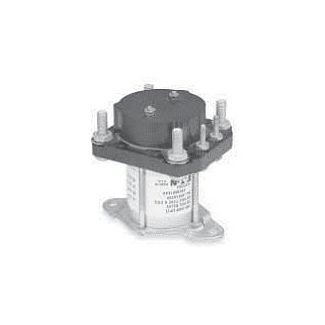
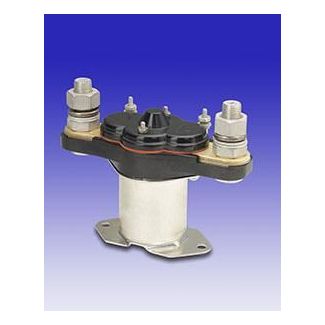
Well-suited for operating high-power circuits with low-power signals, electromechanical relays are widely used in industrial applications. They operate using an energized coil to generate a magnetic field that mechanically moves an armature. This action opens or closes electrical contacts that control a connected circuit. Their electrical isolation between the coil and contacts makes them suitable for a wide range of control applications, and their simple design makes them affordable, versatile, and reliable. For example, an EMR can allow a low voltage control signal from an industrial control system to switch power to a conveyor belt motor.
Some drawbacks to consider during relay selection are their larger and heavier design and slower switching power. They also require uninterrupted power to maintain coil activation and require regular maintenance due to mechanical wear over time.
Solid State Relays (SSR)
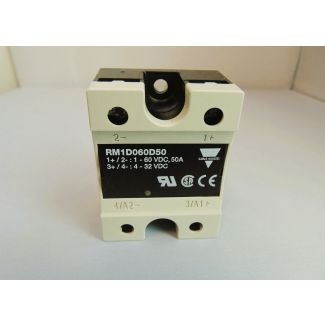
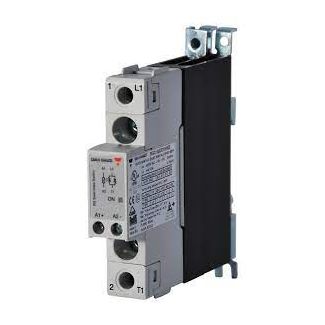
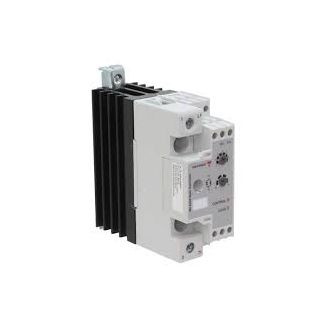
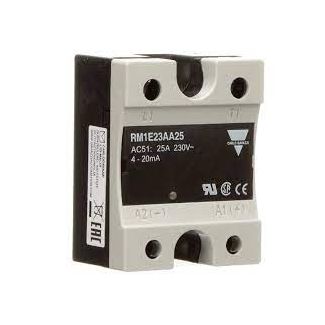
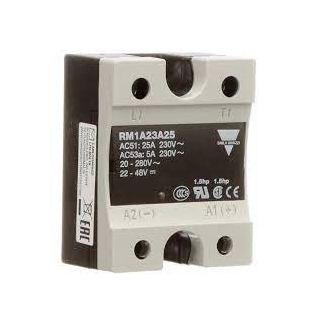
Solid state relays have no moving parts, which increases durability by eliminating mechanical contact wear. They use semiconductor components to switch electrical loads in response to a low-power control signal. SSRs are compact and can switch faster and more quietly than electromechanical relays, making them ideal for applications that require faster, more precise switching and quiet operation. Our Solid State Relay Guide explores these relays in more depth, including common applications.
Some limitations of SSRs include cost and limited current capacity. They also emit heat when switching large loads, which can require heat sinks or additional cooling systems.
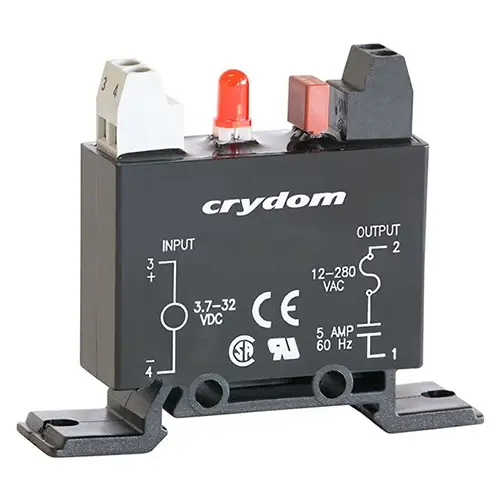
Reed Relays
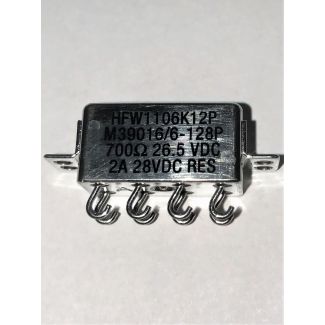
Reed relays are compact electromechanical switches that use a coil and hermetically sealed reed contacts for switching electrical signals. These relays consist of two overlapping ferromagnetic blades (the reed switch) sealed within a capsule containing an inert gas. When the coil generates a sufficient magnetic field, the reeds become magnetized and move toward one another, closing the circuit. Unlike conventional EMRs, reed relay contacts are significantly smaller and lighter, which is essential for compact designs and fast switching. For example, reed relays are instrumental in managing cockpit interior power in aerospace and defense applications.
Although these relays work well for low-level signal switching, their compact contacts typically limit the voltage, current, and power they can handle. They can also be more sensitive to mechanical shock, vibration, and external magnetic fields.
Thermal Relays
A thermal relay, or thermal overload relay, uses thermal sensing to monitor heat generated in a circuit. They use a heating element and a bimetallic strip consisting of two metals with different rates of thermal expansion. As current increases, the heating element generates more heat, causing the bimetal strip to bend and trigger the relay. Thermal relays are recognized for their ease of installation, as they can typically mount directly on contactors or DIN rails. This type of relay is commonly associated with overload protection and temperature-dependent control, rather than general-purpose switching. For example, in industrial applications, they are commonly used to protect motors against overload.
Thermal relays protect against sustained overcurrent conditions but do not provide short-circuit protection. Because they rely on thermal effects, they operate relatively slowly and are typically used alongside circuit breakers or fuses that provide faster short circuit protection.
8 Criteria for Relay Selection
Knowing how to choose a relay for electronics requires an understanding of the characteristics and operating principles of the different types. Engineers must also consider the application's electrical requirements, operating environment, and performance expectations. The following criteria can help ensure the selected relay provides reliable and safe operation.
1. Size and Mounting Style
Your relay selection must consider space constraints and the application's required mounting style. Does it require DIN rail mounting or PCB mounting? These two criteria will likely help narrow your selection from the start. When considering size, keep in mind that larger relays produce more heat, so smaller relays can help limit heat buildup in tight configurations.
2. Switching Speed and Frequency
Switching speed and frequency influence how to choose a relay that will perform as intended. How quickly a relay can open or close its contacts or switching device drives the switching speed. The frequency encompasses how often it can perform those operations within a given period.
For example, a solid state relay is usually a good choice for high switching demands, as it isn’t vulnerable to the wear and tear inherent in electromechanical relays. That’s why they are commonly used in applications with frequent or rapid switching, such as electrical control panels, HVAC systems, and automated industrial equipment.
3. Mechanical Durability
Both mechanical durability and electrical life will factor into your relay selection, as the number of operations a relay can handle isn't always the same under every load condition. If an application requires frequent switching or continuous operation, the mechanical life comes into play. This is the number of switching cycles the relay can complete under specified conditions before its mechanical components begin to wear. The electrical life is influenced by the load being switched. For example, with electromechanical relays, inductive and high-current loads can accelerate contact wear and reduce the expected electrical life.
Generally, SSRs are a good fit for high-frequency switching because they have no mechanical contacts or moving parts that can wear through repeated operation. When considering how to pick a relay for long-term reliability, evaluate the manufacturer's rated mechanical and electrical life, expected switching frequency, load characteristics, and operating conditions.
4. Surge Current Durability
The brief surge of current that occurs when certain loads are energized is called the inrush current, and it can exceed a load's normal operating current. Therefore, the relay's ability to withstand this type of brief overcurrent condition without damage is critical to ensuring both service life and reliability. During selection, compare the load’s expected inrush current against the relay’s specified inrush, surge, or maximum switching current rating.
It’s important to select a relay capable of safely handling the anticipated inrush current and to allow an appropriate safety margin to account for variations in operating conditions and load behavior.
5. Voltage Rating
A relay’s voltage rating must be appropriate for the voltage of the circuit it is controlling. Understanding how to choose a relay with appropriate voltage involves ensuring its contact voltage and current ratings meet or exceed the load circuit’s requirements. The contact voltage rating is the maximum voltage the contacts can safely switch, and it typically includes a corresponding current rating. Factors that affect these ratings include whether it's AC or DC and whether it's resistive, inductive, or another load type.
Also consider the coil voltage separately from the contact rating. The coil voltage specifies the minimum voltage required to energize the relay. Because the control and load circuits may operate at different voltages, these ratings do not need to be the same.
6. Operating Environment
Significant to how to choose a relay is its operating environment, which can affect its performance and reliability. Will the application’s environment subject the relay to extreme temperatures, humidity or moisture, vibration, shock, dust, corrosive substances, or other contaminants? Another consideration is the level of protection provided by the equipment's enclosure. During relay selection, compare the application's environmental conditions with the relay’s operating temperature range, humidity limits, vibration and shock ratings, and enclosure ratings.
7. Isolation Between Control and Load Circuits
Your relay’s ability to provide electrical isolation between the control and load circuits is important, especially when protecting sensitive control circuits. This ability allows a low-voltage control signal to switch a higher voltage or higher current load without directly connecting the two circuits. During relay selection, check the specified isolation or dielectric withstand rating and the required clearance and creepage distances. These specifications help determine if there is adequate electrical separation for the application's voltage and environmental requirements.
8. Number of Contacts
The number of contacts determines how many circuits the relay can control and how those circuits operate. Relays with multiple contact points can switch multiple circuits simultaneously or execute complex switching within a single component. Common contact configurations include normally open (NO), normally closed (NC), and changeover contacts. Generally, electromechanical relays offer a wider range of contact configurations than SSRs.

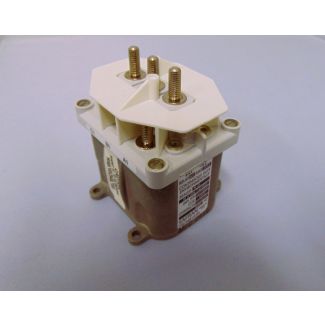


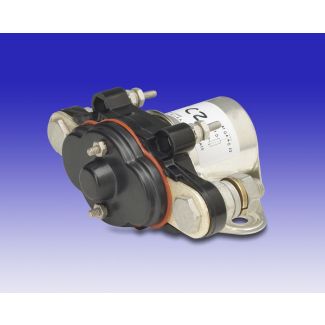


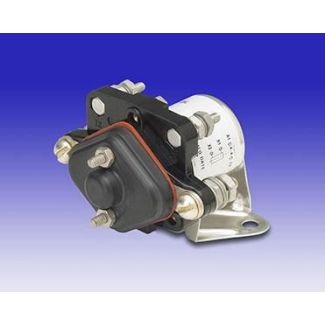
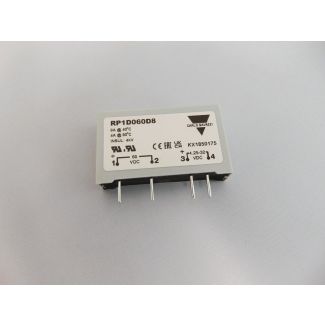
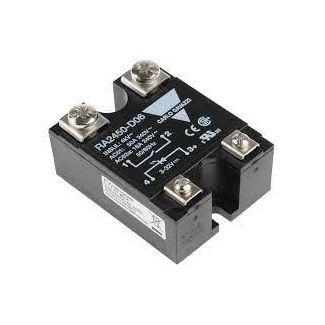
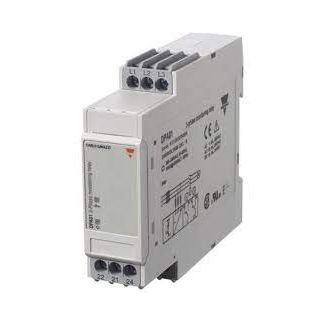
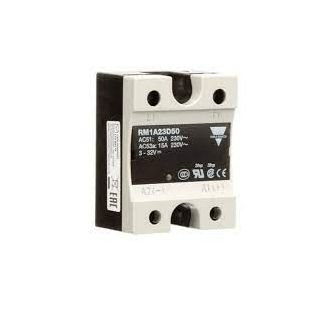
Relay Selection Quick-Reference Table
| Relay Selection Criteria | What to Consider |
| Size & Mounting Style | Available space, relay dimensions, mounting method, and compatibility with the equipment or control panel. |
| Switching Speed & Frequency | Required response time and how frequently the relay will switch. |
| Mechanical Durability | Expected number of switching cycles, mechanical life, electrical life, load characteristics, and potential contact wear. |
| Surge Current Durability | Expected inrush or surge current and the relay's ability to withstand it without contact damage or failure. |
| Voltage Rating | Load circuit voltage, AC or DC requirements, contact voltage rating, current rating, and separate coil voltage requirements. |
| Operating Environment | Operating temperature, humidity, moisture, vibration, shock, dust, corrosive substances, altitude, and thermal conditions. |
| Isolation Between Control & Load Circuits | Required electrical isolation, dielectric withstand rating, clearance, and creepage between the control and load circuits. |
| Number of Contacts | Number of circuits to be controlled and whether normally open (NO), normally closed (NC), or changeover contacts are required. |
Cost and Supplier Factors
Although cost considerations are important, component and system reliability is more important.
This is especially true with relays used in industrial applications where failure can lead to equipment downtime, production losses, or safety concerns.
When sourcing relay solutions, evaluate the manufacturer's reputation for quality and reliability. Also, verify that the relay's specs align with the application and operating environment. It's also important to consider the reliability of the distributor supplying the component. Availability, lead times, product traceability, authorized distribution, and technical support can all influence supply continuity and the total cost.
Picking the Right Relay for Your Application
An understanding of the different relay types and the criteria that inform your selections is critical to knowing how to choose a relay that will perform reliably and safely. However, once the right solution is determined, it’s equally important to source your components from a reliable distributor.
As a manufacturer-authorized electronics distributor, Peerless Electronics offers a broad selection of high-quality relays from leading manufacturers. We also pride ourselves on delivering sourcing expertise to help customers identify components that meet their application requirements. With quality certifications including AS9100D and ISO 9001:2015, Peerless is equipped to support demanding industrial, aerospace, and other critical applications.