



Precision is the foundation of electrical engineering, including in wire harness designs. In these applications, following design best practices is critical for reliability, compliance, and enduring performance. Alternatively, a poor harness design can lead to electrical failures, costly downtime, maintenance issues, and safety risks. Industries dependent on reliable harness designs include aerospace, industrial automation, automotive, and medical (in devices).
In today’s blog, we detail best practices for the best wiring harness design, providing a comprehensive resource to improve electrical routing design, quality, durability, and efficiency.
What Is Wire Harness Design?
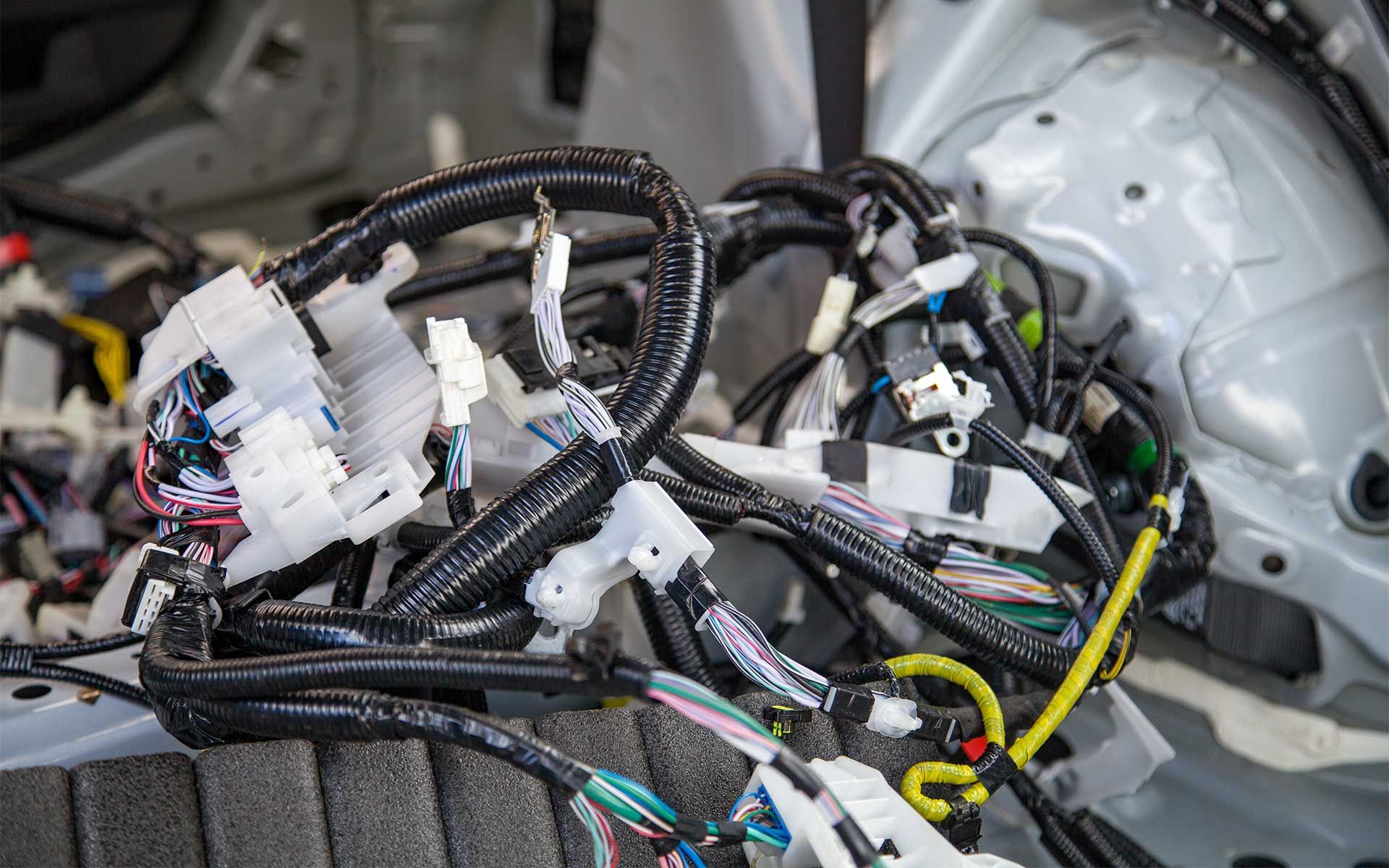
A wire harness consolidates multiple loose wires, connectors, terminals, and protective materials to create a single, organized, and integrated unit. It simplifies wire installation in complex electrical systems by reducing clutter while helping ensure consistent electrical performance. However, the harness design must consider the wire routing paths, operational environmental conditions, potential mechanical stress, and compliance requirements to support reliable performance.
Much like understanding cable vs wire differences in system design, a thorough grasp of wire harness design best practices is critical to long-term reliability.
The Importance of Best Practices
A wire harness is more than just a bundle of wires. It’s a thoughtful design grounded in wire harness engineering best practices. Adhering to proven standards improves durability, reduces the risk of electrical failures, lowers maintenance costs, simplifies installation, and supports regulatory compliance. When wires and connectors are correctly routed, secured, and terminated, the likelihood of shorts, signal loss, and other electrical faults is significantly reduced. Best practices in electrical harness design also improve long-term cost efficiency by minimizing rework, reducing service issues, and extending operability.
When the harness design is not optimum, electrical system reliability and safety are threatened. For example, incorrectly selecting non-rated insulation in high-temperature environments in your harness design can lead to premature wire breakdown and loss of signal integrity. Another example of a design failure? Inadequate shielding from electromagnetic interference (EMI) can cause erratic behavior in sensitive systems, such as in avionics.
Environmental Best Practices for Wire Harness Design
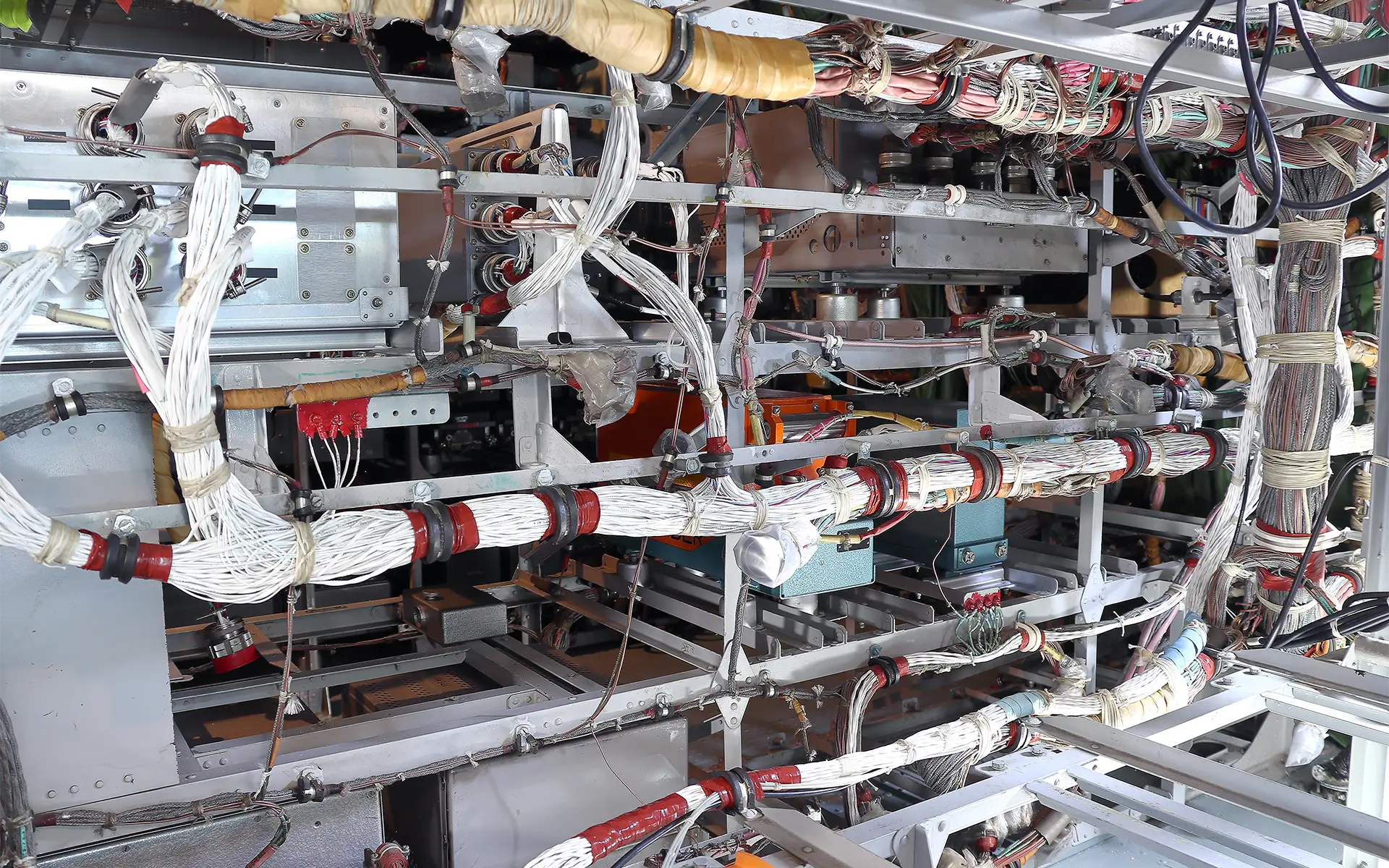
The design of a wire harness should always consider the operating environment. Exposure to temperature extremes, moisture, vibration, chemicals, dust, UV radiation, and abrasion can all degrade harness materials and compromise the harness’s electrical integrity if not properly addressed during design.
For optimal harness design performance, carefully select materials and protective components based on the application’s environment. Examples include using temperature-rated insulation, abrasion-resistant sleeves, chemical-resistant coatings, and UV-stable jacketing. Other examples include incorporating grommets and strain-relief features to help protect harnesses at entry points and high-stress areas or sealed connectors and enclosures to protect against water ingress.
Protecting Against Heat and Temperature Extremes
Exposure to extreme heat and cold can impact wires, connectors, and insulation materials. High temperatures may cause insulation to soften, deform, or degrade. Extremely low temperatures can make materials brittle and prone to cracking. Both conditions increase the risk of electrical failure and reduce system reliability, so the wire harness design should use materials with appropriate temperature ratings.
These electrical harness design materials include insulation, connectors, and protective coverings designed to withstand the application’s thermal conditions. Temperature exposure also affects routing. Avoid placing wire harnesses near direct heat sources such as engines, power supplies, or high-load components. When exposure cannot be avoided, use heat-resistant sleeves or shielding to provide additional protection and maintain consistent performance.
Moisture, Dust, and Chemical Resistance
If moisture, dust, and chemical exposure pose risks, the harness design should include appropriate protection against these elements. Moisture exposure can lead to corrosion, electrical shorts, and poor signal performance. If too much dust or debris accumulates at connection points, it can accelerate wear or lead to intermittent faults. Chemical exposure is also a risk, as it can weaken the harness over time and break down insulation.
Careful material selection during wire harness design will protect harnesses from these elements. Engineers can use sealed connectors, waterproof boots, and sealing compounds to prevent moisture intrusion. Protective jacketing and conduit in the wire harness design will help protect against dust and abrasion. If chemical exposure is a factor, incorporate corrosion-resistant materials and coatings to extend component life.
Vibration and Abrasion Protection
Aerospace, industrial automation, and automotive applications commonly experience vibration and movement that can cause abrasion and long-term wear on wires and connectors. Repeated contact with surfaces can cause insulation abrasion, potentially exposing conductors or causing electrical shorts.
Incorporating cable clamps and secure mounting points in wire harness design can limit this unwanted movement. To prevent tension from transferring to the terminal and connectors, the harness design can also incorporate strain-relief features at connection points. High-friction areas can benefit from abrasion-resistant sleeves. Finally, routing in the electrical harness design should avoid sharp edges, moving components, and pinch points that can accelerate wear.
Bend Radius and Flexibility Considerations
Bending wires beyond their recommended limits in wire harness design can stress internal conductors, leading to reduced conductivity or eventual breakage. Maintaining the minimum bend radius also helps prevent insulation cracking. As for flexibility, especially in applications where motion is expected, the wire harness design should provide sufficient slack to accommodate movement and prevent repeated stress at fixed points.
Reducing Electrical Interference Through Routing
In wiring and harness design, it's important to identify potential sources of electrical interference and route wires to minimize signal degradation. Routing strategies can include separating power and signal cables, as these high-current conductors can introduce noise into nearby low-voltage or data lines. Also, maintaining adequate spacing and crossing cables at right angles can help reduce interference.
Shielding may also be necessary for the overall protection of the wires, as the protective layers can block external noise and prevent signal disruption. Also, providing a controlled path for unwanted electrical noise to dissipate with grounding techniques can help further enhance performance.
Routing for Maintenance and Serviceability
Strategic wiring in harness design should accommodate accessibility, diagnostics, and future maintenance. Ensure wires and connectors are accessible and utilize standardized color coding and clear harness labeling for quick identification and circuit tracing. To further enhance serviceability, modular routing allows sections of the harness to be isolated and replaced without disrupting the entire system.
Choosing the Right Wire Gauge
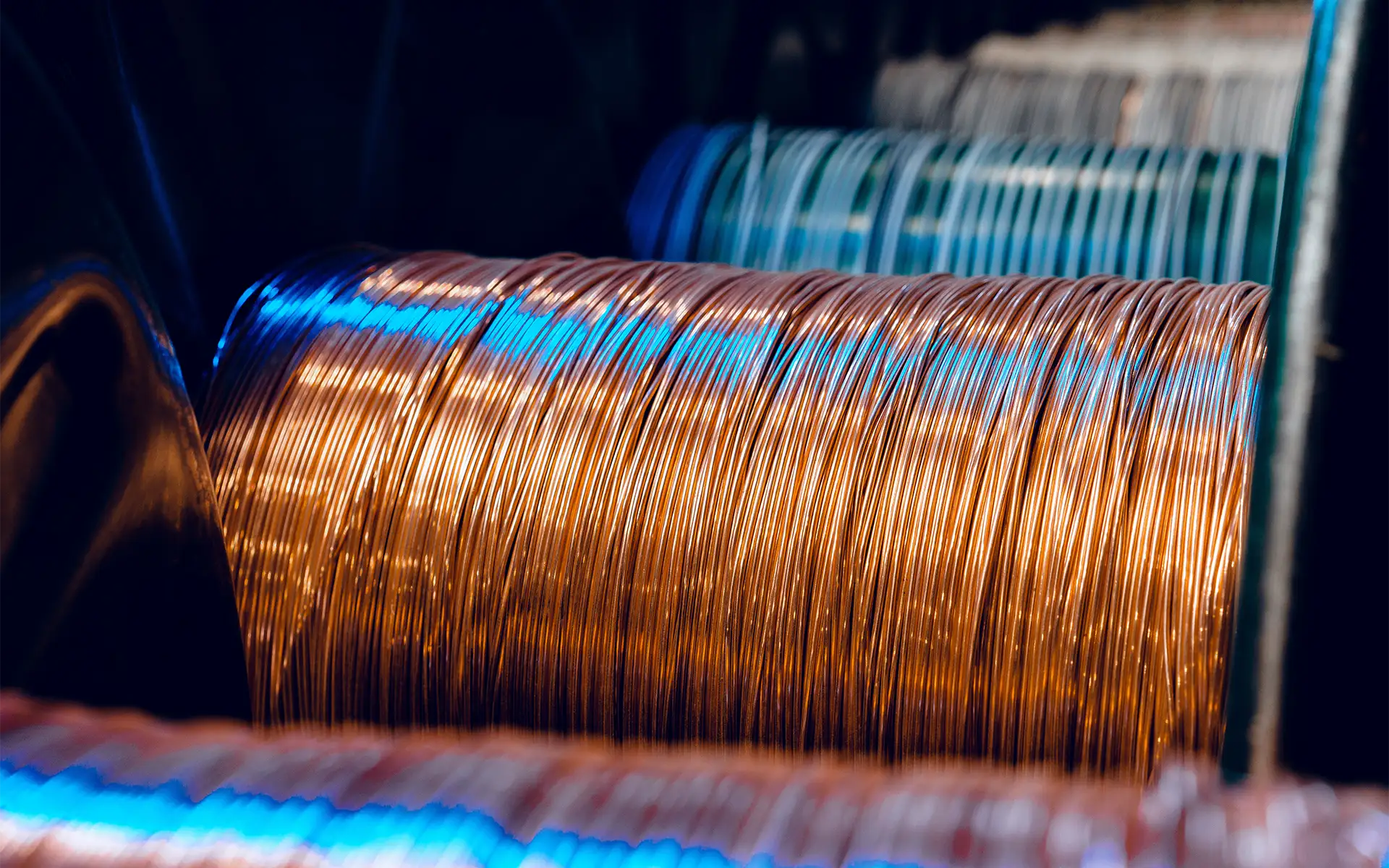
The appropriate wire gauge in your wiring harness design ensures consistent electrical performance, safety, and durability. Selection considerations should include the required voltage, current-carrying capacity, allowable resistance, and environmental conditions.
For example, higher current loads require thicker conductors to safely carry electrical current without excessive heat buildup. Selecting a wire gauge that’s too small for the application can cause overheating and increase the risk of failure or fire. Also, ensure the wire’s resistance over its length stays low enough to meet allowable limits for voltage drop, heat, and signal performance. Environmental factors such as temperature and airflow should also factor into optimal wire size selection in harness design.
Connector Compatibility and Reliability
Factors to consider in connector selection include the number of pins, mating cycles, current capacity, and compatibility with wire size and type. Termination techniques, such as soldering, crimping, or insulation displacement, should align with the wire and connector types and meet performance standards. Also, high-performance locking systems such as latches, clips, or threaded couplings will prevent accidental disengagement, especially in high-vibration environments.
Engineers must also account for environmental sealing requirements in harness design by selecting connectors with appropriate ingress protection to guard against moisture, dust, and contaminants.
Documentation and Revision Control Best Practices
Structured electrical wiring harness design documentation minimizes human error and standardizes assembly processes for easier maintenance and consistent performance. Documentation should include wiring schematics, bills of materials (BOMs) specifying approved components and suppliers, and detailed assembly drawings outlining the final configuration. Also, clear assembly instructions will help reduce variability during production. If there are any design changes, tracking them through version control systems ensures that only the most current specifications are used.
ERP integration, when available, can help support efficient material planning, inventory control, supplier consistency, and traceability.
Electrical Testing and Validation
Electrical testing helps reduce the risk of wiring and harness design failures, improves quality assurance, and ensures the harness meets required performance and safety standards. There are three tests: continuity, insulation resistance, and dielectric.
- Continuity Testing: Helps identify miswiring or opens by checking that all circuits are complete and correctly connected.
- Insulation Resistance Testing: Detects any unintended leakage by measuring the resistance between conductors and ground.
- Dielectric Testing: Also referred to as high-potential or hipot testing, confirms that insulation can withstand electrical stress by applying a higher-than-normal voltage.
Environmental and Mechanical Testing
Environmental and mechanical testing ensure the harness design will maintain electrical performance and structural integrity in harsh environments. Mechanical stress testing assesses durability under tension, flexing, and strain. Environmental testing assesses how the harness withstands vibration, thermal cycling, and exposure to humidity.
- Vibration Testing: Ensures secure connections and conductor stability by simulating movement and mechanical stress.
- Thermal Cycling Testing: Tests material expansion, contraction, or insulation degradation by exposing the harness to repeated temperature changes.
- Humidity Exposure Testing: Evaluates the wire harness design’s resistance to moisture ingress and corrosion.
Compliance and Industry Standards Best Practices
Electrical wire harness design should follow industry best practices to support safety, reliability, and traceability.
Adhering to industry and compliance best practices helps ensure that wire harness and custom cable assembly solutions support the overall performance of the applications and systems they support.
Please know, the Peerless Electronics Value-Added Assembly System is certified to AS9100D and ISO9001:2015. We can review your requirements and assist in your design for utmost efficiency in your application.
Common Wire Harness Design Mistakes to Avoid
There are a few common engineering and manufacturing mistakes that negatively impact harness reliability and performance. These include poor wire routing, incorrect wire sizing, inadequate strain relief, weak shielding, insufficient testing, poor documentation, and environmental oversights.
Even the best wiring harness design can fail without quality components and precise assembly to ensure long-term performance. Peerless Electronics provides the components, custom solutions, and technical support needed to bridge the gap between design and successful deployment. With expertise in demanding industries such as aerospace and industrial electronics, we can help ensure your wire harness solutions are built for reliability from the ground up.
FAQ
What are the main components of a wire harness?
Electrical wire harness design includes conductors (wires or cables), connectors and terminals for electrical interfacing, insulation for electrical isolation, and protective elements such as sleeves, clips, and grommets for routing and mechanical protection.
What is the purpose of wire routing in wire harness design?
Effective and thoughtful wire routing organizes and directs wires to minimize electrical interference, mechanical stress, and installation complexity.
How do you reduce EMI in a wire harness?
You can reduce interference by separating power and signal lines, using shielding and proper grounding, and avoiding routing near interference sources.
What is continuity testing in wire harness manufacturing?
Continuity testing in wire harness engineering verifies that all electrical paths are complete and correctly connected by identifying miswires or opens.
What environmental factors affect wire harness performance?
Temperature extremes, moisture, vibration, chemicals, dust, UV exposure, and abrasion can all affect harness performance.
What are the benefits of custom wire harness design?
Custom wire harness designs, such as Peerless Electronics’ solutions, offer greater reliability, improved fit, reduced installation time, and better performance for specific applications.
How do wire harnesses improve electrical system reliability?
Effective harness design helps organize wiring, reduce loose connections, protect conductors, and minimize the risk of shorts and system failures.
What is shielding in wire harness design?
Wire harness shielding provides a protective layer around wires, reducing electromagnetic interference and protecting signal integrity.
What are the most common causes of wire harness failure?
Harness failure is commonly linked to poor routing, mechanical stress, vibration, insulation damage, moisture ingress, and connector issues.
How does wire harness design affect manufacturability and maintenance?
A successful wire harness design simplifies assembly, reduces errors, improves consistency, and makes maintenance and repairs easier.