




Internet of Things (IoT) smart sensors combine sensing and processing to create real-time digital data that can be transmitted and acted upon. As a core part of smart sensor technology, they power applications across smart homes, industrial operations, and healthcare. This guide explains how Internet of Things smart sensors work, their benefits, and where they’re used.
What Are IoT Smart Sensors?
Smart sensor technology is foundational to connected environments. Smart sensors are designed to be network-connected with other devices, systems, or cloud platforms for monitoring and analysis. IoT smart sensors measure physical conditions such as temperature, pressure, motion, and humidity and share that data with other systems for real-time monitoring, analysis, and decision-making.
This functionality is what distinguishes IoT sensors from traditional sensors. Where traditional sensors operate as isolated measurement components, smart sensors enable real-time visibility, integration, and communication with broader systems. For example, smart sensor technology integrated with inventory management systems in a warehouse environment can enable real-time communication between inventory systems and physical bins or shelves, providing visibility into stocking levels to help mitigate stockouts and overstocks.
This connectivity and intelligence are what make smart sensors essential to modern industrial automation, smart infrastructure, and digital monitoring systems.
How Do IoT Smart Sensors Work?
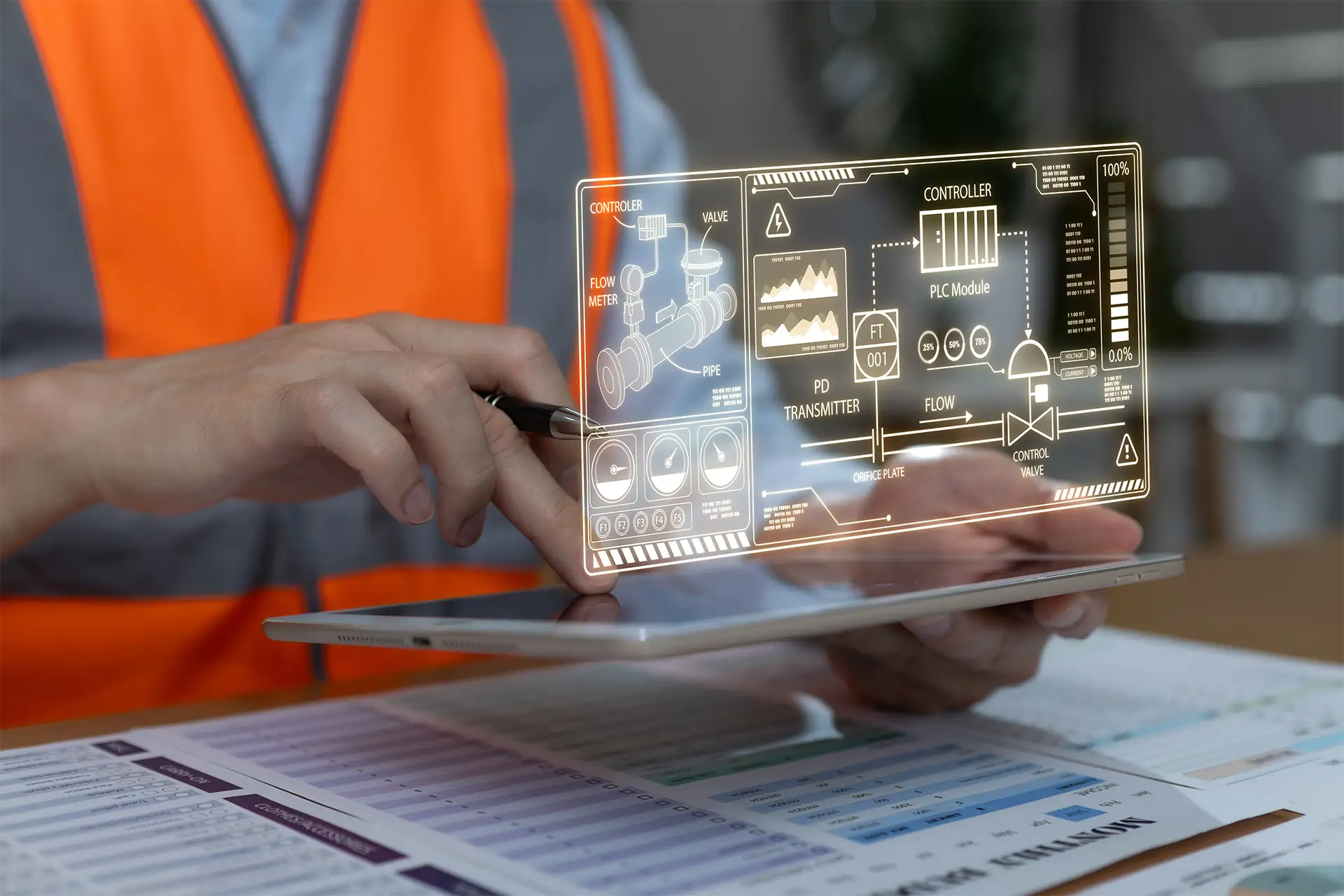
Smart sensors combine signal processing and conditioning to achieve real-time monitoring and faster decision-making. They follow a simple, structured process to capture, process, and share actionable data with other devices or machines in a connected system. The working principle of IoT smart sensors involves a process that includes detection, processing, conversion, and communication.
Detection
Smart sensor technology detects a physical condition, such as temperature, pressure, motion, or humidity, using a sensing element that responds to environmental changes.
Signal Processing
Because detected signals can be weak or noisy, IoT smart sensors apply filtering and amplification to improve accuracy and reduce interference, making the data more stable and usable.
Data Conversion
Since most signals are analog, the sensor converts them to digital form using analog-to-digital conversion, making the data compatible with digital systems.
Data Processing
Smart sensor technology processes this digital data at the device level, performing functions such as calibration, scaling, filtering, and threshold detection to generate actionable data. The onboard processing is distinct from traditional sensors, which typically output raw signals.
Communication
This processed data is then transmitted to other devices in the connected system, such as edge devices, controllers, or cloud platforms.
Key Components
Working together, the core smart sensor components combine basic sensing capabilities with intelligent data handling to communicate with other devices. They become IoT sensors when they utilize direct or indirect internet connectivity to function. The following key components of IoT sensor architecture distinguish them from traditional sensing mechanisms.
- Sensing Capability: Basic sensing capabilities detect inputs such as temperature, light, pressure, humidity, and motion.
- Onboard Processing: The sensor uses embedded microcontrollers or chips to analyze and process data, including changing it from analog to digital.
- Communication Modules: A wired or wireless interface (e.g., WiFi, Bluetooth, Ethernet, LoRaWAN, etc.) connects the sensor to the rest of the system, transmitting data to other devices for monitoring, control, or automated response.
- Power Source: Supplies energy to the sensor and its components. Depending on deployment needs, this can include batteries, wired power, or energy harvesting methods.


Types of IoT Smart Sensors
Smart sensors are widely used across commercial and industrial applications to improve operational efficiency. Different industries rely on different types of IoT smart sensors, from manufacturing and healthcare to smart buildings and logistics. Depending on what needs to be measured and how that data is used, selecting the right sensing technology ensures accurate monitoring and effective system response.
Below are common IoT sensor types and common use cases in real-world applications:
Level Sensors
Measure the amount of material in a container, such as liquid or bulk solids. Commonly used in fuel tanks to track fuel levels in vehicles or storage systems.
Gas Sensors
Many processes increasingly involve the use and manufacture of highly dangerous substances, particularly toxic and combustible gases.
Temperature Sensors
Monitor heat levels in equipment or environments. Widely used in industrial systems to prevent overheating and maintain safe operating conditions.
Pressure Sensors
Track the pressure of gases or liquids in pipelines or systems. A sudden change in pressure can signal leaks, blockages, or system inefficiencies.
Infrared Sensors
Detects heat or infrared radiation without direct contact. Used in thermal imaging, medical devices, and remote control systems.
Proximity Sensors
Detect the presence or position of nearby objects. Often used in retail and automation systems to track movement or trigger actions.
Smart Motion Sensors
Identify movement within a defined area. Common in security systems, lighting controls, and occupancy detection.
Flow Sensors
Measure the movement of liquids or gases. Used in water systems to detect leaks and monitor usage.
Common Categories
Most industrial and other real-world applications don’t rely on one sensor type. Instead, IoT smart sensors can be grouped into broader categories based on what they measure and how they are used within connected systems. These categories highlight how smart sensing technologies work within larger connected ecosystems, from buildings and factories to transportation and infrastructure, to improve automation, efficiency, and real-time decision-making.
Environmental Sensors
These sensors monitor environmental conditions such as temperature, humidity, and air quality. They are commonly used in HVAC systems and smart thermostats to maintain comfort, efficiency, and safety in buildings.
Motion and Proximity Sensors
Motion sensors detect movement within a space, and proximity sensors measure the presence or distance of nearby objects. These sensors, when working together, are widely used for security, lighting automation, and occupancy tracking in smart buildings.
Pressure Sensors
Pressure sensors monitor the force of liquids or gases within a system. In industrial environments, they are used to detect leaks, regulate flow, and ensure equipment operates safely and efficiently.
Temperature Sensors
Temperature sensors provide continuous monitoring of heat levels in equipment and environments. They are critical in applications like manufacturing processes and equipment protection.
Applications of Smart Sensors
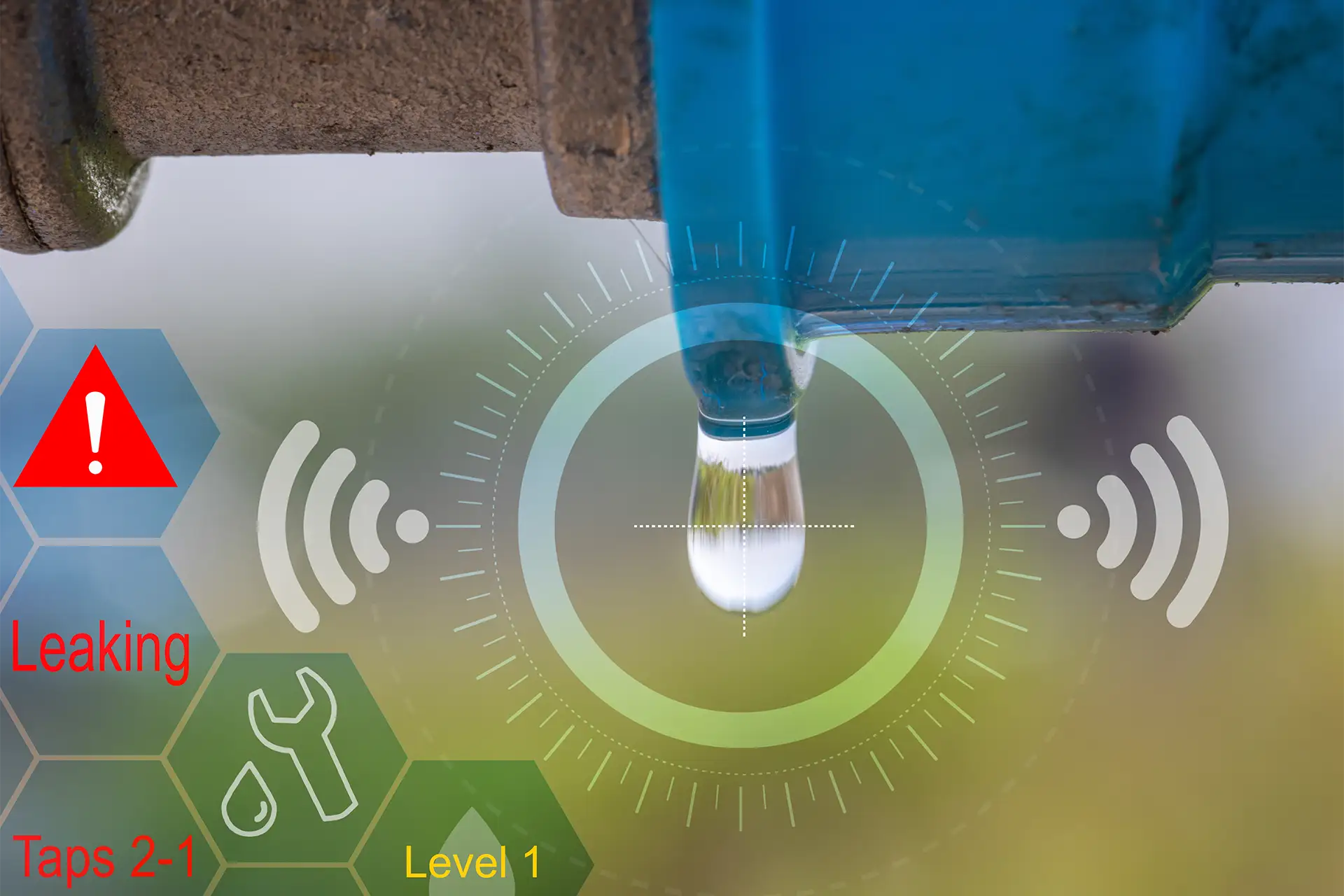
Applications of smart sensors are emerging across countless industries to enable automation, improve efficiency, and enhance safety. Their ability to continuously monitor conditions and communicate insights makes them essential to modern connected systems. For example, IoT smart sensors in aerospace avionics systems help aircraft detect potential issues early, optimizing performance and enhancing safety. Other instances of smart sensor integration include smart homes and cities, industrial IoT, and healthcare.
In homes, we find smart sensor technology in thermostats, lighting systems, and security devices to help automate daily functions such as temperature control, motion-activated lighting, and intrusion detection. In smart urban infrastructures, IoT sensors help cities improve traffic flow, optimize waste collection, monitor air quality, and maintain critical infrastructure more efficiently by enabling real-time data collection and system-level visibility.
In industrial settings, smart sensors monitor equipment health, pressure levels, vibration, and system performance. Their actionable data supports predictive maintenance, reduces unexpected downtime, and improves overall operational efficiency in manufacturing and production environments.
The healthcare industry uses IoT-enabled sensors in wearable devices and medical equipment to monitor vital signs such as heart rate, temperature, and oxygen levels. These smart sensors are instrumental for improving patient care and response times by enabling remote patient monitoring and early detection.
Benefits of IoT Smart Sensor Technology
Smart sensor technology has become essential to connecting systems and improving efficiencies, thanks especially to real-time monitoring. This advantage allows businesses and users to continuously track conditions such as temperature, motion, or pressure and respond quickly to changes.
Advancing industries and operations through automation is another essential benefit. IoT sensors can trigger actions automatically based on predefined conditions. This application of smart data helps reduce the need for manual intervention while improving operational speed and consistency.
Smart sensors also improve energy efficiency by continuously monitoring environmental conditions such as temperature, humidity, and moisture. This real-time data enables systems to detect operational needs and adjust performance accordingly. By activating systems only when required, smart sensors help reduce unnecessary energy consumption in applications such as lighting, HVAC systems, and industrial equipment.
Perhaps one of the core advantages of IoT smart sensors is their ability to drive faster, more informed decision-making. The collection and transmission of accurate real-time data provides greater visibility into operations, supporting quicker, more confident decisions.
Challenges and Limitations of IoT Smart Sensors
For all the advantages, there are some disadvantages to integrating smart sensor technology. Although engineers and manufacturers are continuously working to solve these challenges, some limitations remain when deploying at scale.
A primary IoT sensor challenge is security risk. Due to network connections, sensors are vulnerable to unauthorized access, data breaches, or cyberattacks without proper safeguards. Cost is another consideration. Although advances in technology have helped reduce costs over the years, IoT sensors can still cost more than traditional sensors. Also, beyond the sensors themselves, organizations often need to invest in supporting infrastructure, connectivity, and integration with existing systems.
Smart sensors also require periodic calibration, firmware updates, or replacement over time to maintain accuracy and performance, requiring continual investment. In industrial environments, environmental stress can further impact lifespan. Also, smart sensors in remote or difficult-to-access settings can be difficult and costly to reach.
Finally, integration complexity is a common limitation. Connecting IoT sensors with legacy systems, multiple platforms, or different communication protocols can be technically challenging and may require specialized expertise.
IoT Smart Sensors vs Traditional Sensors
The primary difference between IoT smart sensors and traditional sensors lies in how they process and communicate data. Traditional sensors detect physical conditions and output raw signals that typically require external processing, such as amplification, filtering, and analog-to-digital conversion, before they can be used.
Smart sensors, however, include embedded processing capabilities that allow them to perform these functions at the device level. This enables them to generate and transmit structured, usable data, reducing reliance on external systems and supporting real-time automation and decision-making.
Although these differences favor the smart sensor, there are times when traditional sensors are a better fit. Their simpler design typically results in lower unit costs, making them suitable for cost-sensitive deployments. They also provide engineers with full control over signal processing, which may be necessary in highly specialized or custom system designs.
Conclusion
Peerless Electronics supplies traditional and advanced electronic sensors from manufacturers such as TE Connectivity and Honeywell, including models with integrated signal conditioning, digital outputs, and wireless connectivity, supporting smart sensing and IoT applications. Smart sensor technology is transforming how systems collect, process, and act on data, enabling greater visibility, automation, and efficiency across industries. When evaluating sensor technologies, understanding the differences between traditional and smart sensors is key to selecting the right solution to meet performance, cost, and integration needs.
Peerless Electronics supplies both traditional and advanced electronic sensors from leading manufacturers such as TE Connectivity and Honeywell. With options that include integrated signal conditioning, digital outputs, and wireless connectivity, Peerless supports a wide range of smart sensing and IoT applications.