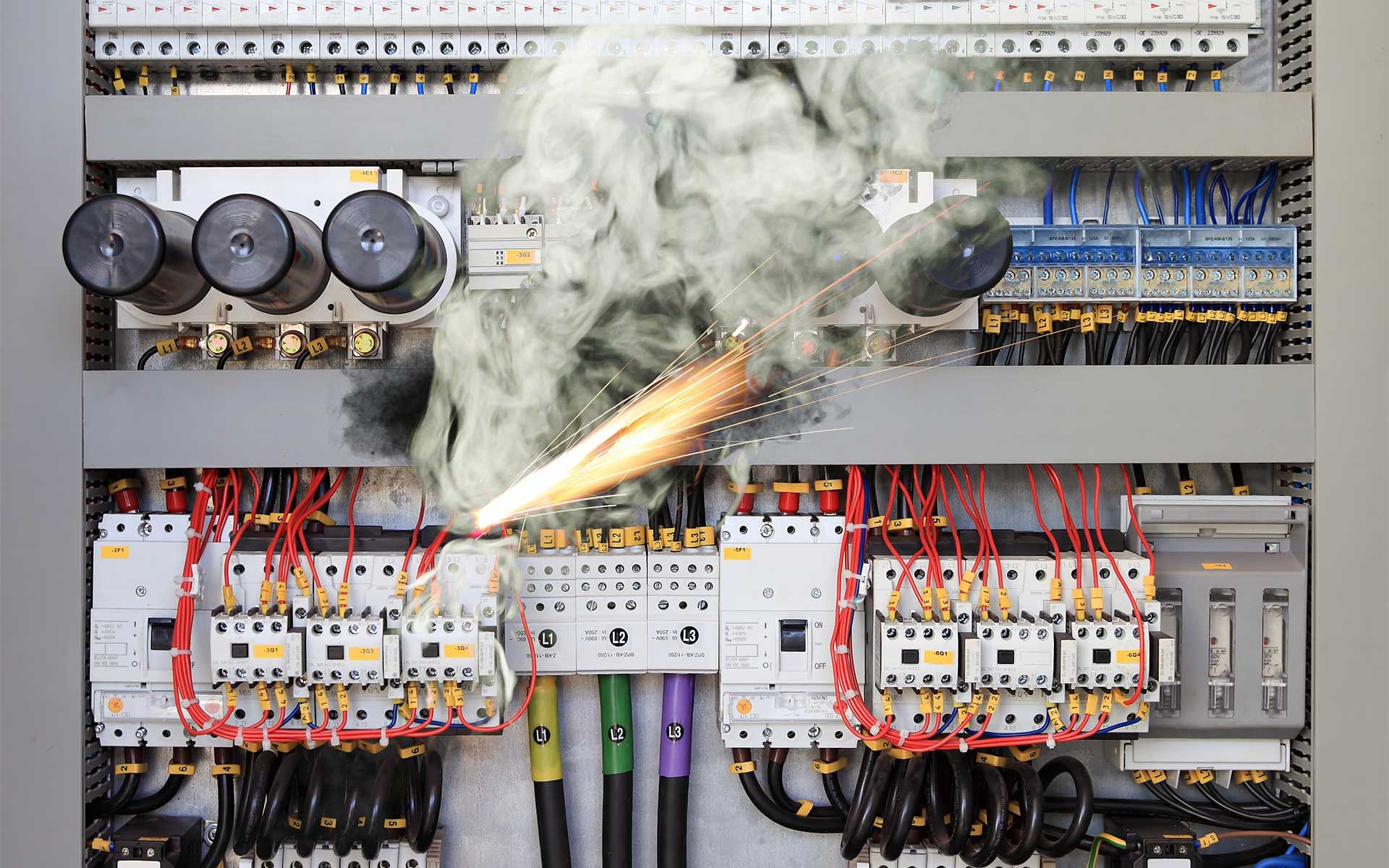






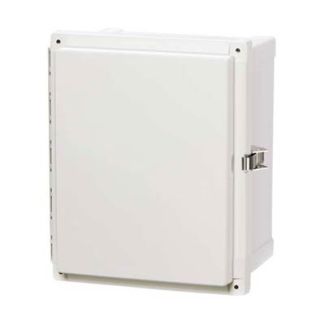
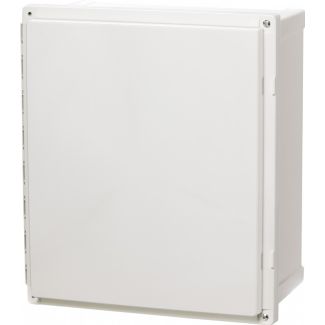

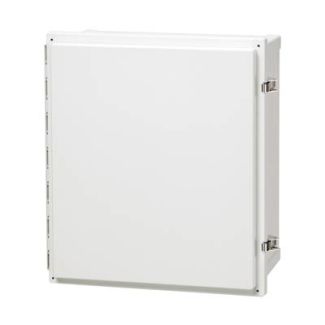




Electrical enclosures protect sensitive electrical components in harsh industrial environments, keeping them safe from dust, moisture, and other damaging debris or hazardous exposure. These enclosures are specifically designed and rated to meet NEMA and IP standards for environmental protection, safety, and reliable performance.
What Are Electrical Enclosures?
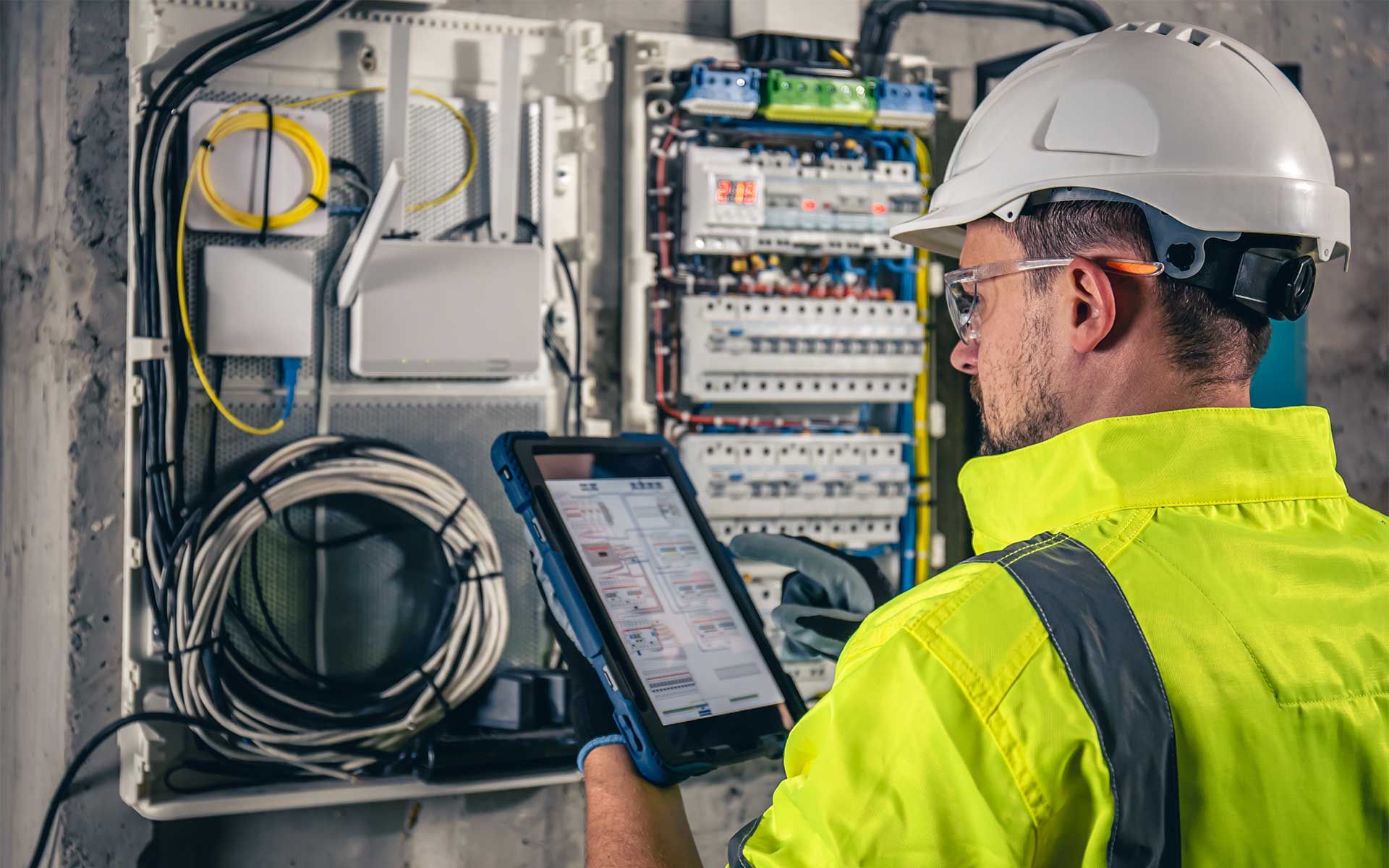
In extreme operating environments where sensitive electrical components are at risk, electrical enclosures keep them protected and secure. They are specially engineered boxes designed to securely mount and organize connections and components while protecting the sensitive equipment within from dust, moisture, impacts, and other environmental factors. These protective housings also prevent individuals from coming into accidental contact with current-carrying electrical equipment. Electrical control enclosures are used just about everywhere, from consumer electronics and residential applications to industrial control panels and telecommunications networks.
Types of Electrical Enclosures
Electrical enclosures come in varying sizes, construction materials, mounting styles, and levels of protection. The enclosure type and design will depend on the application’s mounting and operating environment and how much protection is necessary to keep the components safe. The following are just a few common enclosure types used in industrial electrical applications.
Junction Boxes
A junction box is a compact enclosure that protects one or more wiring connections from environmental exposure, damage, or accidental contact. Different types include surface-mounted junction boxes, service boxes, switch boxes, and cutout boxes, which commonly feature pre-punched knockouts for easier cable entry. Junction boxes are smaller in size and house connections that typically come from a main power panel, distributing them to other electrical enclosures.
Control Panel Enclosures
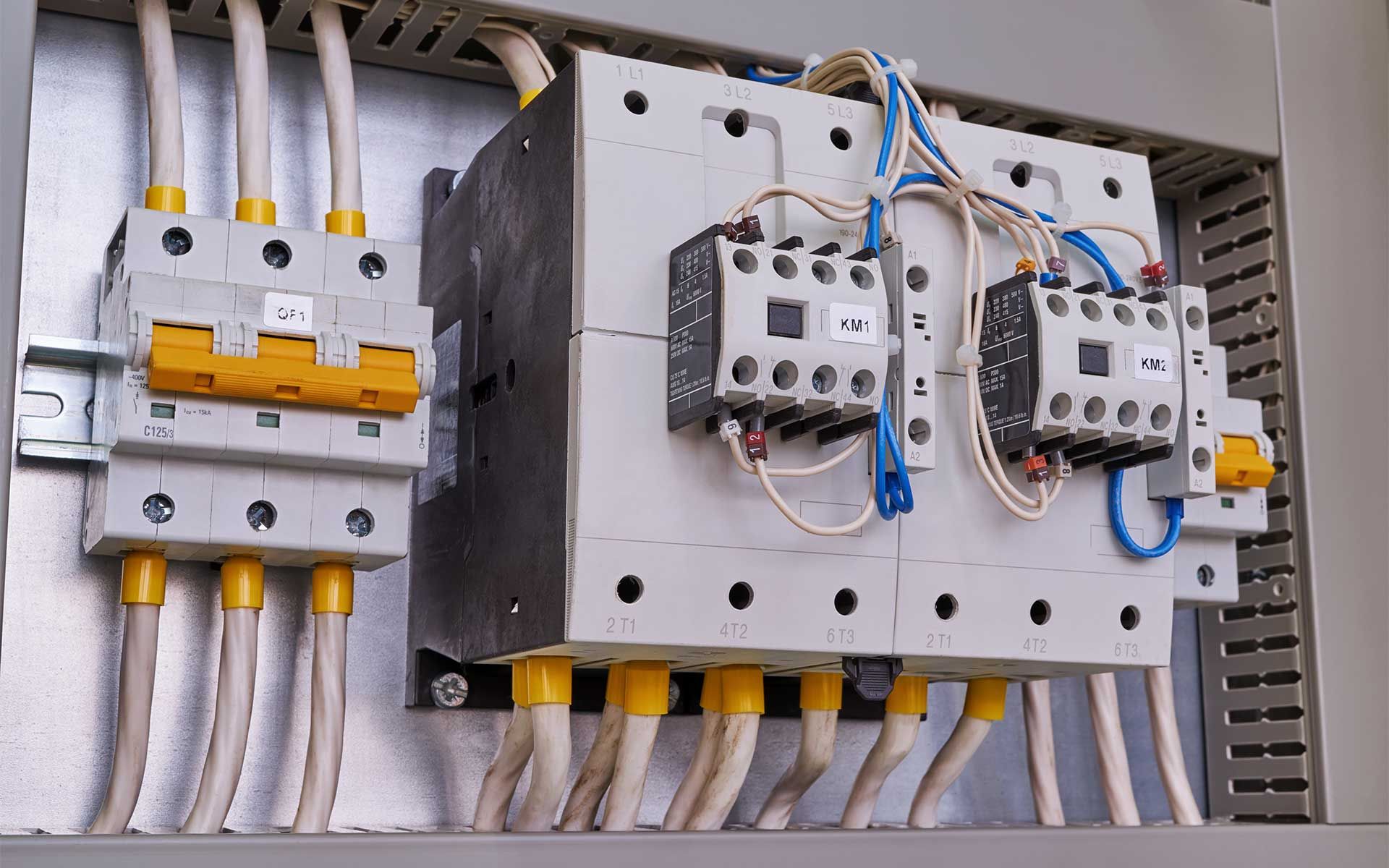
The fortified, protective housings safeguard the sensitive components and connections in control panels, as well as keeping electrical routes organized and manageable. These electrical control enclosures are essential in industrial, harsh, or outdoor environments where dust, debris, moisture, extreme temperatures, corrosion, and accidental contact are a threat.
DIN Rail Enclosures
These modular electrical enclosures hold and shield electrical components on a DIN rail mounting system, featuring built-in clips that snap directly onto the rails. They keep electrical devices neatly organized and protected from environmental hazards in industrial and automation settings.
Weatherproof & Outdoor Enclosures
An outdoor and weatherproof electrical equipment enclosure is engineered to protect sensitive components from rain, dust, UV exposure, and harsh environmental conditions. Their rugged construction meets and exceeds various NEMA and IP requirements, making them ideal for outdoor applications.
Modular Enclosures
Modular electrical enclosures feature configurable, interchangeable components that enable engineers to customize enclosures for different applications, sizes, and configurations. Instead of being a fixed single housing, a modular enclosure system typically uses standardized parts such as panels, covers, frames, rails, mounting plates, and accessories that can be assembled or modified as needed.
Wall-Mount Enclosures
Wall-mount electrical enclosures are basic housings suitable for small, low-power applications. These general-purpose enclosures are easy to install and can be mounted directly on walls, machinery, or other pieces of equipment to house and protect electrical components while saving floor space.
Electrical Enclosure Standards
Electrical equipment enclosure standards are instrumental for determining where and how they can be used. These standards define the level of protection offered against environmental conditions such as dust, moisture, and incidental contact. More than one organization defines these standards, and most rating systems evaluate two primary factors: protection from solid particles and protection from liquids.
The organizations that primarily guide enclosure ratings in the U.S. are NEMA, IP, and UL. The National Electrical Manufacturers Association (NEMA) is widely recognized in the U.S. with ratings designated by numbers, sometimes followed by letters. For example, NEMA 1 electrical enclosures are intended for indoor use and protect against accidental contact with energized components. However, they do not provide protection against water or dust. NEMA 4-rated enclosures, on the other hand, are designed for outdoor use and protect against water exposure, such as rain and splashing.
IP ratings, established by the International Electrotechnical Commission, provide a globally recognized system for measuring ingress protection. These ratings consist of two digits following the letters IP. The first digit indicates protection against solid particles and the second resistance to moisture. Higher numbers correspond to increased protection, with higher rated enclosures capable of preventing dust ingress and withstanding water exposure, including temporary immersion.
UL, or Underwriters Laboratories, provides independent safety testing and certification. UL standards for enclosures, including UL 50 and UL 50E, closely align with NEMA requirements but include third-party verification. This certification confirms that enclosures meet established safety standards prior to deployment in the field.
Common Applications
In industrial environments, electrical enclosures are essential for protecting, organizing, and providing access to electrical and electronic components that control equipment, distribute power, and support automation systems. They protect sensitive devices from the harsh conditions of these operating environments while extending their service life. The applications are countless, but some of the most common that incorporate electrical enclosures include:
- Industrial Control Systems
- Machine Automation
- Equipment Controls
- Power Distribution and Electrical Protection
- Junction and Wiring Connections
- Sensor Systems
- Motor Control Systems
- Communication and Networking Equipment
- Test and Measuring Equipment
- Outdoor/Harsh Environment Applications
- Safety and Monitoring Systems
How to Choose the Right Electrical Enclosure
When selecting the right electrical enclosure for your application, consider the operating environment, space requirements, security, and future modifications. To ensure the enclosure provides safe, efficient, and reliable service, consider the following criteria:
Type
The enclosure type selection will be guided by the application’s requirements, installation environment, and the components to be protected. This includes where the enclosure will be installed, what equipment it will house, how it will be accessed, and how it will be mounted.
Size
The electrical enclosure size depends on the components and devices it will house, including wire duct, terminal blocks, and space for routing wires. Also, remember to allow space for subpanel mounting holes, cable entry, protrusions for externally mounted items, and any future additions.
Construction Material
When considering the electrical enclosure material selection, consider the following:
- Environmental exposure: water, dust, chemicals, UV exposure, or corrosive substances
- Mechanical requirements: high impact resistance or protection from vibration
- Temperature management: heat dissipation or extreme temperature protection
- Electrical requirements: EMI shielding or electrical insulation necessary
- Installation conditions: weight, portability, or ease of modification
Protection Ratings & Standards
The enclosure ratings and classifications are critical to the selection process. The enclosure’s NEMA classifications and UL ratings help determine how well it protects electrical components from environmental hazards, such as dust, water, and moisture, as well as risk of injury to individuals working around any enclosure type.
Security Requirements
The electrical enclosures’ applications, installation locations, and the sensitivity of the components inside will determine what level of security is needed. For general applications, basic protection against accidental access may be enough. However, some may require measures to prevent access from unauthorized personnel. Enclosure security ranges from simple screw covers, lift-off covers, and clamped doors for low-risk applications to locking mechanisms and keyed access systems for restricted access.
Accessories
Accessory selection for installation and operational efficiency depends on the electrical enclosure installation location, environment, and service function.